
Operating room stress leadership linked to calmer surgical teams
Leiden researchers found surgeons’ behavior under pressure can shape stress across operating-room teams before, during and after surgery.
By Priya Raghavan · Science Reporter
3 min read
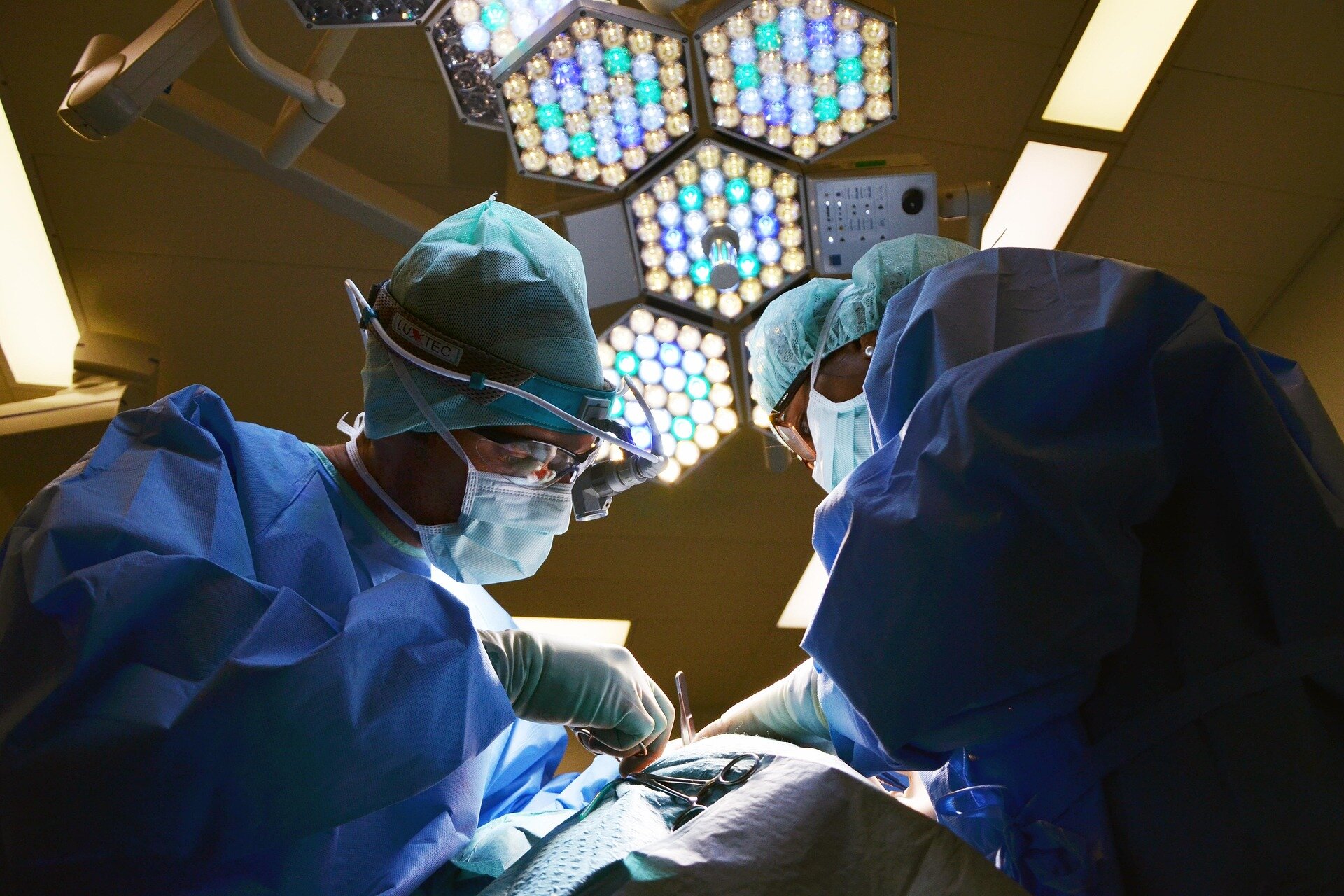
Operating room stress leadership can affect how surgical teams handle pressure, according to Leiden University researchers who studied behavior in operating rooms. Their work suggests that surgeons’ communication and self-control matter alongside medical knowledge and technical skill.
The study, published in Current Problems in Surgery, drew on 100 hours of surgical observation and interviews with 32 health care professionals. The researchers examined how teams respond when procedures become tense and what role the surgeon plays in setting the tone.
Eduard Schmidt, a Leiden researcher and public administration expert who studies leadership in social and health care settings, said performance under pressure begins before an operation, shows up during the procedure and gains value through reflection afterward.
How does leadership reduce operating room stress?
Leadership reduces operating room stress by helping the team prepare for difficult moments, stay focused when pressure rises and talk openly about what happened afterward, according to the Leiden researchers. The study points to small behaviors by surgeons, including clear emotional signals and invitations to speak up, as factors that can change how the wider team responds.
The researchers identified three main sources of pressure in the operating room: surgical complications, teamwork demands and organizational strains such as planning and workload. Staff used self-regulation strategies to cope, including preparing for likely scenarios, narrowing attention to the most urgent task and controlling emotional reactions.
Schmidt said those individual strategies work best when the leader creates conditions that support them. If a surgeon reacts to difficulty by swearing or lashing out, tension can spread through the team, he said. Stating frustration plainly can give colleagues useful information and help them respond.
According to Schmidt, surgeons may misjudge how visible their stress is to others. The researchers found that a surgeon’s stress can become a major source of stress for the rest of the team.
What could change before and after surgery
The Leiden team said leadership opportunities start before the first incision. Standard briefings often cover practical details such as the patient, the procedure and allergies, but the researchers said surgeons could also identify parts of the operation that may be especially demanding.
That kind of preparation can help the team know when vigilance will be needed most, according to Schmidt. It can also make it easier for team members to raise concerns or questions, which the researchers connect with psychological safety.
The researchers also called for more routine reflection after operations. Schmidt said debriefs now tend to happen mainly when something has gone wrong, while every procedure could include a brief discussion of what went well, what should improve and how the team worked together.
Even short acknowledgments may matter, according to Schmidt. A surgeon who notes a stressful moment, recognizes being too direct or thanks the team can affect how staff look back on the operation, he said. Some surgeons already do this, but the researchers said it is not standard practice.
Why the findings may reach beyond hospitals
The Leiden researchers said the findings may apply outside health care to teams that must perform under intense pressure, including the military, police, fire service, elite sports and other settings. Schmidt also said the same principles could apply in Michelin-starred restaurants.
Within health care, the researchers hope leadership becomes a stronger part of surgical training. Schmidt said medical and technical skills deserve major attention, but communication, motivation and building a safe team culture are also important, adding that younger surgeons appear more aware of these issues.
This story draws on original reporting from Medical Xpress.