
No-touch phone laws make handling a phone illegal in 33 states
Handheld-phone bans cover 33 states and D.C.; drivers should set up calls, maps and music before moving and check local rules.
By Priya Raghavan · Science Reporter
3 min read
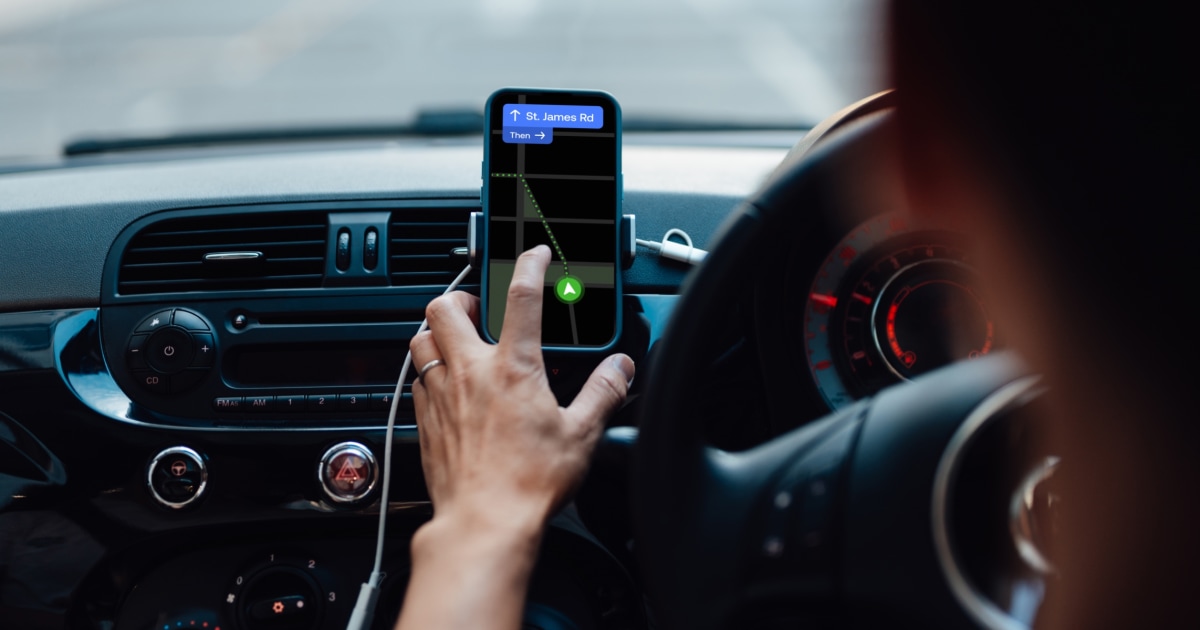
No-touch phone laws driving rules now prohibit all drivers from using handheld cellphones in 33 states, Washington, D.C., and several U.S. territories, according to the Governors Highway Safety Association. The laws do not create a national ban on every kind of phone use, but they can make holding or manually operating a device a ticketable offense even when a driver is not texting.
The practical takeaway is to set navigation, audio and communications before putting the vehicle in motion. Rules at the margins differ by state, including whether a mounted phone can be touched, what happens at a red light and which drivers face added restrictions.
What do no-touch phone laws allow while driving?
A hands-free or no-touch rule generally bars a driver from holding or manually using a cellphone while operating a vehicle. That can cover picking up a phone for a call, scrolling through music, entering an address or tapping on a screen, according to NBC News and Mercury Insurance.
Voice commands, Bluetooth and vehicle controls are commonly allowed, but the details are set by state law. NBC News reported that some jurisdictions permit limited interaction, such as a single tap, while others take a stricter approach. California, for example, has said drivers may not touch a phone while driving even when stopped at a red light.
Being paused in traffic or at a signal therefore is not automatically an exception. Drivers should consult their state highway-safety office or the applicable statute before relying on an exception for a mounted device or a temporary stop.
How drivers can avoid a phone-law violation
- Enter the destination, choose music and address messages or calls before leaving.
- Do not hold, tap, scroll or type on the phone once the trip has begun.
- Use voice features or built-in vehicle controls only where local rules allow them.
- Pull over and park safely before changing a route, responding to a message or otherwise handling the device.
- Check for rules that apply specifically to novice drivers, school-bus drivers, work zones, school zones or local jurisdictions.
Many laws include exceptions for emergency calls and for law-enforcement or first-responder duties, NBC News reported. Those exceptions do not replace the need to know the rules where the vehicle is being driven.
Can police stop a driver just for holding a phone?
Usually, yes, in states with all-driver handheld bans. GHSA says all but Alabama and Missouri use primary enforcement, which permits an officer to issue a citation for handheld phone use without first observing another traffic violation.
States also regulate cellphone use differently for certain drivers. GHSA says 36 states and D.C. prohibit all cellphone use by novice drivers, while 25 states and D.C. impose that restriction on school-bus drivers. No state prohibits all cellphone use for every driver, the group says.
The push for clearer rules comes amid continued safety concerns. GHSA, citing federal data, reported 3,208 deaths and 315,167 injuries in distraction-related crashes in 2024, while cautioning that the totals are likely understated because distraction can be hard to establish after a crash.
This story draws on original reporting from NBC News.