
Legionnaires’ disease is understood, but outbreaks still recur
Fifty years after the Philadelphia outbreak, scientists know how Legionella spreads, while U.S. cases and building-related clusters continue.
By Priya Raghavan · Science Reporter
3 min read
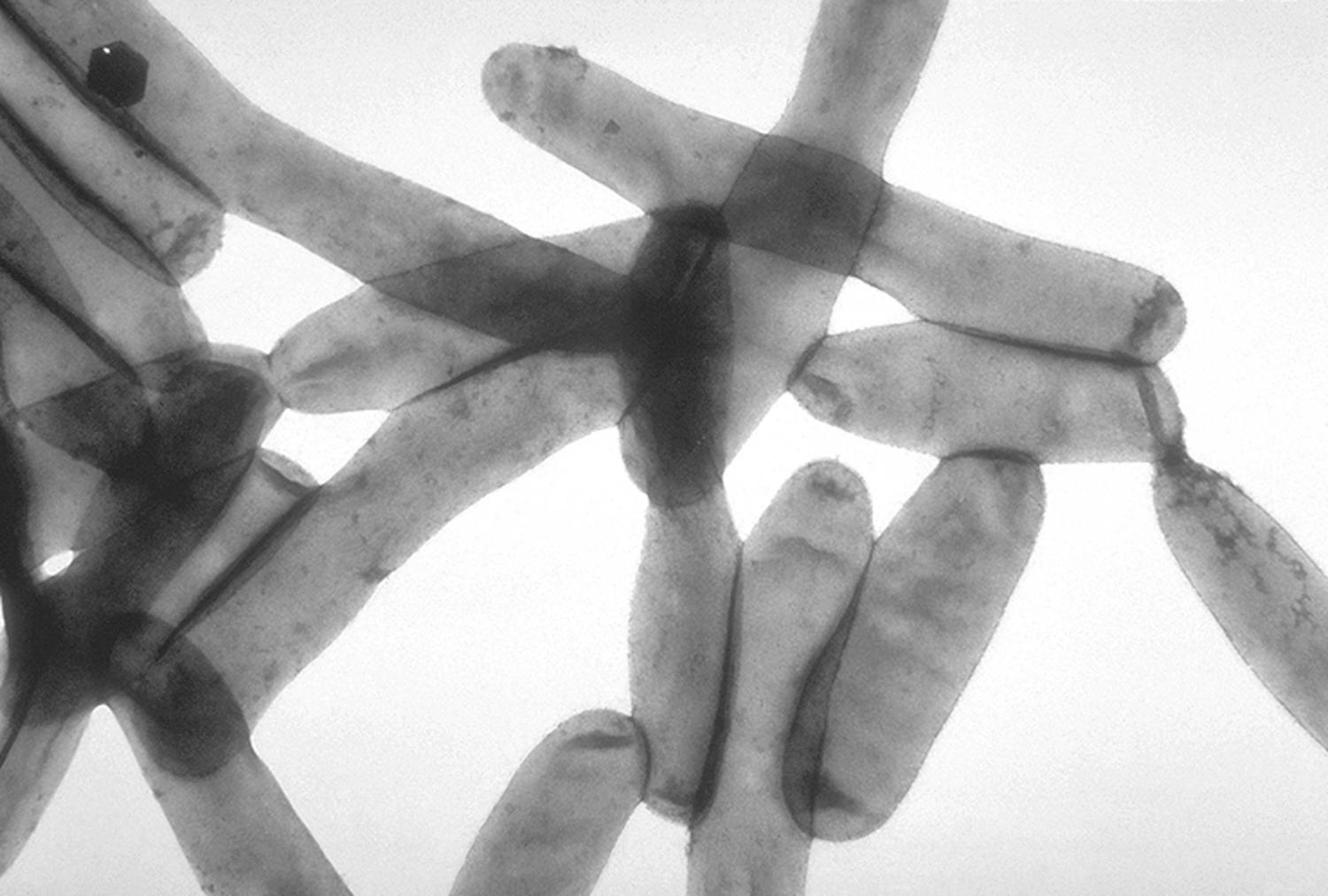
Scientists traced the 1976 Philadelphia pneumonia outbreak that gave Legionnaires’ disease its name to a bacterium that grows in water systems, but the illness has not disappeared. The Centers for Disease Control and Prevention says reported U.S. cases have increased fivefold since 2000, with about 2.5 confirmed cases per 100,000 people each year.
Charles N. Haas and Robert Promisloff wrote in The Conversation that more than 200 people who attended the American Legion Convention at the Bellevue-Stratford Hotel became sick soon after Philadelphia’s bicentennial events in late July 1976. Thirty-four died after developing pneumonia symptoms including fever, cough and breathing trouble, they wrote.
At the time, investigators did not know what was causing the illnesses, according to Haas and Promisloff. They wrote that scientists considered infection, heavy metals and environmental factors before CDC microbiologist Dr. Joseph McDade identified the responsible organism months later through microbiological work and animal testing.
A bacterium in building water systems
The organism was named Legionella pneumophila after the convention outbreak, Haas and Promisloff wrote. They said it differed from familiar respiratory pathogens because it grew in an environmental water source and did not spread directly from one person to another.
Haas and Promisloff wrote that the bacterium can multiply in biofilms on wet surfaces. They said the Bellevue hotel’s air-conditioning cooling systems contained such biofilms, and that later research showed household plumbing, fixtures, whirlpools, humidifiers and other engineered water systems can support Legionella growth.
According to Haas and Promisloff, people can become infected when contaminated water particles enter the air and are inhaled. They wrote that disinfection can limit bacterial growth, while system design can reduce the release of aerosols.
The CDC later found that the same organism had caused earlier, milder respiratory illness clusters in Pontiac, Michigan, in 1968, according to Haas and Promisloff. The Occupational Safety and Health Administration identifies that milder illness as Pontiac fever.
Guidance, testing and treatment have changed
Haas and Promisloff wrote that researchers now recognize Legionella pneumophila as one of many microorganisms that can cause respiratory disease through airborne water particles. They said risk-assessment methods developed for environmental microorganisms have been used by Drexel University students to calculate Legionella concentrations relevant to water management.
Consensus guidance for building water systems now exists, including ANSI/ASHRAE Standard 188-2021, which addresses legionellosis risk management, according to Haas and Promisloff. They wrote that hot water lines must be kept above critical temperatures and that stagnant areas should be avoided because chlorine can decay there.
Treatment has also shifted. Haas and Promisloff wrote that erythromycin became an early standard therapy but had many side effects, while doctors now commonly use antibiotics such as azithromycin or levofloxacin for Legionnaires’ disease and other severe community-acquired pneumonia cases.
The CDC says laboratory tests can detect Legionella in urine. Haas and Promisloff wrote that hospitals use rapid tests to help determine whether a patient with respiratory symptoms has the infection.
Outbreaks continue
Haas and Promisloff cited several later outbreaks, including a 1999 Netherlands flower show cluster linked to a whirlpool spa that caused at least 188 illnesses and 21 deaths. They also cited a 2015 South Bronx outbreak connected to multiple building cooling towers that led to 138 cases and 16 deaths.
New York City health officials said a Central Harlem Legionnaires’ disease cluster that began in late July 2025 caused 90 hospitalizations and seven deaths, according to Haas and Promisloff. The CDC estimates the U.S. economic burden of Legionnaires’ disease likely exceeds $1 billion a year.
Cases tend to peak in warm weather, especially during humid conditions or after rain, Haas and Promisloff wrote. They said Legionella can grow in cooling towers, hot water tanks, hospital plumbing and decorative fountains, and that hospitals, hotels, cruise ships and office buildings now routinely monitor for the bacteria.
This story draws on original reporting from Medical Xpress.