
Legionnaires’ cluster sickens 23 on Manhattan’s Upper East Side
New York City is testing cooling towers after 23 Legionnaires’ disease cases were reported in Carnegie Hill and Yorkville.
By Priya Raghavan · Science Reporter
3 min read
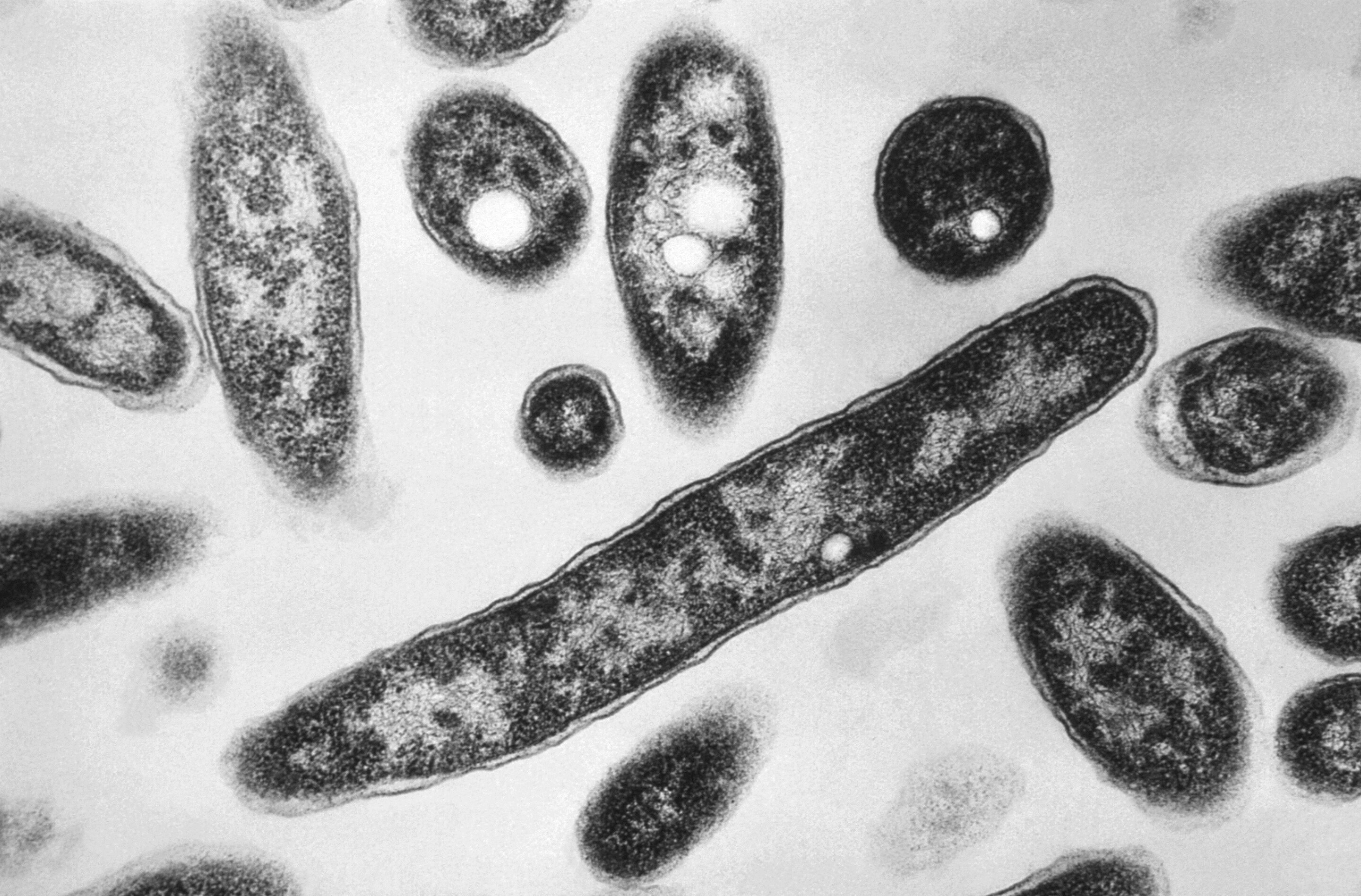
New York City health officials are investigating a cluster of Legionnaires’ disease on Manhattan’s Upper East Side after 23 people became sick. As of July 6, officials reported 17 hospitalizations and no deaths.
The city health department said the cases are tied to Carnegie Hill and Yorkville, covering ZIP codes 10028, 10128 and 10075. Officials said the likely source is one or more cooling towers, the rooftop water systems used by some buildings to regulate temperatures in equipment such as refrigeration systems.
The department is testing cooling towers in the area, officials said. Because the suspected problem is not in building plumbing, residents can keep using tap water for drinking, bathing, showering and cooking, according to city health officials.
Officials also said residents can keep using air conditioners because those units do not use water to cool air. Legionella bacteria do not spread from person to person, according to health officials.
The city urged people who live in or recently visited the affected area to contact a health care provider promptly if they develop flu-like symptoms. Legionnaires’ disease is a form of pneumonia, and early diagnosis matters because treatment requires the right antibiotics, health officials said.
How the illness spreads
The U.S. Centers for Disease Control and Prevention says Legionnaires’ disease is caused by Legionella bacteria. The bacteria grow in warm water and can spread through building water systems, including showerheads, hot tubs and cooling towers, according to the CDC.
People most often become infected by breathing in small droplets of contaminated water, the CDC says. Health officials said highly vulnerable hospital patients can also be exposed through contaminated water or ice, and babies can be exposed during water births.
Symptoms usually appear two days to two weeks after exposure, according to the CDC. They include cough, fever, headache, muscle aches and shortness of breath.
The CDC says people face higher risk if they are 50 or older, smoke or vape, have chronic lung disease or have a weakened immune system. The illness takes its name from a 1976 outbreak among people who attended an American Legion convention in Philadelphia.
Severity and prevention
Legionnaires’ disease can be fatal. The CDC says about one in 10 people who become sick die from complications.
The World Health Organization says untreated Legionnaires’ disease usually gets worse during the first week. The WHO lists possible complications including respiratory failure, shock, kidney failure and multiorgan failure.
The WHO says building and water-system managers can reduce risk by limiting Legionella growth. Recommended steps include regular cleaning and disinfection of cooling towers, keeping proper chlorine levels in spa pools and flushing unused taps in buildings each week.
New York health officials also recommend steps residents can take at home. Those include draining garden hoses, following manufacturers’ directions for cleaning and replacing water filters, checking chlorine levels in pools and hot tubs, and flushing hot water heaters twice a year.
This story draws on original reporting from Medical Xpress.