
Review traces how exercise-linked blood pressure drops became a research field
Researchers say post-exercise hypotension may help guide blood pressure care, but the field still lacks standardized methods and long-term outcome data.
By Tom Brennan · Health & Medicine Correspondent
3 min read
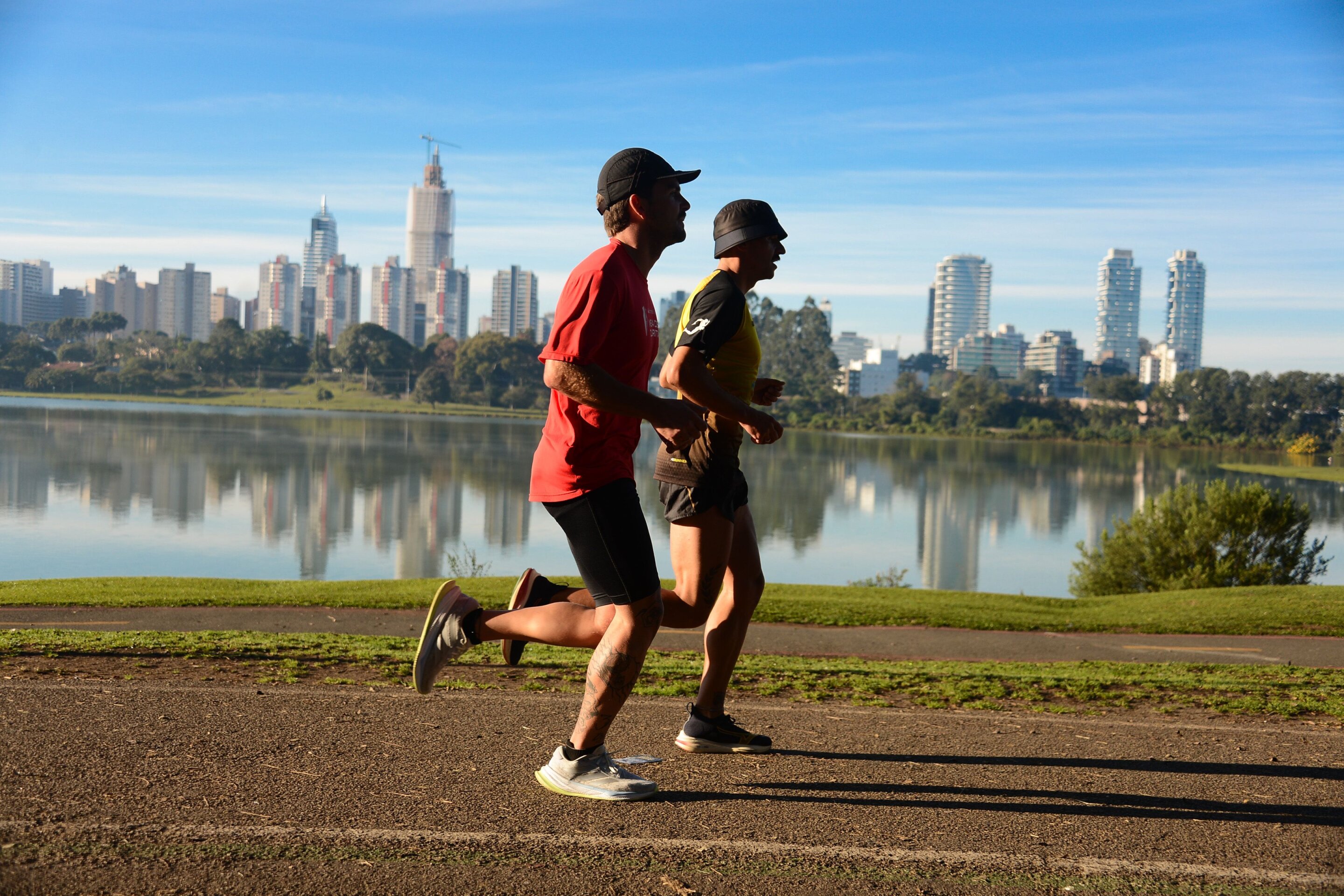
A new review in the Journal of Human Hypertension traces the rise of research into post-exercise hypotension, the drop in blood pressure that can follow a workout. The topic matters for hypertension care because researchers cited by the University of Connecticut say the response may help some patients manage blood pressure without relying only on medication.
The paper, “Scientific advances in post-exercise hypotension: a bibliometric review,” was authored by Samara Sezana-Costa and colleagues. The University of Connecticut said the review was led by Milton Rocha Moraes, an assistant professor at the Federal University of Paraíba in Brazil, with Linda Pescatello, a Board of Trustees Distinguished Professor of kinesiology at UConn, among the senior figures discussed in the field.
From observation to clinical question
According to UConn, interest in the phenomenon gained momentum after William Fitzgerald, then at Mount Sinai School of Medicine, noticed in 1981 that his blood pressure was lower after jogging. Pescatello later helped define the field through a 1991 paper in Circulation, which UConn said brought wider attention to the blood pressure response after exercise.
Pescatello’s early work grew out of cardiac rehabilitation. At New Britain General Hospital, now the Hospital of Central Connecticut, she observed that patients often left exercise sessions with lower blood pressure than when they arrived, according to UConn.
She then tested the pattern with ambulatory blood pressure monitors and a control condition in which patients came to the lab without exercising. UConn reported that the study found blood pressure could remain lower for up to 13 hours after exercise compared with non-exercise days.
What later studies found
Pescatello and collaborators, including Paul Thompson at Hartford Hospital, later described post-exercise hypotension as a blood pressure drop below control levels that lasts for a substantial part of the day, according to UConn. Her lab has reported that people with higher starting blood pressure tend to see the largest reductions.
UConn said Pescatello’s group also found that the effect can be stronger at higher exercise intensity when a person can tolerate it. The same body of work has examined blood pressure self-monitoring as a way to encourage exercise adherence, and Pescatello said combining exercise with medication can work as well as, or better than, medication alone.
Moraes said his research group published a 2012 study showing that the blood pressure reduction after one resistance exercise session matched the chronic reduction seen after a 12-week program. He also said the acute response weakened after physiological adaptation to training, suggesting it could help predict how a person responds to exercise.
According to Moraes, studies have documented post-exercise blood pressure reductions lasting 48 to 72 hours after the last session. The review describes the response as more than a laboratory finding and as a potential tool for non-drug blood pressure management.
Research gaps remain
The review used bibliometric methods and was limited to the Scopus database, according to UConn. Moraes said it found that Brazilian researchers lead in publication output on post-exercise hypotension, while also pointing to a need for stronger study quality and methods.
Moraes said future work should standardize blood pressure measurement across studies, use more biomarkers to clarify mechanisms, and include more high-risk and underrepresented groups, including older adults and people with cardiometabolic or kidney-related conditions. Pescatello said studies of neuromotor exercise and blood pressure need more rigorous trial designs that account for confounding factors.
Moraes also identified a major unanswered question: whether short-term exercise-induced blood pressure drops translate into better long-term survival. No direct studies have tested that link yet, according to UConn.
This story draws on original reporting from Medical Xpress.