
Immune tolerance cells draw interest as precision therapies
A Frontiers in Science paper says engineered regulatory T cells could help treat inflammatory diseases by restoring immune balance.
By Tom Brennan · Health & Medicine Correspondent
3 min read
Scientists are sharpening efforts to turn regulatory T cells into therapies that can calm harmful inflammation without broadly weakening the immune system. A paper in Frontiers in Science says the approach could affect conditions tied to immune imbalance, including type 1 diabetes, transplant rejection, neurodegeneration and some chronic inflammatory diseases.
Regulatory T cells, often called Tregs, help prevent immune attacks on the body’s own tissues. According to the paper, researchers are studying whether these cells can be adapted as “living medicines” that restore immune tolerance in specific tissues and at specific stages of disease.
The authors describe inflammation as a factor in a wide range of disorders, including cancer, diabetes, chronic infections, cardiovascular disease, reproductive conditions and neurodegenerative disease. They argue that Treg-based treatments could offer a more targeted alternative to current therapies that suppress immune activity across the body.
Dr. Jeffrey Bluestone, a joint lead author and co-founder and scientific adviser to Sonoma Biotherapeutics, said Tregs are drawing interest because they can do more than restrain immune attacks. Bluestone said the cells also appear to take part in tissue repair, metabolic stability and control of inflammation.
A move toward targeted immune control
For autoimmune disease and transplant rejection, the paper says standard treatment often relies on strong immunosuppressive drugs. Those drugs can reduce harmful immune responses, but they also carry risks because they weaken immune defenses more generally.
The authors say tolerance-based medicine would aim to reset immune control rather than only treat damage after it occurs. Early evaluations of Tregs in autoimmunity and transplant rejection have shown acceptable safety and early signs of clinical benefit, according to the paper.
Dr. Fred Ramsdell, a joint lead author, 2025 Nobel Prize winner in physiology or medicine and co-founder and adviser to Sonoma Biotherapeutics, said emerging genetic engineering and combination strategies could change how immune tolerance is restored and maintained.
The paper says precision will be central to that goal. It outlines three areas where future Treg therapies will need tighter control:
- Designing the therapy to act on the right target while remaining stable and effective.
- Controlling where and when the treatment acts in the body.
- Selecting patients by immune subtype, disease stage or predictive biomarkers.
Cancer poses a different problem
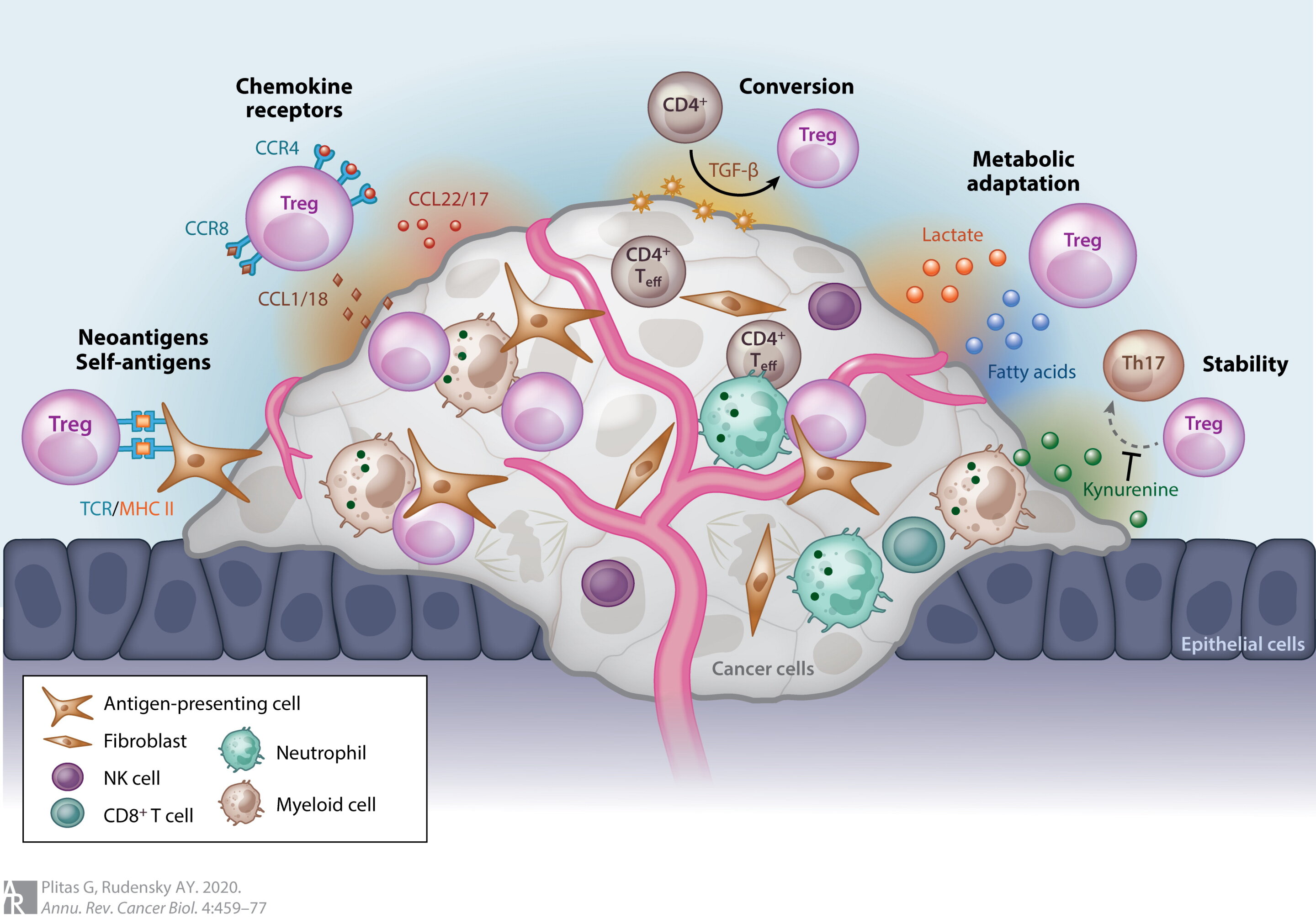
The same tolerance machinery that can protect tissues may also help cancers escape immune attack. The authors say this means Treg-related therapies may need to work in opposite directions depending on the disease: strengthening tolerance in autoimmune disease or transplant rejection, and selectively weakening it in some cancer settings.
Researchers are also exploring Tregs in severe COVID-19, fibrosis, metabolic disease, aging, pregnancy-related disorders and other conditions linked to chronic inflammation or disrupted tolerance, according to the paper.
Qizhi Tang of the University of California, San Francisco, a co-author, said the technical base now exists to shift treatment from broad immune suppression toward precise restoration of tolerance. The paper points to off-the-shelf Treg products and gene-based approaches that could program cells inside the body as areas of development.
The authors say combination treatments may offer the nearest path forward, pairing Tregs with cytokines or other immune-modifying agents to help the cells persist, function and withstand inflammatory environments. They also say engineering, metabolic tuning and tissue-targeting tools could be added as the field advances.
Megan Levings of the University of British Columbia and BC Children’s Hospital Research Institute, a co-author, said continued investment could help make cell-based therapies such as Tregs a new category of medicine alongside small molecules, biologics and gene therapies.
This story draws on original reporting from Medical Xpress.