
AI framework aims to aid care for children with tetralogy of Fallot
Researchers say DynaTOF uses echocardiogram videos and measurements to support diagnosis and follow-up planning for a common congenital heart defect.
By Priya Raghavan · Science Reporter
3 min read
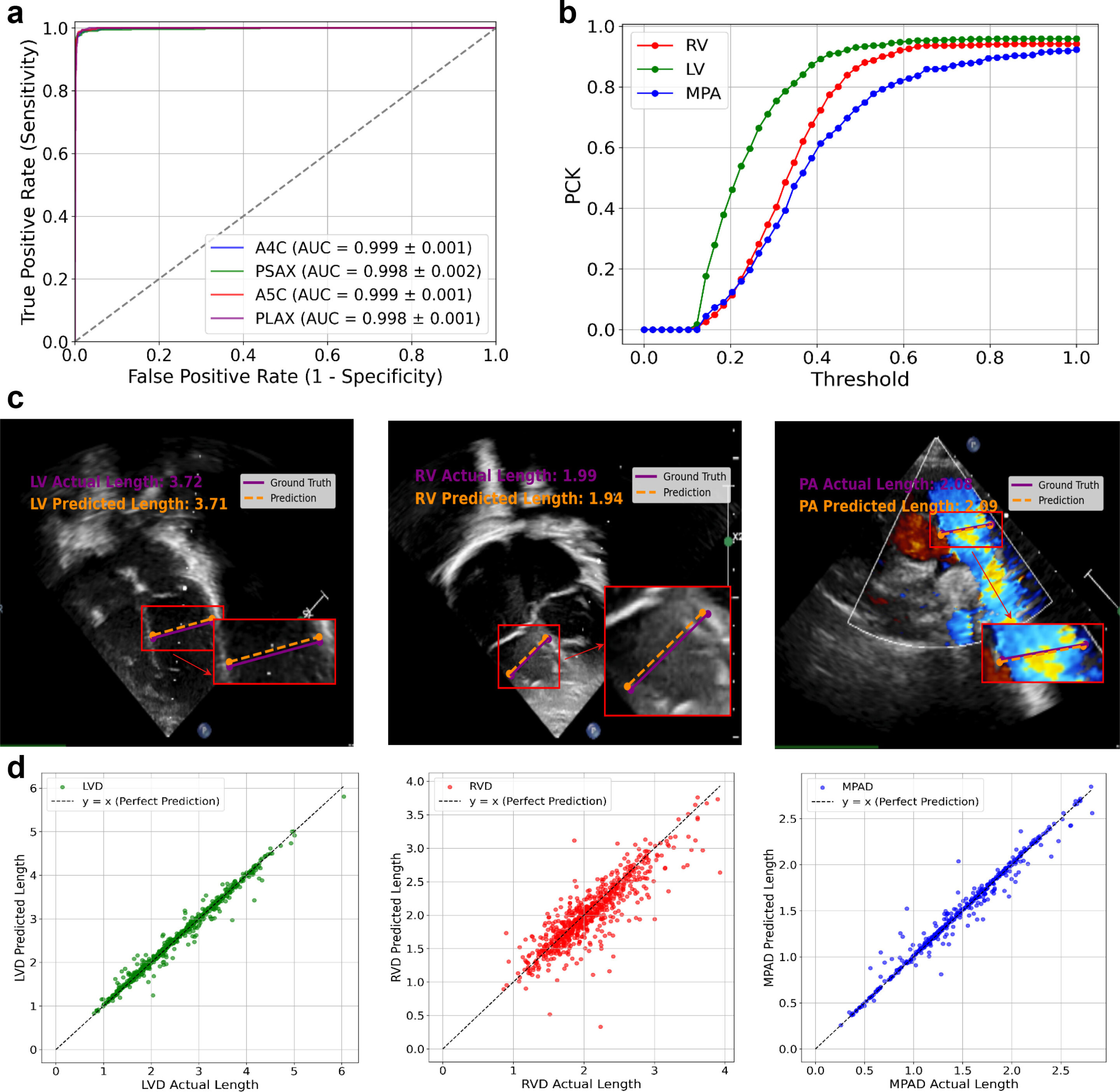
Researchers have developed an artificial intelligence framework designed to help doctors assess children with tetralogy of Fallot, a common cyanotic congenital heart defect. The work matters because these children often need surgery and years of follow-up, and echocardiograms guide many early care decisions.
The framework, called DynaTOF, was described in a peer-reviewed study in eBioMedicine. Yingshuang Gao, a PhD candidate in statistics at Shanghai Jiao Tong University and a co-first author of the study, said the system is meant to support clinicians rather than replace them.
Tetralogy of Fallot, often shortened to TOF, involves several structural problems in the heart. According to Gao, children with the condition may require careful evaluation, surgical repair and long-term monitoring after treatment.
Echocardiography is a central tool in that care because it is noninvasive and provides moving images of the heart. Gao said the test also places demands on clinicians, who must identify the correct image views, interpret motion, measure small structures and combine those findings with the patient’s clinical course.
How the system works
According to the study, DynaTOF was built to address both diagnosis and later risk assessment. The researchers designed it to recognize standard echocardiographic views, including apical and parasternal views, before drawing conclusions from the images.
The framework also identifies and measures key cardiac diameters in echocardiographic images. Gao said automating parts of this measurement work could reduce repetitive manual tasks and make results more consistent.
DynaTOF then combines visual information from echocardiogram videos with quantitative cardiac measurements. In the study, Gao reported, that combined approach performed better than using videos or measurements alone.
The researchers said the design mirrors how clinicians use echocardiography in practice. Doctors typically do not base decisions on a single frame or one measurement, but weigh multiple findings together.
Predicting recovery patterns
The study also examined whether preoperative information could help estimate postoperative recovery. According to Gao, DynaTOF uses echocardiographic information collected before surgery, the type of surgery and follow-up timing to estimate possible recovery trajectories.
The system is intended to flag patients who may need closer monitoring, not to give families a definite forecast. Gao said it does not replace clinical judgment or determine what will happen to an individual child.
The researchers tested DynaTOF with data from multiple medical centers. The data included healthy controls, patients with conditions that can resemble TOF and patients with confirmed TOF, which Gao said created a more realistic diagnostic challenge than only comparing healthy hearts with diseased hearts.
According to the eBioMedicine paper, DynaTOF showed strong performance in supporting TOF assessment, predicting postoperative abnormal score patterns and stratifying follow-up risk. The study did not present the tool as ready for broad clinical use.
Gao said more evaluation is needed before wider deployment because performance can vary across hospitals, ultrasound machines, patient populations and clinical workflows. The researchers framed the work as part of a broader effort to build medical AI around the full care pathway, from diagnosis and surgical planning to postoperative monitoring and long-term care.
This story draws on original reporting from Medical Xpress.