
HIV funding cuts put global AIDS gains at risk, UNAIDS warns
UNAIDS says international HIV financing for developing countries fell 18% in 2025, threatening prevention and treatment gains.
By Priya Raghavan · Science Reporter
3 min read
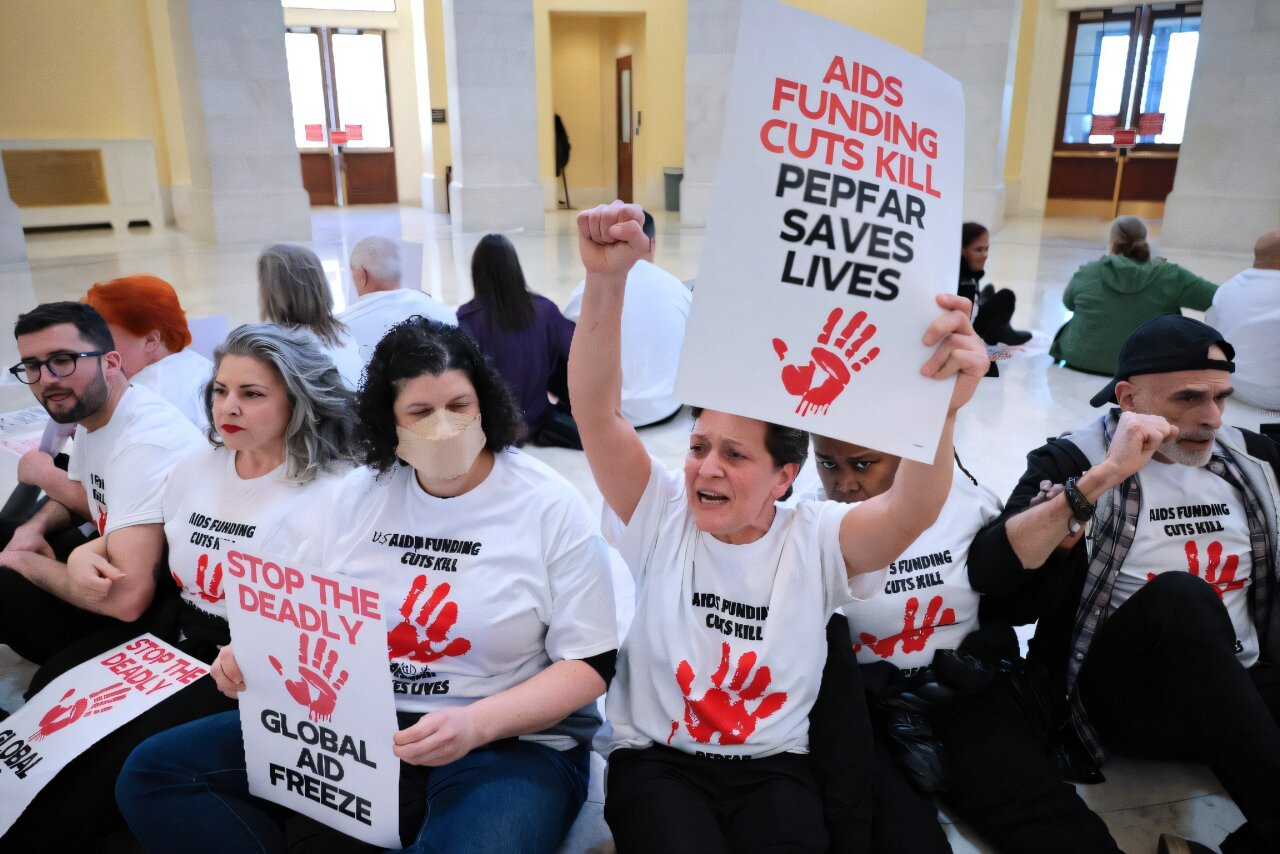
HIV funding cuts are putting global AIDS progress under strain just as medical advances are improving prevention and treatment, AIDS leaders warned Monday. A UNAIDS report released at the 26th International AIDS Conference in Rio de Janeiro said international financing for HIV programs in developing countries fell 18% in 2025.
The warning came as the conference opened for the first time since the United States sharply reduced foreign aid after Donald Trump returned to the White House last year. AFP reported that European countries including France, Germany and the United Kingdom also cut support.
Beatriz Grinsztejn, president of the International AIDS Society, said donor support had dropped faster than at any previous point and that vulnerable people were already feeling the effects. She said the global HIV response was meeting at a moment of “real danger.”
How much has HIV funding fallen?
UNAIDS said international HIV financing for developing countries declined by 18% in 2025. The report also said European HIV funding has fallen 58% since 2011, while the U.S. share of donor-government support grew during that period.
Even after last year’s U.S. cuts, the United States still accounted for 74% of HIV funding from donor governments, according to the UNAIDS report. That dependence has raised concern among health officials because changes in a few major donor budgets can affect treatment and prevention programs across many countries.
UNAIDS deputy executive director Angeli Achrekar told AFP that developing countries with high HIV burdens, many of them in sub-Saharan Africa, were increasing their own spending. Domestic funding rose 4% last year and now makes up nearly 60% of the total HIV response, the UNAIDS report said.
UNAIDS chief Winnie Byanyima told AFP last month that those increases were still far short of the need. The report said many low-income African countries rely on overseas development assistance for 90% of their HIV response.
What does the funding drop mean for HIV care?
HIV can be controlled with antiretroviral drugs, and prevention medicines can sharply reduce the risk of transmission. If funding gaps interrupt treatment or reduce access to prevention, UNAIDS warned, infections and deaths can rise.
Byanyima said HIV science had reached one of its strongest moments, including prevention medicines with near vaccine-like effectiveness. She also said the obstacle was now unequal access and political commitment, not a lack of scientific tools.
The UNAIDS report said new HIV infections and AIDS-related deaths reached their lowest levels in more than 30 years in 2025. It also found that new infections rose in 21 countries, and experts cautioned that the full effects of the recent funding cuts may not yet be visible.
The United Nations has set a goal of ending AIDS as a public health threat by 2030. One target is to expand access to antiretroviral drugs that prevent HIV spread to 20 million people, but the UNAIDS report said nearly half of children living with HIV were not receiving those medicines last year.
What new HIV drugs are under debate?
Achrekar urged drugmakers to make new HIV medicines affordable and widely available. Before the Rio conference, Merck said it would allow some manufacturers in Africa and India to produce cheaper generic versions of alimatravir, its once-monthly antiretroviral pill that has not yet been approved.
Doctors Without Borders, known by its French initials MSF, also called on Gilead to widen access to lenacapavir, a preventive medicine injected twice a year. MSF said Brazil, Argentina, Mexico and Peru, where clinical trials were conducted, are excluded from current generic licensing arrangements.
MSF said research has shown lenacapavir could be made for $40 per person per year, while the drug costs up to $28,000 per patient annually in the United States. The group said broader access is needed for countries facing high HIV risks.
This story draws on original reporting from Medical Xpress.