
Health plan enrollment drops by more than 5 million
Protect Our Care says Medicaid, CHIP and ACA plan enrollment fell after federal policy changes raised costs and tightened eligibility.
By Priya Raghavan · Science Reporter
3 min read
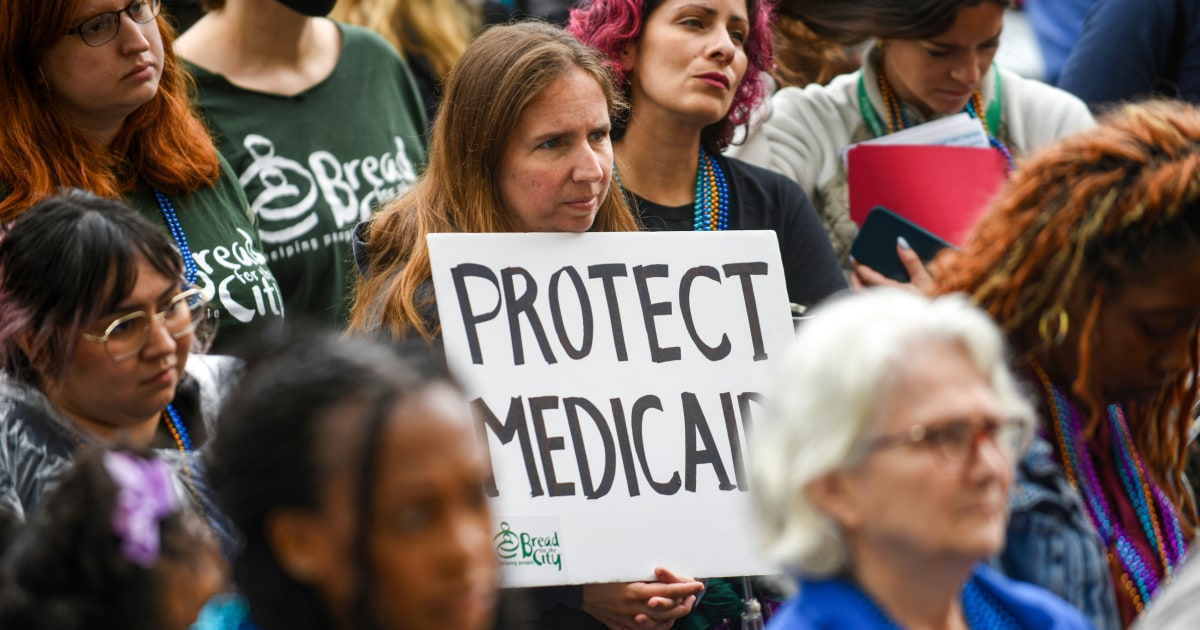
Enrollment in Medicaid, the Children’s Health Insurance Program and Affordable Care Act plans has fallen by more than 5 million people over the past year, according to a new report from Protect Our Care. The decline is an early sign of reduced coverage after major federal changes to Medicaid and ACA subsidies, the advocacy group said.
Protect Our Care attributed part of the drop to President Donald Trump’s tax and spending law, signed last July, and to the December expiration of enhanced ACA subsidies after Republicans declined to extend them. The law includes nearly $1 trillion in Medicaid cuts over 10 years, according to the group.
The report found that Medicaid and CHIP enrollment fell by about 3.8 million people since June 2025. ACA plan enrollment dropped by about 1.2 million over the same period.
The findings rely on two years of ACA enrollment data from the Centers for Medicare & Medicaid Services and an analysis of Medicaid data by the Georgetown University Center for Children and Families, according to Protect Our Care.
Brad Woodhouse, executive director of Protect Our Care, said the country has already reached 5 million fewer enrollees and warned that the losses will grow. He said people without coverage often delay medical care because they cannot afford it, which can leave them sicker when they seek treatment.
State declines were widespread
All but three states saw Medicaid and CHIP enrollment decline, according to the report. Alabama, Missouri and Montana were the exceptions.
Protect Our Care said the largest Medicaid and CHIP enrollment declines were in Indiana, Louisiana, Arizona, Rhode Island and Delaware. Indiana had the steepest percentage drop, at nearly 15%, according to the report.
ACA plan sign-ups fell in 41 states, according to Protect Our Care. Enrollment declined by more than 10% in 12 states, with the largest drops in North Carolina, Ohio, West Virginia, Indiana and Delaware.
ACA enrollment had risen for several years before this year and reached a record 22.3 million sign-ups last year, according to KFF data cited by NBC News. Medicaid enrollment climbed during the pandemic, then began falling in 2023 after states resumed eligibility reviews following the end of pandemic-era protections.
Work rules are still ahead for most states
Many Medicaid changes in the federal law have not yet taken effect. The most significant provision, new Medicaid work requirements, is scheduled to begin in most states in January, according to NBC News.
Nebraska began using the new work rules in May, and Montana is expected to follow next month, according to NBC News. The Centers for Medicare & Medicaid Services issued guidance in June on the rules, including medical exemptions.
Miranda Yaver, an assistant professor of health policy and management at the University of Pittsburgh, told NBC News that some of the Medicaid drop may reflect a “chilling effect,” with eligible people avoiding enrollment because of fears tied to immigration enforcement or deportation. She said that concern may be strongest among legal immigrants and people with non-U.S. citizens in their families.
Yaver also said the ACA enrollment decline was not surprising because many enrollees faced sharply higher premiums during open enrollment after the enhanced subsidies expired. She said the total may understate the effect because it does not include people who moved into less generous plans or may later drop coverage because of premium costs.
The Congressional Budget Office estimated last year that Medicaid cuts and the end of enhanced ACA subsidies would leave about 15 million more people uninsured by 2034. Lawrence Gostin, director of Georgetown University’s O’Neill Institute for National and Global Health Law, told NBC News the coverage losses were predictable and would bring health and economic consequences.
This story draws on original reporting from NBC News.