
Fruit fly study ties immune cells to sugar-related growth timing
IRB Barcelona researchers found macrophages can slow hormone production in sugar-fed Drosophila larvae, delaying metamorphosis and supporting growth.
By Priya Raghavan · Science Reporter
3 min read
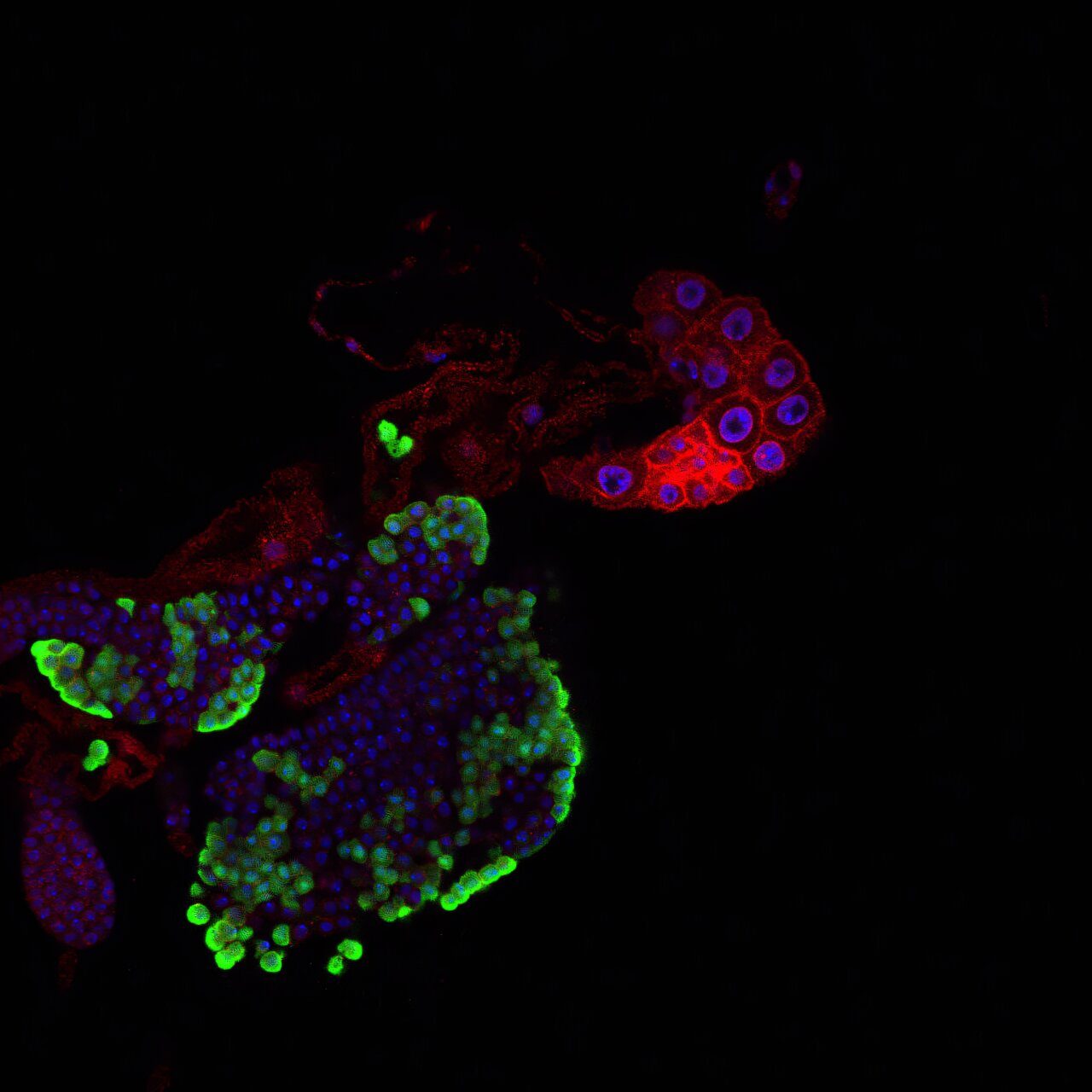
Immune cells helped fruit fly larvae adjust their development when they were fed a high-sugar diet, according to a study led by researchers at IRB Barcelona. The finding matters because it links nutrition, immune signaling and hormone control during a sensitive growth stage, though the work was done in Drosophila and does not show the same process occurs in people.
The study, published in Current Biology, was led by Sergio Juárez-Carreño and Marco Milán at the Institute for Research in Biomedicine in Barcelona. The researchers examined how Drosophila melanogaster larvae respond when excess dietary sugar disrupts normal metabolic conditions.
According to IRB Barcelona, the work identifies macrophages, a type of immune cell, as messengers between diet and the endocrine system. In larvae eating a high-sugar diet, these cells increased production of Dpp, a signaling molecule related to human BMP2/4 proteins.
That Dpp signal acted on the prothoracic gland, the endocrine organ that produces ecdysone, IRB Barcelona said. Ecdysone is the steroid hormone that prompts the larval-to-pupal transition, a major developmental step in flies.
Immune cells tracked nutritional stress
Macrophages are best known for roles in immune defense, but the researchers said they also reflect the body's metabolic state. In conditions such as obesity and insulin resistance, macrophages have been linked to inflammation and fat buildup in tissues, according to IRB Barcelona.
The new study adds a developmental role in fruit flies. Under high-sugar conditions, macrophage-derived Dpp temporarily lowered ecdysone production, slowing the start of metamorphosis.
Juárez-Carreño, first author of the study and now a group leader at the Andalusian Center for Developmental Biology, said the team had known macrophages respond to metabolic stress. The results show, he said, that these immune cells can connect nutritional cues from outside the organism with whole-body physiology.
A delay that supported size
IRB Barcelona said Drosophila larvae usually finish this developmental phase in about five days. When the larvae were given a high-sugar diet, the process took six or seven days.
The researchers interpreted the slower timing as a buffer against dietary stress. When they blocked the Dpp signal made by macrophages, the larvae showed a shorter delay but ended up smaller, according to the study.
That result suggests the immune response helped the larvae offset some growth effects of the high-sugar diet by extending the developmental window. Milán, an ICREA researcher and head of the Development and Growth Control laboratory at IRB Barcelona, said the immune system can act as internal surveillance that adjusts development when nutrition is poor.
Limits of the findings
Drosophila melanogaster is widely used to study development, metabolism and hormone regulation because many core biological processes can be tested in the animal. The larva-to-pupa transition lets researchers examine how steroid hormones coordinate large physiological changes, IRB Barcelona said.
The researchers noted that BMP proteins are conserved through evolution and have been associated with metabolic processes and insulin resistance in mammals. Still, the study did not establish a matching mechanism in humans.
IRB Barcelona said the findings raise questions about whether high-sugar diets, obesity or insulin resistance could affect hormone regulation during growth in other animals. Juárez-Carreño plans to study how excess sugar affects adult organisms in future work.
The paper is titled “A systemic role of macrophage-derived BMP2/4 homolog Dpp in inhibiting sterol hormone synthesis under dietary stress.” Its listed authors include Sergio Juárez-Carreño and colleagues, and the DOI is 10.1016/j.cub.2026.05.028.
This story draws on original reporting from Medical Xpress.