
Gut cells limit Salmonella growth by withholding metals, study finds
University of Vermont researchers report that intestinal epithelial cells restrict Salmonella by moving iron and manganese away from the bacteria.
By Priya Raghavan · Science Reporter
3 min read
Researchers at the University of Vermont say intestinal cells can slow Salmonella by cutting off the bacteria’s access to iron and manganese, two metals it needs to grow. The finding points to a second line of defense in the gut after disease-causing bacteria get past the intestinal barrier.
The work, led by Leigh Knodler, a professor of microbiology and molecular genetics at the Robert Larner, M.D. College of Medicine, was published in the Proceedings of the National Academy of Sciences. The study identifies a nutrient-withholding response inside intestinal epithelial cells, the cells that line the gut.
Salmonella infections can cause diarrhea, fever and abdominal pain, according to the University of Vermont. The university said Salmonella is the most common bacterial cause of food poisoning in the United States and sickens more than 1 million people each year. Most healthy people recover without medical treatment, but infections can become dangerous if they spread in young children, older adults or people with weakened immune systems.
A metal shortage inside infected cells
Intestinal epithelial cells normally help keep gut microbes from entering the bloodstream by forming a physical barrier. Salmonella can breach that barrier and survive inside those cells, according to the university.
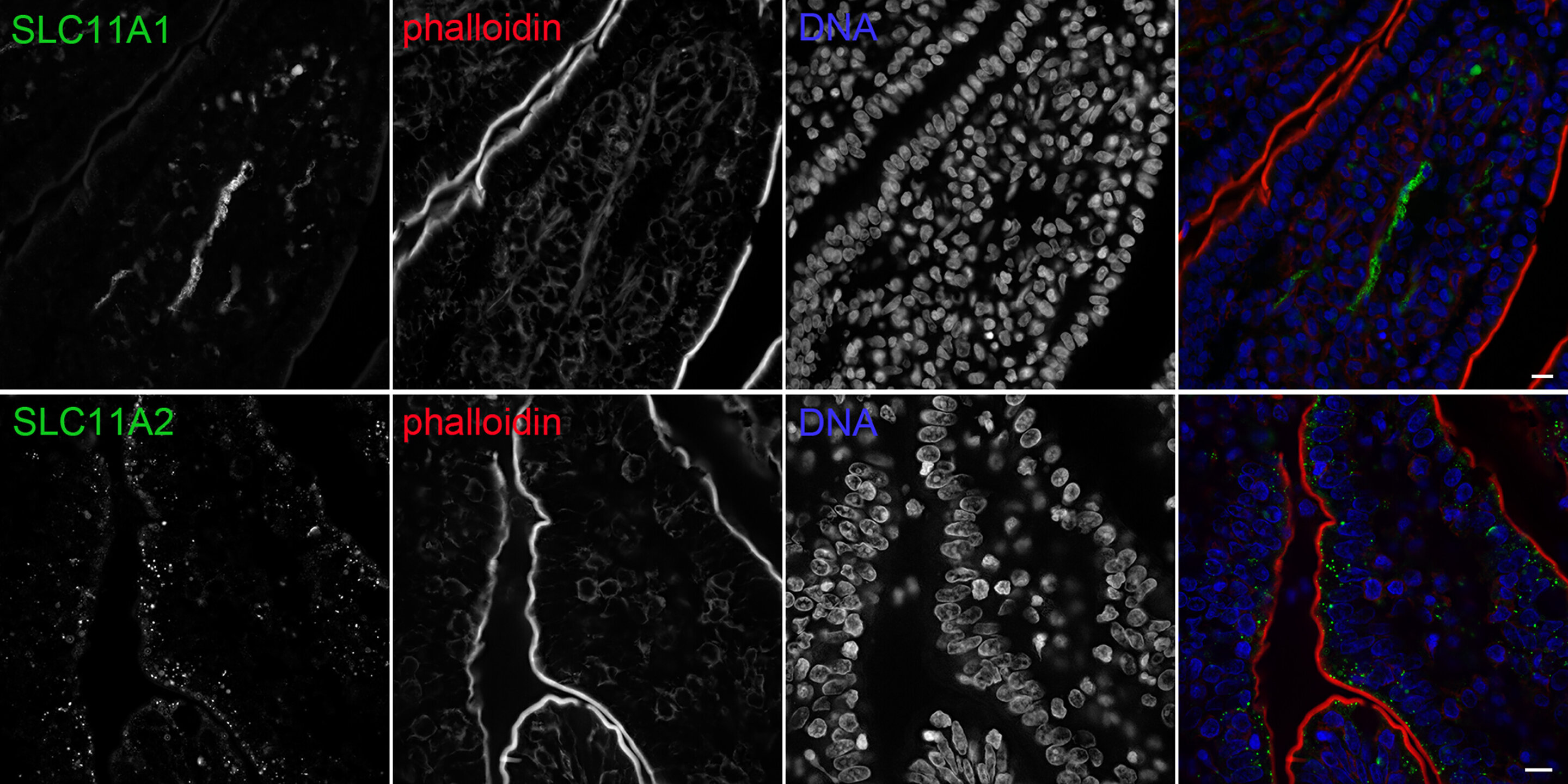
Knodler’s team found that the cells respond by moving iron and manganese away from intracellular Salmonella, limiting the bacteria’s ability to multiply in the intestine. The study describes the transporter SLC11A2 as part of that process, according to the PNAS publication details.
The researchers used fluorescent sensors designed to detect the availability of metal ions during infection. Those tools allowed the team to observe where metal restriction occurred in gut tissue and how host cells used a metal transport system to reduce the nutrients available to the bacteria, the University of Vermont said.
Potential treatment target
Knodler said in the university’s release that organisms from bacteria to mammals require trace metals, and that infection can turn into a competition between host and pathogen for those nutrients. She said the study shows intestinal epithelial cells use a metal transporter to deprive Salmonella of iron and manganese and restrain bacterial growth.
The University of Vermont said the findings add to research on nutritional immunity, the process by which the body limits microbes by controlling access to nutrients. The university said metal transport pathways could become targets for future drugs or diagnostic tools for Salmonella and other diarrheal or food-borne illnesses.
The researchers plan to study other metal transporters in the gut, where the university said dozens remain to be examined. The next work will assess whether those transporters also help control pathogens and how they act together during infection.
Co-authors and collaborators included researchers from the University of Wisconsin–Madison, Vanderbilt University Medical Center and John Salogiannis of the University of Vermont’s Larner College of Medicine, according to the university. The PNAS paper lists Emilia S. Norberg and colleagues as authors and is titled “SLC11A2 withholds divalent metals from Salmonella in the gut epithelium.”
This story draws on original reporting from Medical Xpress.