
Study finds GLP-1 drug misuse among people with eating disorders
University of Louisville researchers reported higher use of drugs such as Ozempic and Wegovy among people diagnosed with eating disorders.
By Tom Brennan · Health & Medicine Correspondent
3 min read
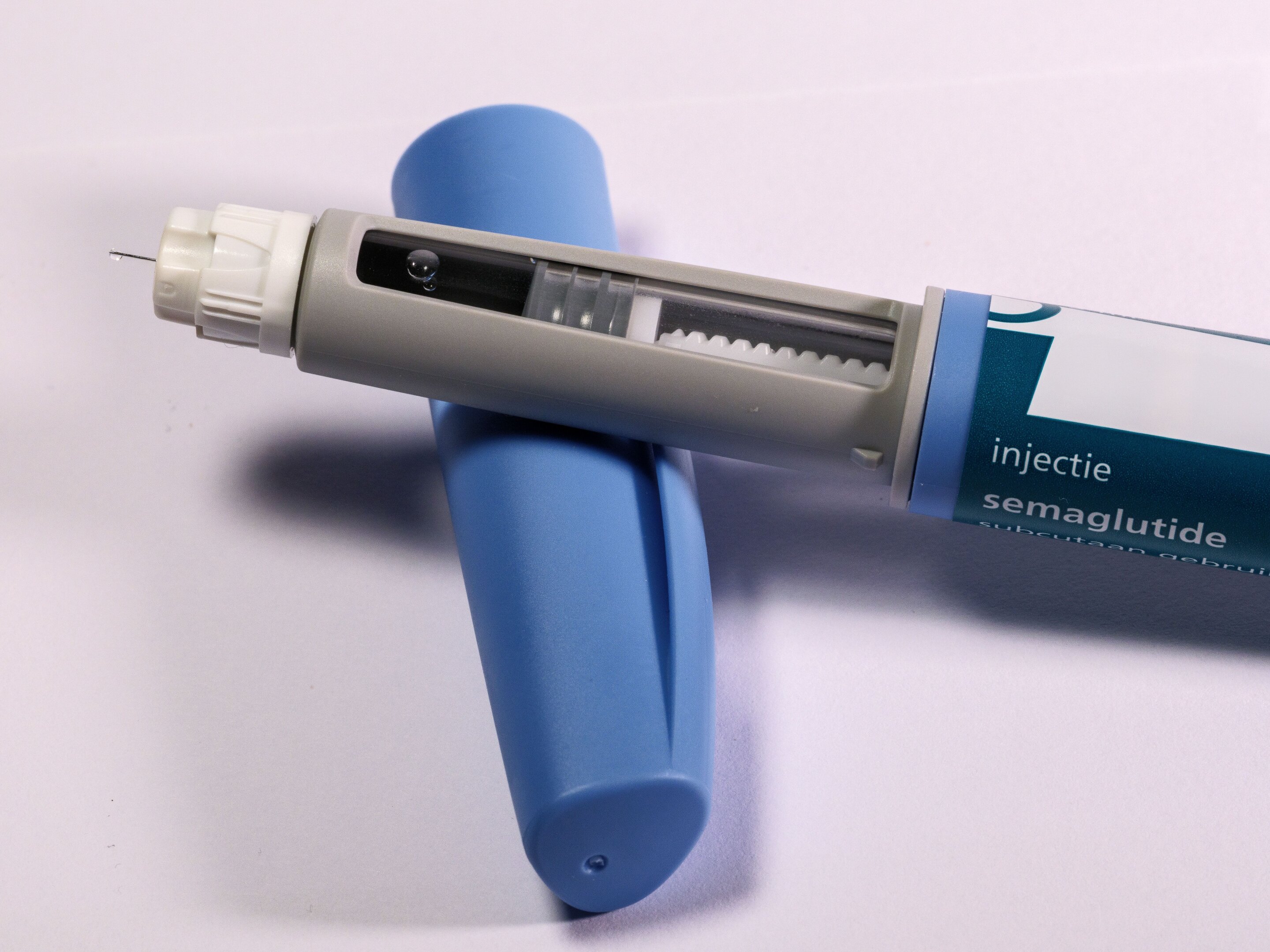
People with eating disorders reported using GLP-1 medications at rates well above those seen in the broader adult population, according to a University of Louisville study published in JAMA Psychiatry. The findings add a safety concern to the fast-growing use of drugs such as Ozempic and Wegovy for diabetes and weight management.
The researchers surveyed 436 people in the United States who had eating disorders, including anorexia nervosa, bulimia nervosa and binge eating disorder. About 32.1% said they had used GLP-1 receptor agonists at some point, compared with roughly 15% of adults in the general population, according to the study.
At the time of the survey, 22% of participants were still using the medications. Nearly one in 10 reported misuse, which the researchers said included taking larger doses than prescribed, staying on the drugs longer than directed, sharing medication with others or obtaining unregulated versions online.
Why researchers are concerned
GLP-1 receptor agonists mimic a gut hormone involved in blood sugar control and appetite. The drugs slow stomach emptying and can make people feel full sooner and for longer, effects that can reduce food intake and help with glucose control and weight management, according to the study background.
Those same effects raise risks for people with eating disorders, the authors said. Eating disorders are serious psychiatric conditions tied to harmful eating behaviors, distress over food and body shape, and in some cases intense efforts to control intake.
The researchers said doctors have raised concerns that some people with eating disorders could use GLP-1 medications to increase restriction or weight loss. The authors also noted that GLP-1 drugs are not approved as treatments for any eating disorder.
How the study was conducted
The University of Louisville team recruited participants from March 2025 through January 2026 through online advertisements, national organizations and medical research networks. Participants were asked about current or past use of GLP-1 drugs, including semaglutide and tirzepatide, and whether any use involved misuse or online purchases of unregulated products.
The survey also collected information on age, race, medical conditions and mental health conditions. The study focused on use patterns rather than testing whether the medications caused harm among participants.
The authors said the results point to a need for closer pharmacovigilance as GLP-1 drugs become more widely available and as new oral and next-generation versions reach the market. They called for more research into how people with eating disorders obtain the drugs, why they use them and how marketing may affect their decisions.
Compounded versions were part of the misuse concerns identified in the study. The researchers described these as custom-made products often bought online, outside standard medical and regulatory channels.
The study, “Use and Misuse of GLP-1 Receptor Agonists Among People With Eating Disorders,” was authored by Nicholas C. Peiper and colleagues and published in JAMA Psychiatry.
This story draws on original reporting from Medical Xpress.