
GLP-1 therapies tailored to metabolic needs, study suggests
A Penn-led review of 19 trials found GLP-1 drugs differ on weight, blood sugar, cholesterol and blood pressure effects.
By Priya Raghavan · Science Reporter
3 min read
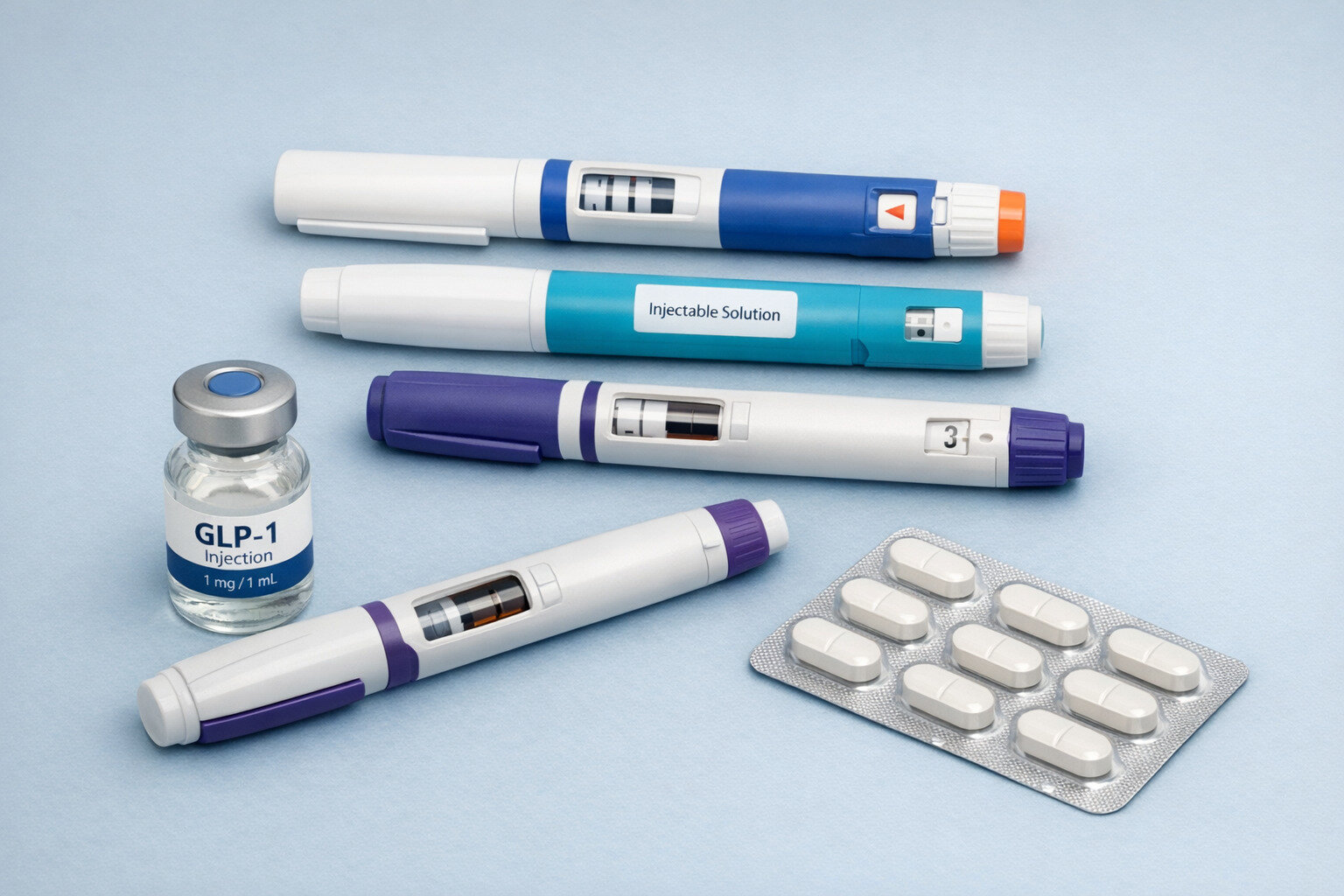
A new analysis suggests GLP-1 therapies tailored to a patient’s metabolic profile may be a realistic goal, not just a weight-loss concept. Researchers led by the Perelman School of Medicine at the University of Pennsylvania found that different GLP-1 drugs and doses varied in their effects on weight, blood sugar, cholesterol and blood pressure.
The study, published in Diabetes, Obesity and Metabolism, reviewed data from 19 randomized controlled trials involving 13,117 adults who were overweight. The research team included investigators from Penn, Yale School of Medicine and UT Southwestern Medical Center.
Yong Chen, a Penn biostatistics professor and senior author, said the findings support a broader approach to choosing treatment. According to Penn, Chen said patients should not assume there is one best GLP-1 option for every person because treatment choice may depend on individual goals and health needs.
How could GLP-1 therapies be tailored?
The researchers used a measure they developed called the Cardiometabolic Efficacy Index, or CEI, to compare the drugs across several health markers. The index runs from 0 to 1, with higher scores reflecting a stronger treatment effect.
The CEI combines seven measures: body weight, waist circumference, HbA1c, systolic blood pressure, triglycerides, HDL cholesterol and LDL cholesterol. HbA1c is a measure of average blood sugar levels over time, while systolic blood pressure is the top number in a blood pressure reading.
Across the trials, Penn said higher-dose GLP-1 receptor agonists tended to produce larger cardiometabolic gains. Injected semaglutide at 7.2 mg had the highest CEI score, at 0.86. Orforglipron 36 mg followed at 0.68, and injected semaglutide 2.4 mg scored 0.66.
Those three therapies each produced average placebo-adjusted weight loss of at least 10% of body weight, according to the researchers. The study also found that the treatments differed by specific health measure, which is central to the case for individualized selection.
Orforglipron showed stronger effects on blood sugar control, HDL cholesterol and systolic blood pressure, Penn reported. Semaglutide showed larger effects on body weight, waist circumference and LDL cholesterol.
Oral GLP-1 drugs compared with injections
The analysis also found that oral GLP-1 therapies compared closely with injectable options in some groups. In adults without type 2 diabetes, orforglipron 36 mg had a cardiometabolic profile similar to oral semaglutide 25 mg, with CEI scores of 0.67 and 0.63, respectively.
Among adults with type 2 diabetes, orforglipron ranked second overall in the analysis. It trailed injected semaglutide 7.2 mg and ranked ahead of semaglutide 2.4 mg, according to Penn.
Yu-Lun Liu, a study co-author and associate professor of biostatistics at UT Southwestern Medical Center, said oral options could broaden access and give patients more flexibility. Penn reported that the researchers view that flexibility as relevant to long-term adherence and individualized care.
The team also observed a dose-response pattern for both semaglutide and orforglipron, meaning higher doses were linked with wider cardiometabolic effects in the reviewed trials.
What the researchers say comes next
The findings add to a shift in obesity research toward measuring more than pounds lost. Yuan Lu, a Penn cardiology assistant professor and study co-author, said clinicians are increasingly choosing among several effective drugs and should consider blood pressure, cholesterol and glucose control together.
Chen identified three priorities for future work, according to Penn: evaluating obesity treatment by overall health effects, developing multidimensional tools such as the CEI, and tracking oral GLP-1 therapies as more of them enter clinical practice.
This story draws on original reporting from Medical Xpress.