
GLP-1 weight-loss drugs may point to a brain circuit behind cravings
Research reviewed in The Conversation links Ozempic-like drugs to lower alcohol and drug use, with the lateral septum emerging as a possible target.
By Priya Raghavan · Science Reporter
3 min read
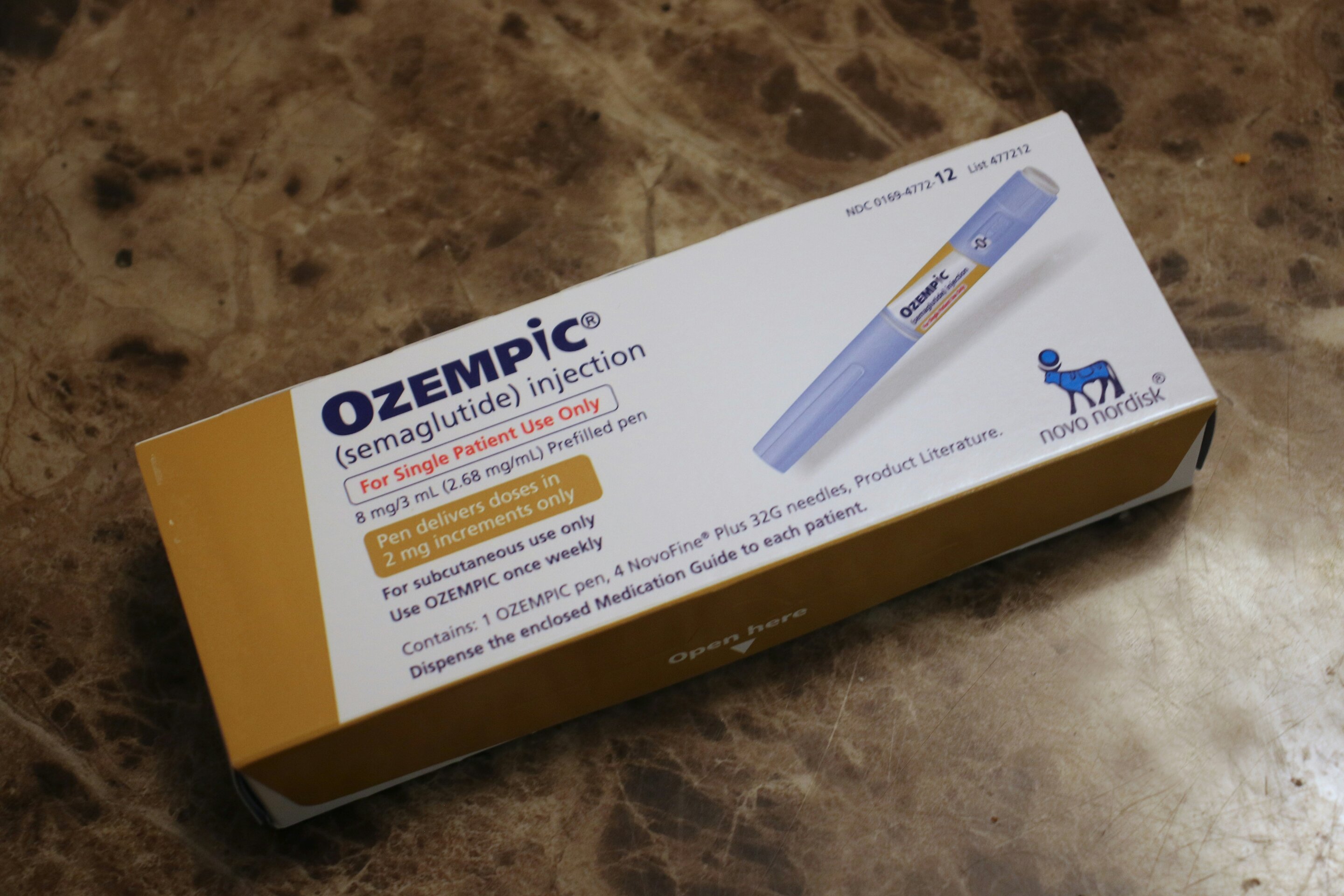
Drugs best known for diabetes and weight loss may also help explain why cravings lead people to overeat or use addictive substances. Robert Munn, writing in The Conversation, said evidence from human and animal studies points to GLP-1 medicines as a tool for probing the brain’s reward system.
GLP-1 receptor agonists, a class that includes Ozempic and Wegovy, mimic a hormone involved in blood sugar control, digestion and satiety, according to Munn. The medicines were first used for type 2 diabetes, and weight loss later became one of their most visible effects.
Munn said the drugs’ potential reach may extend beyond appetite. Human studies have reported reduced alcohol consumption among people taking GLP-1 agonists, while animal research has linked the same class of medicines to reduced use of cocaine, amphetamines, opiates and nicotine.
Why reward circuitry alone may not explain the effect
Researchers have long studied dopamine-producing reward pathways in the brain, especially the ventral tegmental area and the nucleus accumbens, Munn wrote. Those areas are central to how rewards are processed, but he said they do not contain enough GLP-1 receptors to make them the most likely direct site of action for these drugs.
That has shifted attention to other brain regions involved in craving and reward-linked behavior. Munn identified the lateral septum, a region previously associated with emotional regulation, as a key candidate because it is highly supplied with GLP-1 receptors and connects with several other brain systems.
The lateral septum has a long history in neuroscience. Munn noted that in 1953, Joseph Brady and Walle Nauta used the term “septal rage” after animals with damage in that region showed more aggression, while other work found that direct stimulation reduced aggression.
More recent research has recast the lateral septum as part of a broader network, Munn said. Its links with the hypothalamus may explain older findings on aggression, while its other connections suggest a wider role in processing emotionally and behaviorally relevant information.
A possible hub for cravings
The hippocampus, a brain region central to forming long-term episodic memories, sends major input to the lateral septum, according to Munn. The hippocampus is also known for “place cells,” neurons that help encode position in space and, according to more recent work cited by Munn, time.
Munn said this information about where and when a person is gets passed to the lateral septum. Research has found place cells there as well, but Munn said they respond strongly to rewards, adding information about what is desirable in a particular setting.
The lateral septum then shares that reward-linked information with dopamine-producing areas, according to Munn. He said neuroscientists increasingly view the region as a place where the brain represents rewards in thought before those signals influence systems that make rewards feel good.
Studies cited by Munn support the idea that GLP-1 activity in the lateral septum can curb consumption. One study found that activating GLP-1 in that region reduced food intake in mice, and another reported a similar effect on alcohol intake.
Munn also said his own lab reported this year that GLP-1 drugs reduce a type of activity in the lateral septum that may limit its communication with other brain regions. He said the findings are changing how researchers think about reward processing and focusing more attention on the lateral septum as a possible center of craving.
This story draws on original reporting from Medical Xpress.