
FDA sodium targets show little effect on new packaged foods, study finds
A Johns Hopkins analysis found no overall sodium drop in new packaged foods after the FDA’s 2021 voluntary reduction goals.
By Priya Raghavan · Science Reporter
3 min read
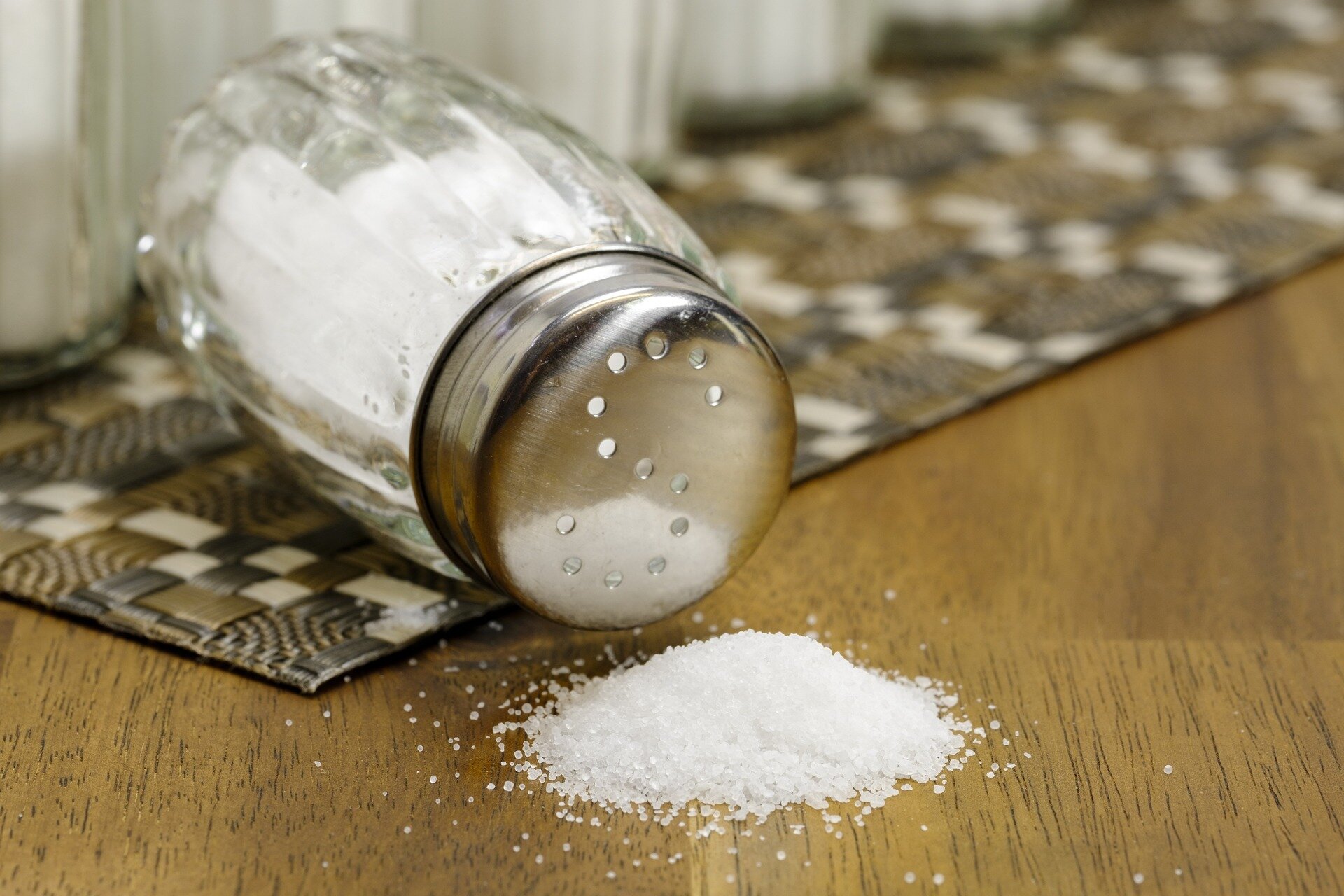
The FDA sodium targets issued in 2021 did not appear to reduce salt levels in newly launched packaged foods, according to a Johns Hopkins Bloomberg School of Public Health study described by the American Society for Nutrition. The findings matter because packaged and restaurant foods account for much of the sodium Americans eat, a dietary pattern tied to high blood pressure and heart disease risk.
The analysis compared sodium listed on Nutrition Facts labels for products introduced in the United States from 2015 through 2025. Researchers looked at six years before the FDA guidance and four years after it, focusing on nine food categories that contribute heavily to sodium intake.
Kenny Kusnadi, a graduate student researcher at Johns Hopkins and the study’s first author, said the data showed no reduction across those categories after the FDA set voluntary goals for manufacturers. Kusnadi is scheduled to present the findings at NUTRITION 2026, the American Society for Nutrition’s annual meeting, held July 25-28 in National Harbor, Maryland.
What did the FDA sodium targets do?
The FDA’s Phase I sodium reduction targets were voluntary goals meant to encourage food makers to cut sodium in packaged foods by 2024. Because the targets were not mandatory, companies faced no stated penalties in the guidance for missing them.
Health officials have pursued sodium reduction because excess intake is a major contributor to hypertension, according to the American Society for Nutrition. Studies cited by the society have found that most Americans eat well above the recommended upper limit of 2,300 milligrams of sodium per day, about the amount in a teaspoon of table salt.
Which foods were studied?
The researchers examined breads and bread products, pizzas, sandwiches and wraps, meat products, corn-based snacks, potato snacks, popcorn, dry soups and wet soups. Across the nine categories as a whole, sodium levels in products introduced after 2021 did not differ from those introduced earlier, according to the study summary.
In four categories, sodium was higher among products introduced after the guidance: dry soups, popcorn, breads and bread products, and corn-based snacks. Kusnadi said the pattern suggests manufacturers were not applying the FDA goals to new product development.
The study used the Mintel Global New Product Database, which tracks packaged foods sold in supermarkets and major retail channels that are newly introduced or have changed formulation or packaging. That approach allowed researchers to examine industry trends in new offerings, but it did not measure every food item on store shelves.
What are the limits of the findings?
The analysis did not assess what people actually ate, so it cannot show whether individual sodium consumption changed. It also does not cover the full food supply, including all existing products already available to shoppers.
Matti Marklund, an assistant professor at Johns Hopkins and the study’s senior author, said the findings add to evidence that voluntary sodium goals are less effective than stronger policy. Marklund said future efforts may need mandatory targets and financial consequences for companies that do not comply.
The FDA introduced Phase II sodium reduction targets in August 2024 and is expected to release a formal evaluation of the first phase later this year, according to the American Society for Nutrition. Researchers said consumers can lower their own sodium intake by cooking more at home, eating fewer prepared and packaged foods, and comparing Nutrition Facts labels for lower-sodium options.
This story draws on original reporting from Medical Xpress.