
FDA seeks updates to testosterone therapy warnings
The agency wants drugmakers to revise testosterone therapy labels after newer evidence on heart, prostate cancer and enlarged prostate risks.
By Tom Brennan · Health & Medicine Correspondent
3 min read
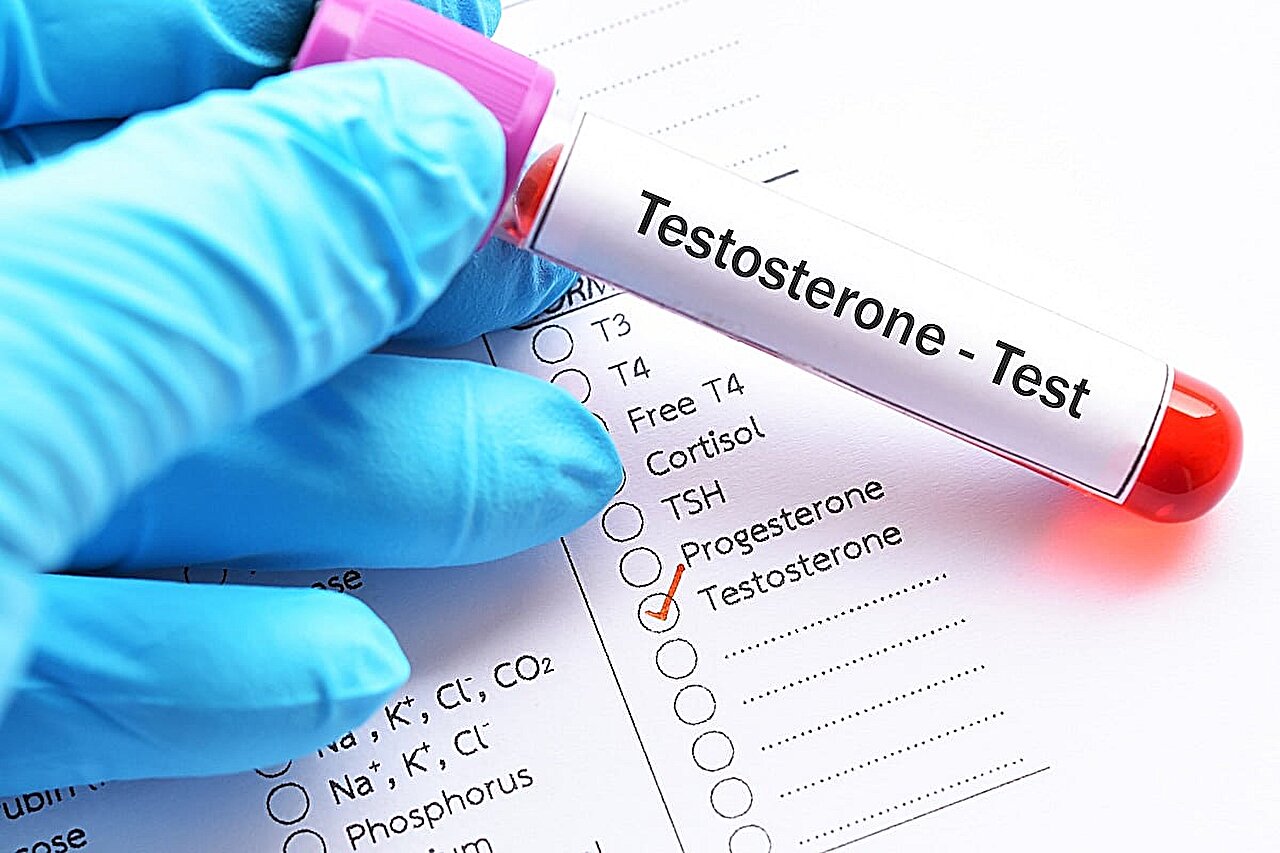
The Food and Drug Administration is asking drugmakers to change prescribing information for testosterone replacement therapy products, a move that could alter how doctors weigh the treatment’s risks and eligible patients. The Department of Health and Human Services said the request reflects newer clinical evidence on cardiovascular safety, prostate cancer and enlarged prostate concerns.
HHS said the FDA is proposing three main label changes. The first would remove a 2015 limitation that says safety and effectiveness have not been established for men with age-related low testosterone, also referred to as hypogonadism.
That restriction was added when evidence for benefit was limited and regulators were evaluating possible cardiovascular risks, according to HHS. Since then, HHS said, the TRAVERSE trial followed more than 5,200 men and found no meaningful increase in major cardiovascular events, including heart attack and stroke, among men using testosterone therapy.
On that basis, along with other evidence reviewed by regulators, HHS said the FDA has concluded the current limitation is no longer warranted. The agency is asking manufacturers to revise labels so they better reflect the available data.
Prostate cancer language would narrow
The FDA also wants to soften broad warnings involving prostate cancer, HHS said. Current labels say testosterone therapy should not be used in men with known or suspected prostate cancer and warn that the treatment may increase the risk of developing the disease.
Under the proposed update, HHS said, testosterone therapy would be barred only for men with metastatic prostate cancer. The department said clinical and population studies generally have not found a higher prostate cancer risk among men who use testosterone therapy.
HHS also said some uncertainty remains because prostate cancer may take years to appear, and some studies may not have followed patients long enough to detect longer-term outcomes. The revised label would still advise health care professionals to evaluate risk, screen men before starting therapy and continue monitoring during treatment.
Monitoring would remain for severe enlarged prostate symptoms
The third proposed change involves benign prostatic hyperplasia, or enlarged prostate. Current labeling warns that testosterone therapy may make symptoms worse, HHS said.
According to HHS, the FDA’s review did not find worsening symptoms in men with mild to moderate enlarged prostate. Evidence remains limited for men with severe disease, so the proposed labeling would continue to recommend monitoring for patients with severe symptoms.
Dr. Michael Davis, acting director of the FDA’s Center for Drug Evaluation and Research, said the agency’s role is to keep prescribing information aligned with the best available science. He said the updates are intended to give patients and health professionals clearer information about testosterone therapy’s benefits and risks.
Dr. Brian Christine, HHS assistant secretary for health, said prescribing information should change as scientific understanding of the treatment changes. HHS did not announce a final label change, but said the FDA is requesting updates from drugmakers.
This story draws on original reporting from Medical Xpress.