
Experts point to permethrin and DEET for tick-bite prevention
NBC Selected’s guide says treated clothing, skin repellents and tick checks can help lower the risk of bites during outdoor activity.
By Tom Brennan · Health & Medicine Correspondent
3 min read
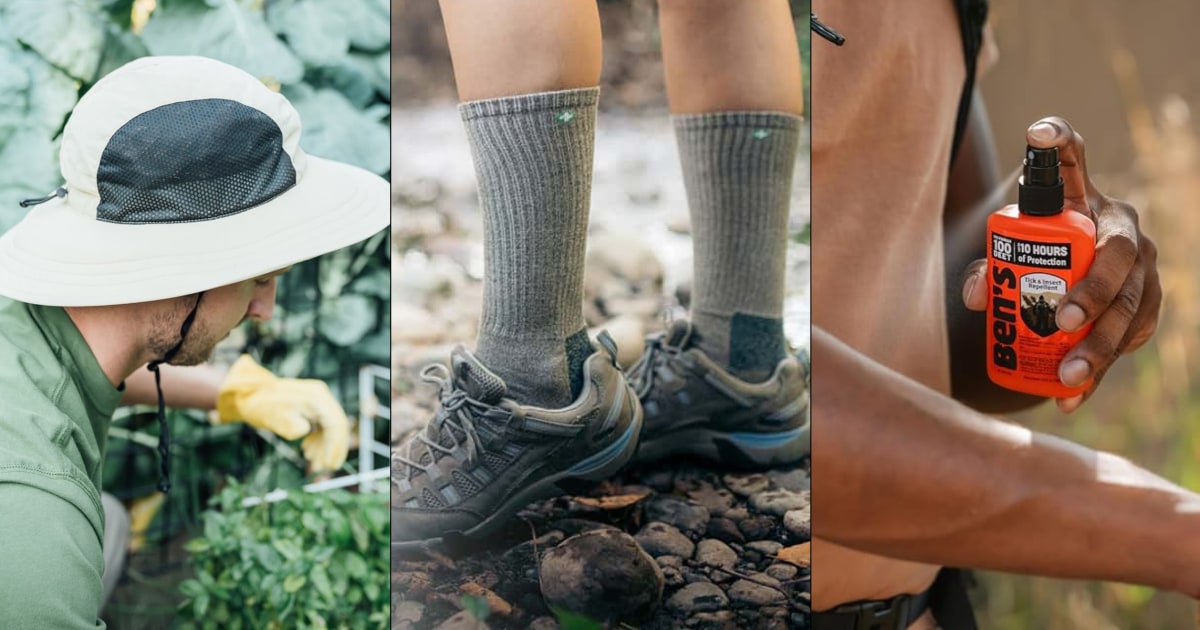
Tick season is putting renewed attention on repellents, treated clothing and yard habits that can reduce the chance of bites. NBC Selected, citing entomology specialists, said prevention is tied to avoiding tick habitat and using the right product for skin, clothing or gear.
Eva Buckner, an associate professor and extension specialist at the University of Florida’s Medical Entomology Laboratory, and Daniel Markowski, technical adviser at the Mosquito and Vector Control Association of California, told NBC Selected that consumers should look closely at active ingredients. The guide focused on products using permethrin, DEET, picaridin and oil of lemon eucalyptus.
What experts recommend
Markowski told NBC Selected that permethrin is a key ingredient for tick protection on clothing and equipment. NBC Selected said the Environmental Protection Agency approves permethrin for repelling biting and flying insects, including ticks, but it should be used on clothing and gear rather than directly on skin.
DEET is another EPA-approved ingredient used in repellents applied to skin, according to Markowski. He told NBC Selected that DEET is effective in many situations and advised trying a small amount first to watch for a possible allergic reaction.
NBC Selected reported that picaridin and oil of lemon eucalyptus can also repel ticks. Unlike permethrin, DEET and picaridin products are designed for direct skin application, according to the guide.
Products highlighted in the guide
NBC Selected listed several tick-prevention products that were recommended by experts or staff, or that had strong retailer ratings. The guide named Insect Shield Lightweight Hiker Socks, which the brand says are treated with permethrin and remain protective for up to 70 washes.
For skin, NBC Selected highlighted Ben’s 100 Tick & Insect Repellent, a DEET-based pump spray that the product listing says offers up to 10 hours of protection. The guide also included Off! Deep Woods Insect Repellent Aerosol Bug Spray, another DEET product that the brand says repels ticks along with mosquitoes, biting flies and no-see-ums.
For clothing and equipment, NBC Selected pointed to Sawyer Premium Insect Repellent for Clothing, Gear and Tents. The brand says one treatment lasts up to six weeks and through six washes, according to the guide.
NBC Selected also listed an Insect Shield Packable Hat treated with permethrin and rated UPF 50+, as well as Tick Socks sold in a four-pair set and treated with permethrin. The guide said the Tick Socks are offered in multiple sizes and designs that may appeal to children.
How to reduce exposure
Markowski and Buckner told NBC Selected that avoiding tick habitat is one of the best ways to prevent bites. The guide identified tall grass, wooded areas and piles of fallen leaves as places where ticks may be found.
The Centers for Disease Control and Prevention recommends wearing clothing and using equipment treated with permethrin, NBC Selected reported. That includes backpacks, tents and chairs, as well as clothing and shoes.
Markowski told NBC Selected that homeowners can reduce areas where ticks rest by removing tall grass and similar cover. He also said wood chips can help form a visible boundary between a home and wooded areas.
NBC Selected said repellents made for people, clothing or gear should not be used on pets. The CDC recommends pet-specific tick prevention products or medicine intended for cats or dogs, including products prescribed by a veterinarian, according to the guide.
This story draws on original reporting from NBC News.