
Emergency physician burnout in Canada linked to exits and shorter hours
A CMAJ study of 410 emergency physicians found 10% had left the field and 48% cut clinical hours, raising concerns about ER care.
By Priya Raghavan · Science Reporter
3 min read
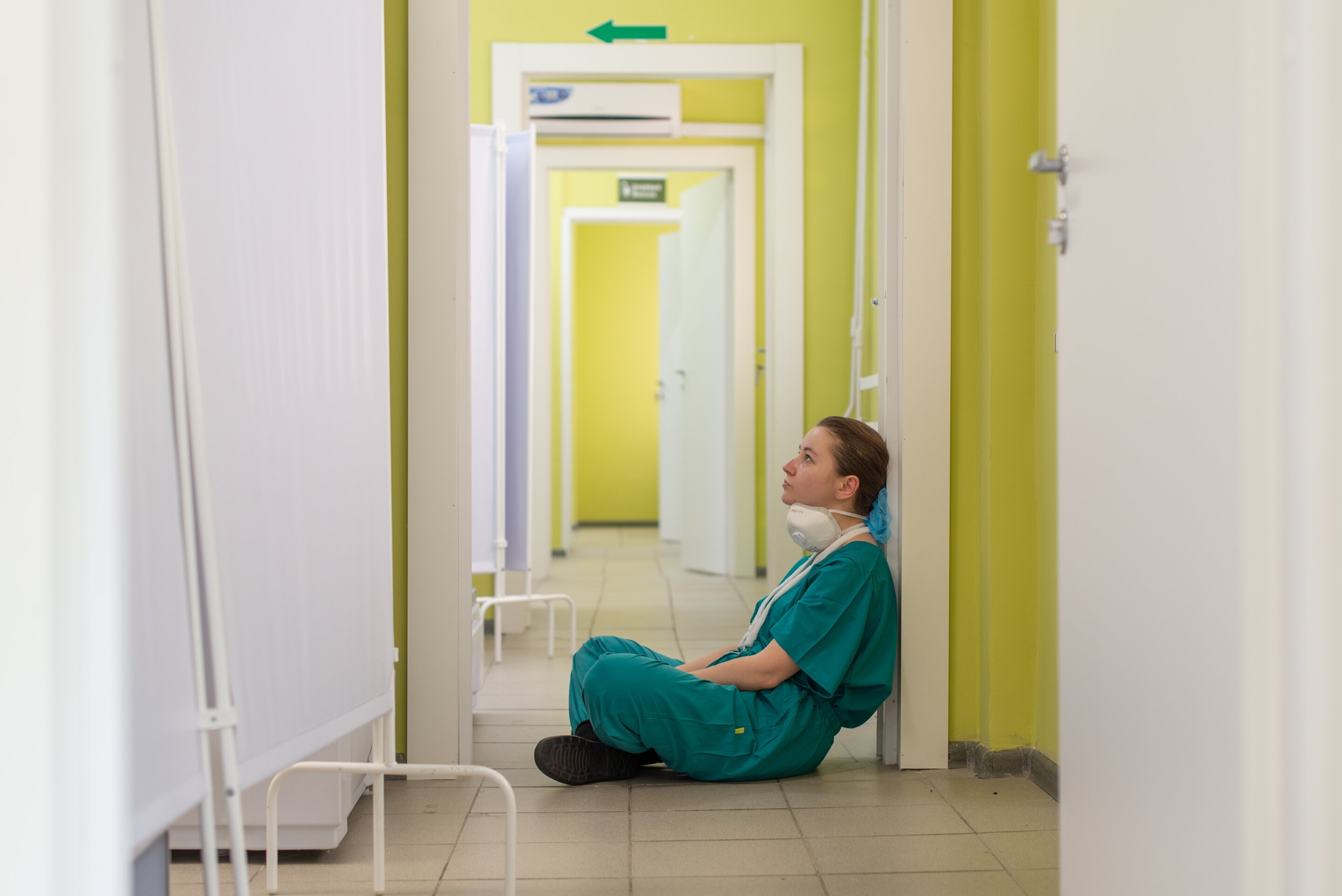
Emergency physician burnout in Canada is driving doctors out of the specialty and prompting many others to cut clinical work, according to a new study in the Canadian Medical Association Journal. The findings matter for patients because the authors link the loss of emergency doctors to risks for access, care quality and safety.
The study was conducted by researchers in the Network of Canadian Emergency Researchers and was based on a 2025 survey of 410 emergency medicine physicians. Respondents came from every province and territory except Yukon and Nunavut, according to CMAJ.
Among those surveyed, 10% had left emergency medicine, 48% had reduced their clinical hours and 20% had taken time away from work. The authors also reported higher burnout rates among women and younger physicians.
Why are emergency physicians leaving in Canada?
Dr. Kerstin de Wit of Kingston Health Sciences Centre and Queen’s University, writing with co-authors in CMAJ, said the dominant message from respondents was that the health system is failing emergency departments. The study identified several recurring themes: strain inside hospitals, distress among physicians, and a wish among some doctors to leave emergency medicine.
The authors said emergency departments are being asked to absorb problems from the wider health system while operating with limited resources and support. They cited potential contributors including government- and hospital-level dysfunction, high patient volumes, limited clinical support, expectations that do not match the role of emergency physicians, and needs that fall outside emergency practice.
According to the CMAJ authors, the results show burnout has persisted beyond the pandemic period. They wrote that physician burnout poses a patient safety risk and is associated with lower-quality care.
What did the CMAJ study find?
- 10% of respondents had left emergency medicine.
- 48% had reduced clinical hours.
- 20% had taken time off.
- Women and younger doctors reported higher rates of burnout.
The CMAJ paper adds to earlier findings from the Canadian Medical Association’s National Physician Health Survey, which the journal said showed similar burnout levels. CMAJ also cited a June 2026 report from the Canadian Institute for Health Information, which found that wait times for admitted patients receiving emergency department care had risen each year and that some patients leave before seeing a physician.
The authors described the loss of emergency physicians as a crisis for Canada’s health system. They said attrition worsens pressure on doctors who remain, creating a cycle that can further increase burnout.
To reduce the strain, the study authors said governments and institutions should close gaps in patient care, invest in geriatric emergency care and expand non-health care staffing to help address patients’ social and other needs. CMAJ also noted that the Canadian Association of Emergency Physicians has proposed changes through its EM:POWER initiative.
What response does CMAJ’s editorial call for?
In a related CMAJ editorial, Dr. Catherine Varner, an emergency physician and deputy editor at the journal, warned that Canada could lose value from decades of investment in emergency medicine training if attrition continues. She said the threat is rising as the population ages and health needs become more complex.
Varner urged all levels of government to act quickly to keep physicians in emergency medicine. She wrote that the federal government could tie Canada Health Transfers to provincial and territorial accountability for emergency department wait times and access to care, including public reporting of data.
Without deliberate action by provincial and national leaders, Varner wrote, access to round-the-clock emergency care in Canada is at risk and preventable harm will continue in waiting rooms.
This story draws on original reporting from Medical Xpress.