
DR Congo Ebola outbreak passes 3,000 cases as deaths reach 1,354
Officials say DR Congo has recorded 3,075 Ebola cases in its latest outbreak, with most infections reported in Ituri province.
By Priya Raghavan · Science Reporter
2 min read
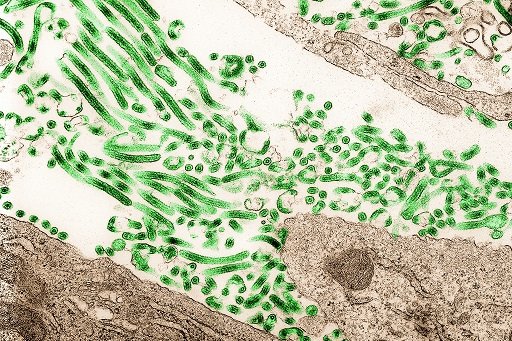
The DR Congo Ebola outbreak has surpassed 3,000 recorded cases, a sharp increase that underscores the pressure on health teams in the country’s conflict-hit east. Officials said Sunday that medics had logged 3,075 confirmed cases and 1,354 deaths in the Democratic Republic of Congo’s 17th Ebola outbreak.
The total rose by about 1,000 cases in 10 days after the outbreak crossed the 2,000-case mark on July 15, according to official figures. Authorities said better detection and testing had helped identify more infections.
The outbreak was declared on May 15 and has now been confirmed across five provinces, officials said. The World Health Organization said nearly 90% of cases have been reported in Ituri, a northeastern province that borders South Sudan and Uganda.
How bad is the DR Congo Ebola outbreak?
The outbreak has become one of the country’s major public health emergencies of the year, with more than 3,000 cases and more than 1,300 deaths recorded since mid-May. Officials said the surge in confirmed infections reflects both continuing transmission and expanded testing.
DR Congo is responding in an eastern region affected by decades of violence, which can complicate disease control work. The outbreak could continue for several more months, and health care worker strikes over unpaid wages have disrupted the response in some hospitals, according to officials.
Ebola spreads through contact with bodily fluids and can cause hemorrhagic fever. Across Africa, the virus has killed more than 15,000 people over the past 50 years.
What is the Bundibugyo strain?
Officials said this outbreak is caused by the Bundibugyo strain of Ebola. There is no approved vaccine or treatment for that strain, making the current response more difficult than outbreaks involving variants with licensed medical countermeasures.
Scientists are working on vaccines and therapies aimed at Bundibugyo. Oxford University said Friday that the first group of volunteers had received an experimental vaccine designed specifically for the virus.
Other vaccine candidates are being accelerated toward clinical trials, and two possible treatments are also in development, according to the reported update. Those efforts remain separate from the immediate field response, where health workers are trying to find cases, test suspected infections and limit further spread.
The latest figures show how quickly the outbreak has expanded since May. Officials have linked part of the increase to improved surveillance, but the concentration of cases in Ituri and disruption in some hospitals leave the response exposed to further strain.
This story draws on original reporting from Medical Xpress.