
Dog-linked home microbes tied to fewer infant infections in Finnish study
Researchers found specific microbes associated with dogs may help explain why babies in dog-owning homes had fewer respiratory infections.
By Priya Raghavan · Science Reporter
3 min read
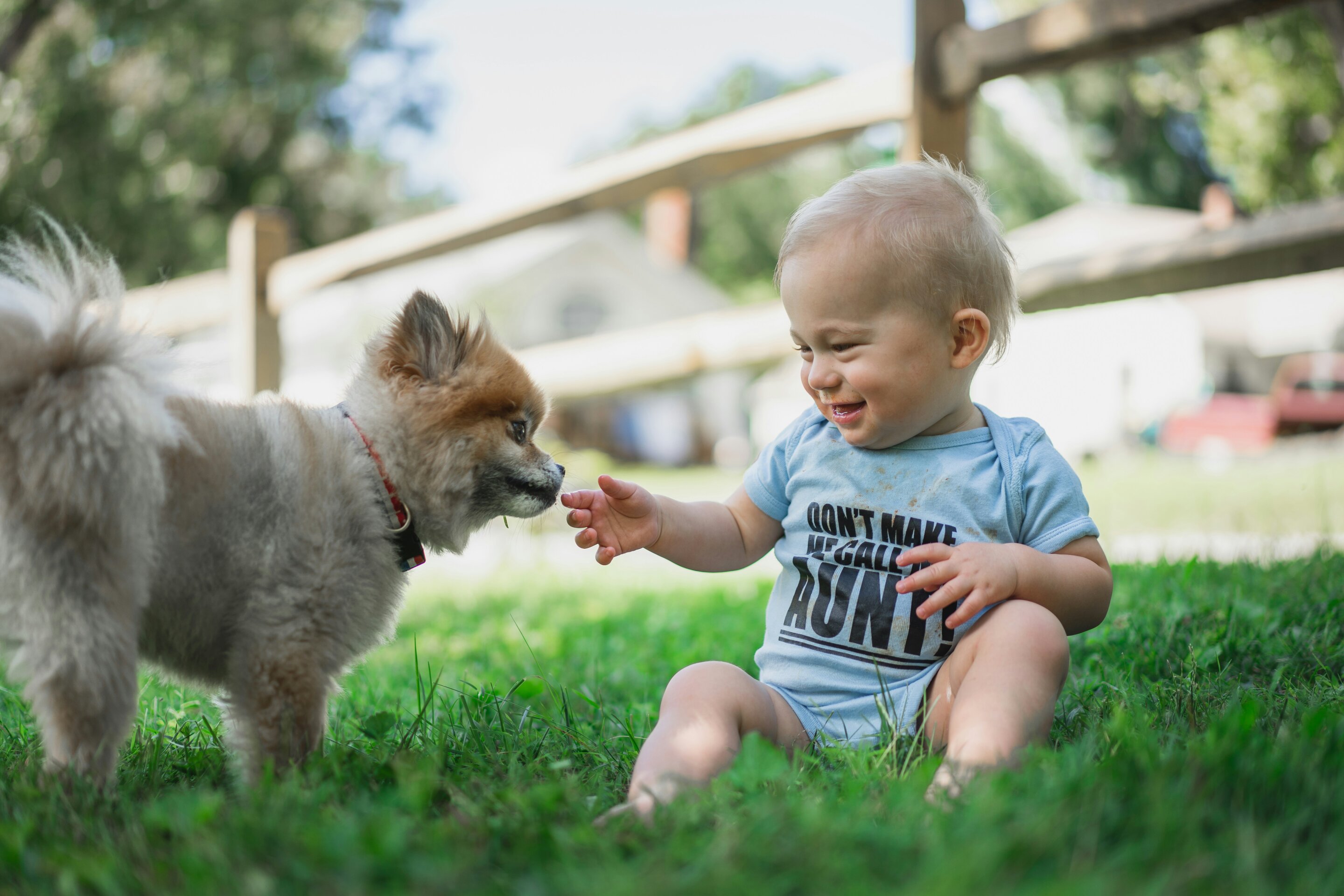
A Finnish study reports that babies exposed to certain dog-associated microbes at home had fewer respiratory tract infections and needed fewer antibiotic courses during their first year. The findings point to household microbiota as one possible reason children in dog-owning homes have appeared healthier in early childhood, according to the University of Eastern Finland.
The research was conducted by the Finnish Institute for Health and Welfare, Kuopio University Hospital and the University of Eastern Finland. The study was published in Pediatric Allergy and Immunology.
The LUKAS study included nearly 400 Finnish families, according to the University of Eastern Finland. About one-third of participating families lived on farms, half lived in rural areas and the remaining families lived in towns.
Specific microbes, not overall diversity, stood out
The researchers found that homes with dogs had richer and more diverse microbial communities than homes without dogs, according to the University of Eastern Finland. Those broad features, however, were not linked to children’s infection rates or overall illness during infancy.
Instead, the study tied the apparent benefit to particular dog-associated microbes, or combinations of them. According to the University of Eastern Finland, those microbes could explain up to one-quarter of the protective association between dog ownership and fewer respiratory tract infections, lower antibiotic use and more healthy weeks in a child’s first year.
The association remained after the researchers accounted for other factors that can affect infection risk in young children, including family size, the living environment and exposure to tobacco smoke, the university said.
Dog ownership may change the home environment
The study did not examine every possible explanation for differences between dog-owning and non-dog-owning households. The University of Eastern Finland said other factors may include a more outdoor-oriented lifestyle among families with dogs, shared duties tied to pet care and partly similar dietary habits among dog owners.
Those patterns could also shape microbes in the home and in the people living there, according to the university. The researchers did not test those factors in this study.
Jenni Mäki, a pediatrician and doctoral researcher at the University of Eastern Finland, said the findings support the idea that the microbial environment in early life helps shape immune system development. She said dog ownership may already be altering home microbiota in ways that promote health.
Anne Karvonen, a chief researcher, said early respiratory tract infections are a significant risk factor for asthma. She said that if dog-associated microbes prevent some of those infections, they may also lower the child’s later asthma risk.
The study adds detail to earlier research connecting animal exposure and child health, but it does not show that getting a dog will prevent infections in any individual child. The findings identify a possible biological pathway: microbes associated with dogs may spread through the home and influence infants’ early immune defenses, according to the research team.
This story draws on original reporting from Medical Xpress.