
Digital divide may leave climate-anxious youth out of research
A BMJ Mental Health paper says poor internet access can exclude vulnerable young people from studies and online mental health support.
By Tom Brennan · Health & Medicine Correspondent
2 min read
Young people in countries highly exposed to climate change may be missing from research on its mental health effects because they lack reliable internet access, according to a new paper in BMJ Mental Health. The finding matters because online studies and digital support services increasingly shape what researchers and policymakers know about climate-related distress.
The paper, led by researchers including Kristina Zeljic and colleagues, examined publicly available information on climate vulnerability and internet access. Queen Mary University of London said the researchers found that populations facing the greatest climate risks often have the weakest access to electricity and connectivity, limiting their ability to join online research or use web-based mental health help.
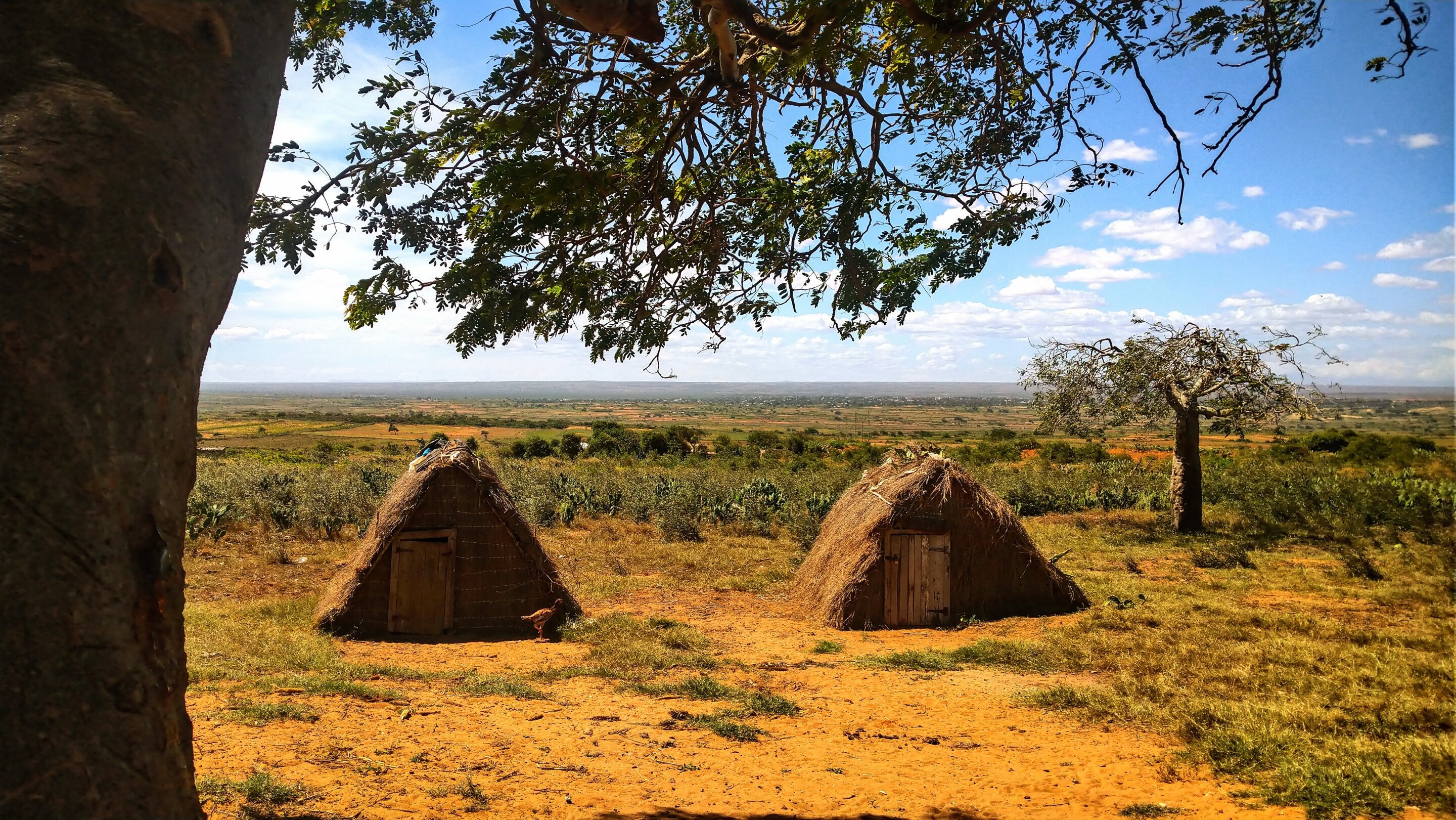
The work builds on earlier research on young people in southern Madagascar, a region affected by extreme heat and other climate pressures. Queen Mary University of London said that study reported high levels of climate-related anxiety and depression among adolescents, linked to uncertainty about the future, loss of household resources and disruption of coping strategies.
Researchers cited the experience of a young person from Madagascar’s Bongolava region, who described how extreme heat can threaten a family’s harvest and, with it, plans for the following year. The participant told researchers that when production falls short, people lose the means to prepare for the next season and feel the climate changing in ways that affect their future.
Isabelle Mareschal, a professor of visual cognition at Queen Mary University of London and a co-author of the paper, said the shift toward online research and services since the COVID-19 pandemic has had consequences for equity. She said the team’s analysis suggests that people most exposed to climate harms are also among those least able to connect to the internet.
That gap can affect both care and evidence, Mareschal said. If people in climate-vulnerable communities cannot easily take part in digital studies, she said, the research used to design policies and interventions may be less suited to those most in need.
Dr. Nambinina Rasolomalala of the Catholic University of Madagascar said climate and mental health is one example of a broader research problem. He said online testing has helped researchers reach more groups, but it can also tilt evidence toward wealthier and better-connected populations.
The paper, titled “Unheard voices: the overlooked mental health toll of climate change in vulnerable communities,” was published in BMJ Mental Health. Queen Mary University of London said the study highlights a need to consider digital exclusion when assessing the mental health burden of climate change, particularly among adolescents in lower-income countries.
This story draws on original reporting from Medical Xpress.