
Dengue memory B cells can be infected by virus, study finds
Researchers found dengue can enter and replicate inside memory B cells, revealing a possible new route around immune defenses.
By Priya Raghavan · Science Reporter
3 min read
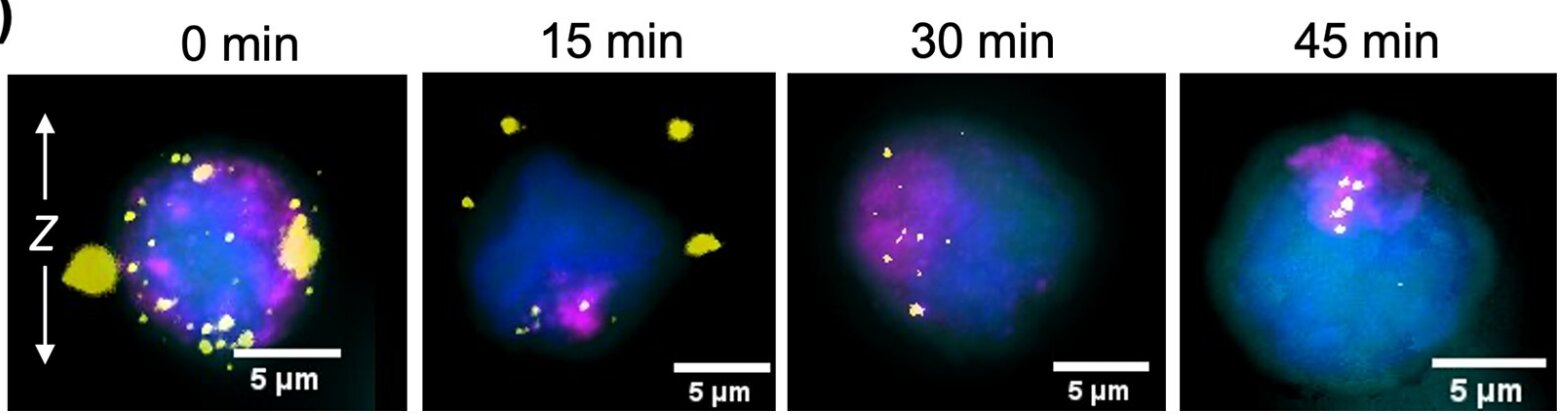
Researchers say dengue memory B cells can be infected by the virus they are supposed to help the body fight, a finding that may change how scientists study severe dengue. The work, from the University of Vermont’s Robert Larner, M.D. College of Medicine and Upstate Medical University, was published July 20 in the Journal of Virology.
The team reported that dengue virus can enter and replicate inside memory B cells, a class of immune cells formed after an infection and retained for years. According to the researchers, the discovery points to a previously unrecognized way dengue may get around immune defenses.
Dengue is spread by tropical mosquitoes and includes four virus types, known as DENV1 through DENV4. The University of Vermont said the virus infects an estimated 100 million people each year, while more than 4 billion people live in areas where dengue-carrying mosquitoes are found.
Can dengue infect memory B cells?
Yes, according to the study. The researchers found that dengue-specific memory B cells could be infected by all four dengue virus types and could produce infectious virus.
Memory B cells are immune cells that persist after an initial infection and help the body recognize a pathogen if it appears again. Because they can last for years, the researchers said they may be exposed during a later infection with a different dengue strain.
The study was carried out in the laboratories of Sean Diehl, professor of microbiology and molecular genetics at the University of Vermont, and Adam Waickman, associate professor of microbiology and immunology at Upstate Medical University in Syracuse, New York. Gaby Madrigal, a University of Vermont graduate student, and Chad Gebo, an Upstate staff scientist and recent Ph.D. graduate, co-led the work.
Scientists have known that a prior dengue infection can make a later infection with another strain more dangerous in some cases. That process, called antibody-dependent enhancement, occurs when antibodies from the first infection attach to a second strain without stopping it and instead help it enter certain immune cells, according to the researchers.
Diehl and Waickman’s groups had previously identified another possible route into B cells. They reported that dengue could use the B cell receptor, a surface molecule that helps B cells recognize pathogens, in a process they called B cell receptor-dependent enhancement.
Why could this affect dengue treatment?
Using microscopy methods with Menelaos Symeonides, an assistant professor at the University of Vermont, the team observed dengue entering the cells. The researchers also identified possible weak points by studying molecular signaling pathways triggered by the B cell receptor that are needed for infection.
Diehl said the trainees produced “high-quality data” in an area where showing something new is difficult. He also said the work challenges assumptions about dengue’s interaction with the immune system and opens new paths for understanding disease and possible interventions.
The University of Vermont said there are no approved drugs that specifically target dengue virus, and dengue vaccines continue to face challenges in broad use and effectiveness across populations. The researchers noted that some drugs aimed at B cells are already approved for cancers and autoimmune diseases, raising the possibility that related approaches could be studied for dengue.
Future strategies could include treatments meant to remove or change high-risk memory B cells after a first dengue infection, the researchers said. The goal would be to reduce the risk of severe disease if a person later encounters another dengue strain.
This story draws on original reporting from Medical Xpress.