
Cyclosporiasis symptoms can last weeks as U.S. outbreak tops 4,100 cases
CDC data show more than 4,100 U.S. cases in 2026; immunologists explain why the parasite hits some patients harder.
By Priya Raghavan · Science Reporter
3 min read
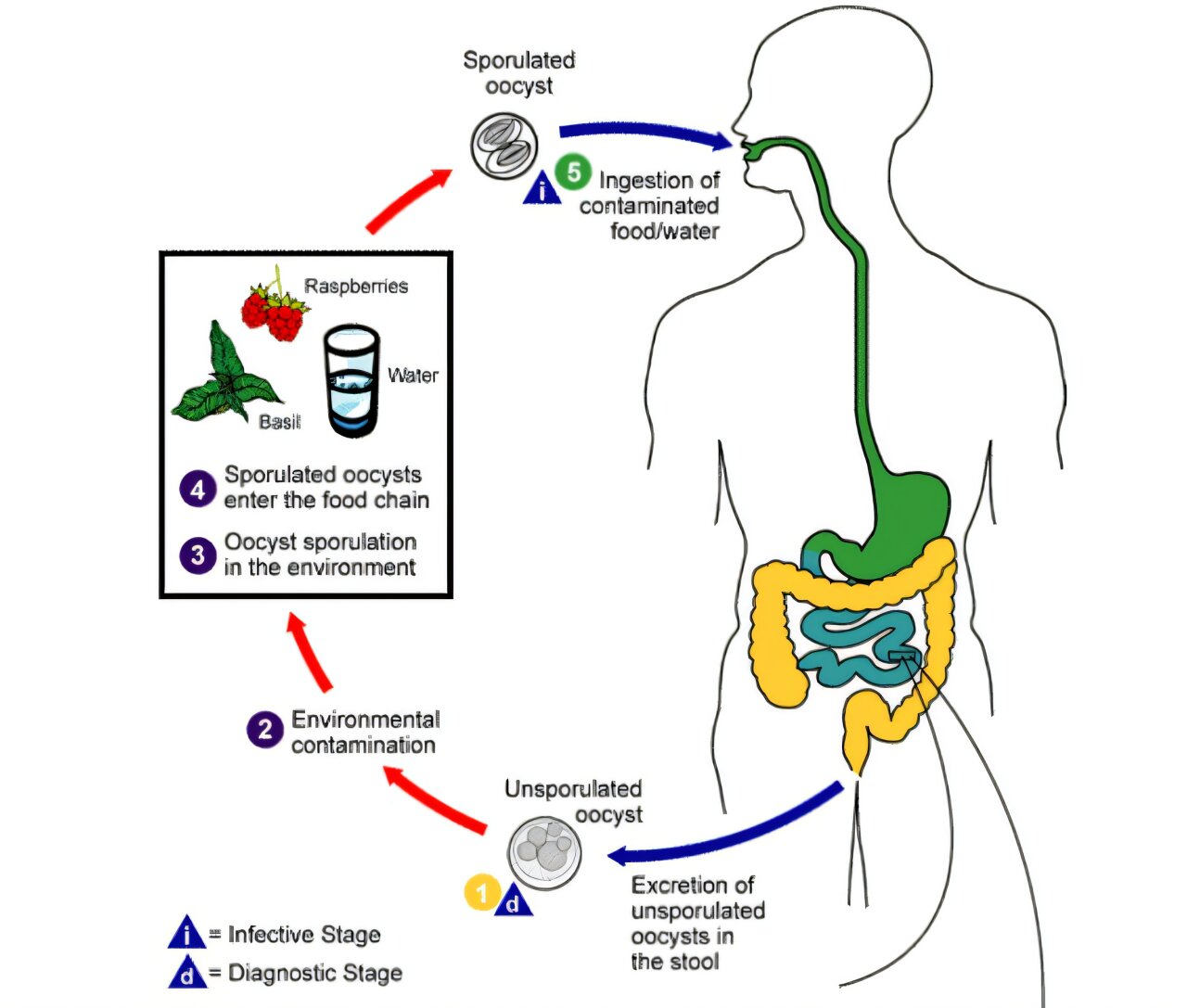
Cyclosporiasis symptoms can range from a short bout of diarrhea to weeks of illness, and the difference often comes down to how a person’s immune system reacts. The question has gained urgency during a 2026 U.S. outbreak that has sickened more than 4,100 people as of July, according to the Centers for Disease Control and Prevention.
Public health officials have linked a major cluster of illnesses to contaminated produce imported from Mexico, The Conversation reported. The illness is caused by Cyclospora cayetanensis, a microscopic parasite that can be swallowed in contaminated food or water, according to the CDC.
What are cyclosporiasis symptoms?
Cyclosporiasis can cause diarrhea, loss of appetite, gas, stomach cramps, nausea, fatigue, body aches and fever, according to immunologists Azadeh Nasuhidehnavi and Wesley Kufel writing in The Conversation. Symptoms often appear about a week after exposure, the CDC says.
The delay occurs because Cyclospora needs time to develop and multiply enough to injure the lining of the small intestine, The Conversation reported. Even after the parasite is brought under control, inflammation and tissue repair in the gut can leave some people feeling sick for several weeks.
Why does Cyclospora make some people sicker?
Nasuhidehnavi and Kufel wrote that Cyclospora does not mainly harm people by releasing tissue-damaging toxins, the way some bacteria do. Instead, it enters cells that line the small intestine, and many symptoms are driven by the body’s attempt to fight the parasite.
In healthy people, helper T cells play a central role in that defense, according to The Conversation. These immune cells release interferon-gamma, a chemical signal that helps infected tissues slow or stop the parasite from multiplying inside cells.
That immune response can clear the infection in many otherwise healthy adults. But it can also cause inflammation in the intestinal lining, which helps explain why diarrhea and other symptoms can continue after the parasite has been reduced or eliminated.
Who is at higher risk?
Young children, older adults and people with weakened immune systems face a higher risk of severe or prolonged cyclosporiasis, according to The Conversation. In people whose immune defenses are impaired, the body may have fewer effective T cells and weaker interferon-gamma signaling, allowing the parasite to keep reproducing.
The Conversation reported that infections in those patients can involve heavier parasite burdens, longer illness, repeated relapses and a greater risk of complications. Prolonged diarrhea can lead to dehydration and malnutrition, and severe dehydration can become life-threatening in rare cases, especially for infants.
Children under 5 can be hit hard in places where Cyclospora is common because their immune systems are still developing and they may not have encountered the parasite before, according to Nasuhidehnavi and Kufel. They cautioned that intentional exposure is dangerous and should not be compared with vaccination.
Older adults also have added risk because immune function declines with age, The Conversation reported. The thymus, an organ involved in producing infection-fighting immune cells, becomes less active over time, and existing T cells may become less effective.
How is cyclosporiasis diagnosed and treated?
There is no vaccine to prevent cyclosporiasis, according to the CDC and The Conversation. Diagnosis is made through stool testing, which can also help rule in or rule out other causes of infectious diarrhea.
The CDC recommends treatment with an antibiotic that is typically taken for seven to 10 days. For people at higher risk, The Conversation reported, early diagnosis and treatment can help the body clear the parasite and reduce the chance of complications.
This story draws on original reporting from Medical Xpress.