
ICC receives European Parliament’s 2026 Sakharov Prize
The European Parliament honored the ICC and its staff as the court faces U.S. sanctions set to take full effect after a six-month wind-down.
By Lucas Ferreira · Science & Environment Writer
2 min read
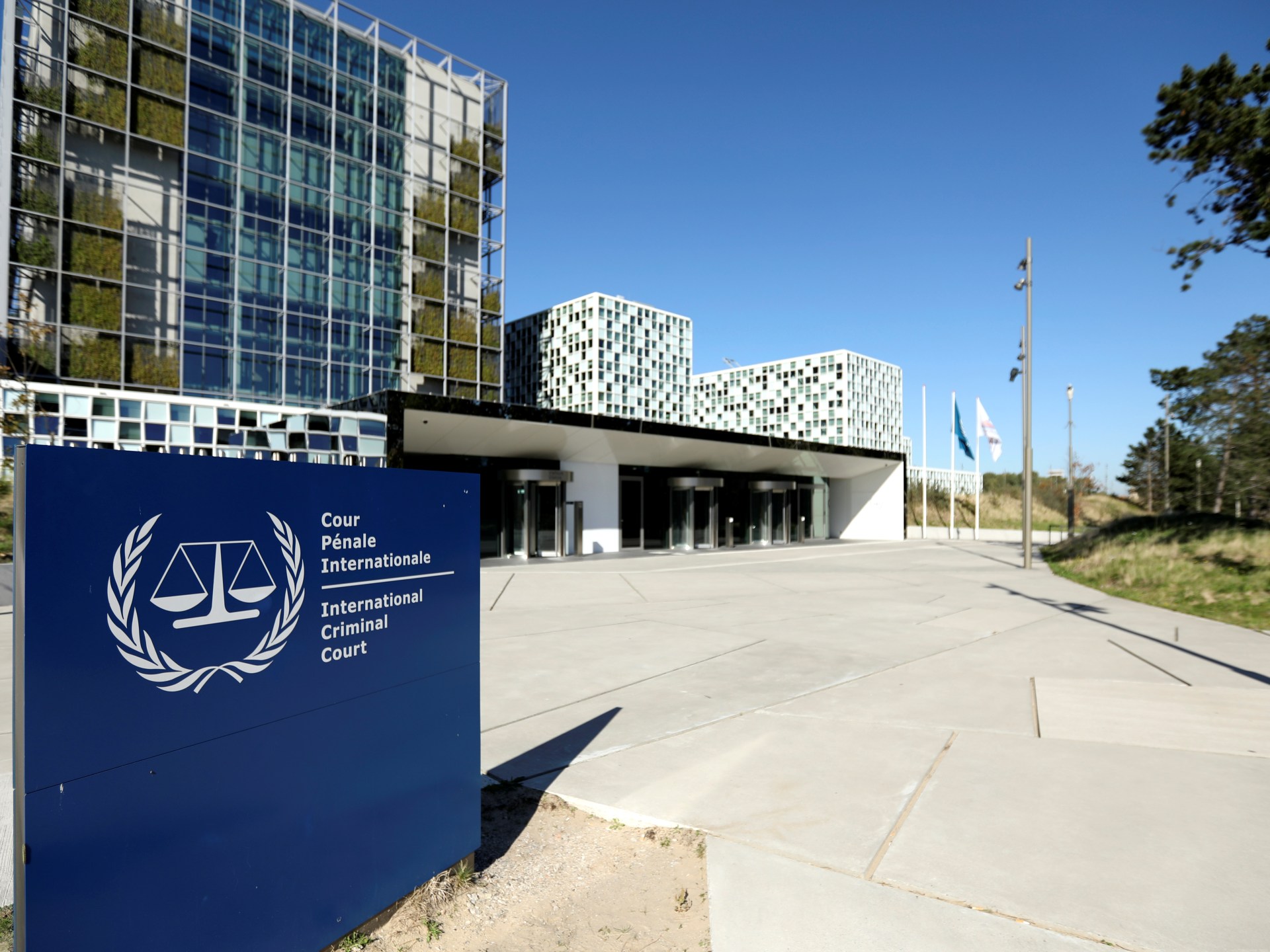
The European Parliament awarded its 2026 Sakharov Prize to the International Criminal Court and its staff on Oct. 22, recognizing the Hague-based tribunal as it faces newly announced U.S. sanctions. The ICC Sakharov Prize 2026 decision signals European political support while the European Union weighs steps to limit the sanctions’ effect on the court’s operations.
European Parliament President Roberta Metsola said the award recognized the court’s work upholding international law and justice. ICC President Tomoko Akane said the honor came as the court and its officials confront “unprecedented challenges,” according to reporting by Al Jazeera and the Associated Press.
What is the Sakharov Prize?
The Sakharov Prize for Freedom of Thought is the European Parliament’s annual award for people or groups defending human rights and fundamental freedoms. Created in 1988, it is named for Soviet dissident Andrei Sakharov.
The ICC was chosen from a final group that also included Tanzanian opposition leader Tundu Lissu and Iranian sisters Taraneh and Romina Rahimi, who represented people prosecuted by Iran’s government, according to RFI and AP reporting. The award ceremony is scheduled for December.
How do the U.S. sanctions affect the ICC?
The Trump administration announced sanctions against the court earlier this month. AP reported that the measures restrict the ICC’s access to U.S.-based financial services, technology companies and the U.S. dollar, with a six-month period for U.S. companies and individuals to wind down business with the tribunal.
AP reported that the sanctions are part of a U.S. campaign against the court over its investigations involving the United States and its allies, including Israel. The ICC has jurisdiction over war crimes, crimes against humanity, genocide and the crime of aggression.
EU leaders have urged Washington to reverse the measures and said the six-month delay leaves room for diplomacy. They also directed the European Commission to consider initiatives to protect the court and help European companies continue providing services to it, AP reported.
According to Al Jazeera and RFI, Brussels has said it is prepared to take necessary measures to help the court keep operating and is considering use of an EU blocking statute, which could limit compliance with the U.S. measures. European Commission President Ursula von der Leyen said the court must be able to carry out its mission independently and without pressure or intimidation.
This story draws on original reporting from Al Jazeera.