
Crohn disease joint infection risk rises after arthroplasty, study finds
A claims-data study found Crohn disease, but not ulcerative colitis, was tied to higher infection risk after total joint replacement.
By Priya Raghavan · Science Reporter
3 min read
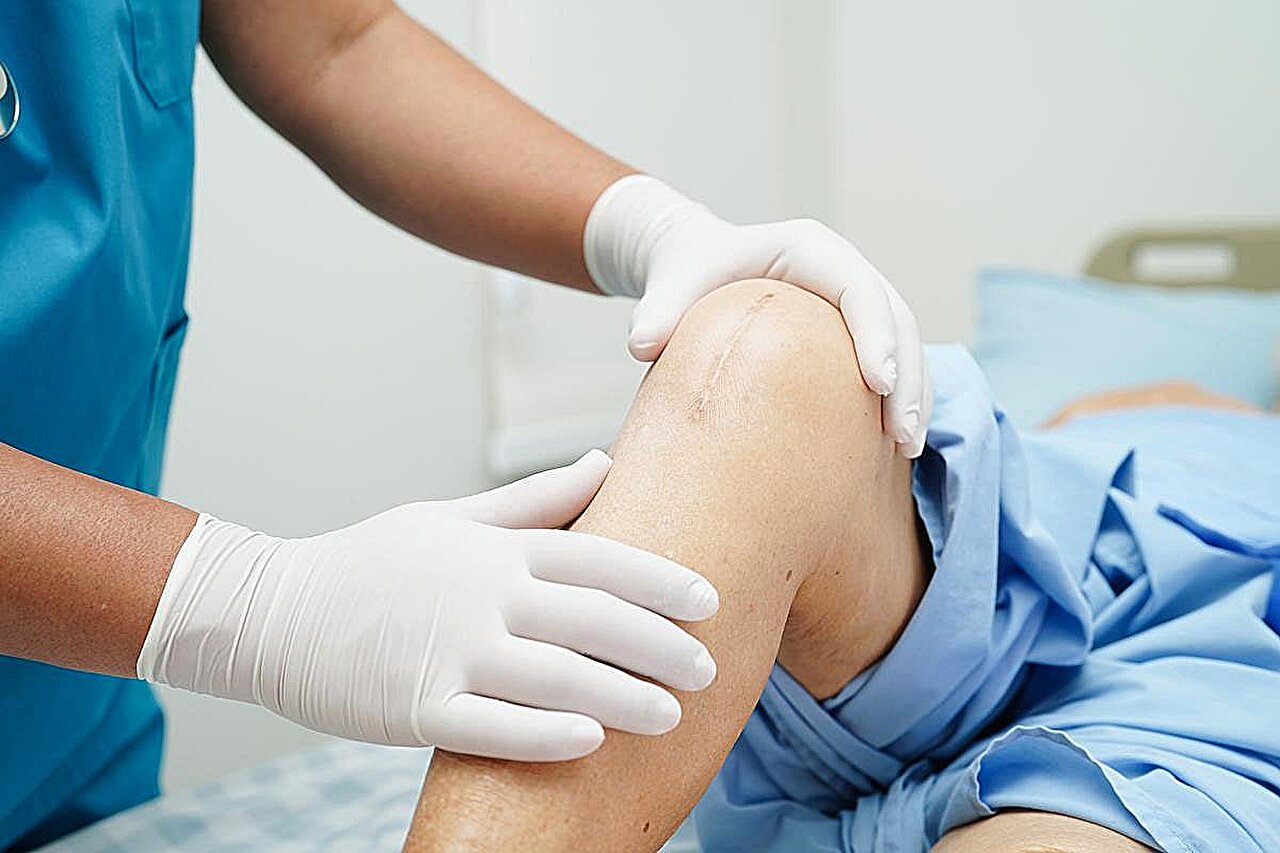
Crohn disease joint infection risk after total joint arthroplasty was higher than in matched patients without the condition, according to a study published in the August issue of Arthroplasty Today. The finding matters for patients planning hip, knee or other joint replacement surgery because periprosthetic joint infection is a serious postoperative complication.
McKenzie W. Culler, M.D., of the Keck School of Medicine of the University of Southern California in Los Angeles, and colleagues used an all-payer claims database to compare infection rates after total joint arthroplasty among patients with inflammatory bowel disease and matched controls.
Periprosthetic joint infection refers to infection involving the tissues around an implanted joint prosthesis. Total joint arthroplasty is surgery to replace a damaged joint with an artificial implant.
Does Crohn disease raise joint replacement infection risk?
The researchers reported that patients with inflammatory bowel disease overall did not have a meaningfully higher periprosthetic joint infection rate than controls. Infection occurred in 0.71% of patients with inflammatory bowel disease and 0.61% of controls, according to the study.
The results changed when the investigators separated Crohn disease from ulcerative colitis. Among patients with Crohn disease, the infection rate was 0.86%, compared with 0.62% among matched controls, the researchers found.
After adjustment for confounding factors, Crohn disease was associated with increased odds of periprosthetic joint infection, with an adjusted odds ratio of 1.38, according to Culler and colleagues. The study did not find an increased risk in the ulcerative colitis group or in the combined inflammatory bowel disease cohort.
How the study compared patients
The investigators matched 10,040 patients with inflammatory bowel disease to 70,203 controls. In separate analyses, they matched 5,474 patients with Crohn disease to 38,230 controls and 4,555 patients with ulcerative colitis to 31,865 controls.
For ulcerative colitis, the periprosthetic joint infection rate was 0.53%, compared with 0.64% in matched controls, according to the study. The researchers said the differing results between Crohn disease and ulcerative colitis suggest that the two conditions may carry different infectious risks after arthroplasty.
Inflammatory bowel disease includes disorders marked by chronic inflammation of the gastrointestinal tract. Crohn disease and ulcerative colitis are the main types, but they affect the gut differently and can have different disease patterns.
What the authors say surgeons should consider
The authors wrote that the findings support preoperative risk assessment and optimization for patients with Crohn disease before arthroplasty. They also called for more research into how biological differences between Crohn disease and ulcerative colitis may affect infection risk.
In particular, the authors pointed to dysbiosis and increased gastrointestinal tract permeability as areas for future study. Dysbiosis refers to an imbalance in microbial communities, and the authors linked it as a possible factor to examine in relation to infectious risk.
Several study authors disclosed relationships with pharmaceutical and medical device companies, according to the report. The study was titled “Inflammatory Bowel Disease and Periprosthetic Joint Infection Following Total Joint Arthroplasty: Crohn's Disease and Ulcerative Colitis Associated With Varying Risk.”
This story draws on original reporting from Medical Xpress.