
Conflict tied to higher measles burden across 193 countries
A PLOS Medicine study found armed conflict was associated with more measles cases, with effects lasting after fighting eased.
By Priya Raghavan · Science Reporter
3 min read
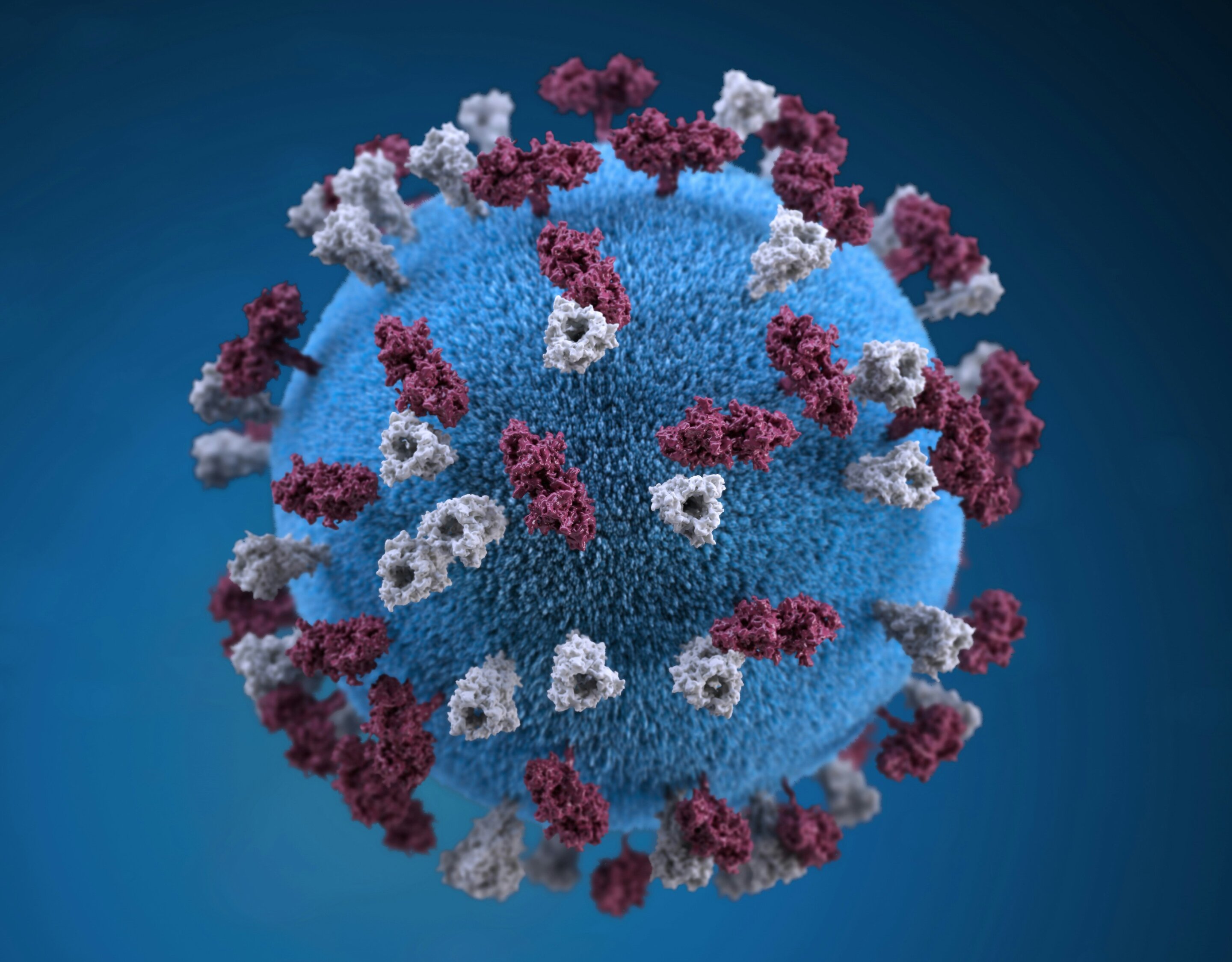
Armed conflict is associated with higher measles case counts worldwide, according to a study published in PLOS Medicine. The finding matters for public health officials because the study suggests violence can raise disease risk both by interrupting vaccination and by weakening the social and economic conditions that help prevent outbreaks.
The research, led by Tyler Y. Headley and colleagues and reported by New York University, analyzed country-level data from 193 nations from 2000 through 2023. The team examined battle-related deaths, population displacement, economic output, life expectancy and education, then compared those measures with reported measles totals and measles incidence per million people.
The researchers found that countries with higher conflict levels, measured through battle-related deaths, tended to report more measles cases. According to the study, about 3,700 battle-related deaths in a country in a given year were associated on average with roughly 2,500 additional reported measles cases.
Measles is preventable through vaccination, but the study says conflict can disrupt the systems that keep vaccine coverage high. New York University said outbreaks of vaccine-preventable disease in violent settings can be linked to weakened health services, missed routine shots and population movement.
Yesim Tozan, an associate professor of global health at NYU's School of Global Public Health and the study's senior author, said reports from conflict zones often describe polio outbreaks or renewed measles transmission. She said linking conflict records with public health data is difficult, even though policymakers need to understand how shocks such as war, disasters and pandemics can increase infectious disease burdens.
Indirect damage appeared to be the stronger pathway
The study used four statistical models to test how conflict, displacement and socioeconomic development related to measles. According to the researchers, conflict had direct links to measles risk, but the stronger pathway ran through broader socioeconomic damage.
Armed conflict and displacement were each associated with lower socioeconomic development, and that decline was strongly tied to higher measles burden, the study found. In some models, displacement appeared to affect measles mainly through its relationship with lower socioeconomic development rather than through a direct effect.
Tozan said health system resilience depends in part on a country's level of socioeconomic development. In practical terms, the study indicates that violence can damage the conditions needed to keep clinics operating, children in reach of routine immunization and communities protected against preventable disease.
The association between conflict and measles did not end as soon as active fighting subsided, according to the researchers. They found the elevated risk could persist into the following year, suggesting that health impacts may continue after violence has eased.
The authors said the findings point to several public health priorities in conflict-affected areas: keeping vaccination services operating during violence, reaching displaced people and including them in immunization efforts, and supporting the broader systems that protect health over time.
Tozan said conflict settings can lose infrastructure, health workers and public trust. She said lifesaving services need to continue during violence, while recovery requires sustained investment so health systems can regain capacity.
This story draws on original reporting from Medical Xpress.