
ClairS improves cancer mutation detection with synthetic tumor data
HKU researchers say ClairS uses synthetic tumor-normal data to improve long-read detection of small cancer mutations across cancer types.
By Tom Brennan · Health & Medicine Correspondent
2 min read
Researchers at The University of Hong Kong say ClairS cancer mutation detection improved the accuracy of finding small tumor mutations in long-read sequencing data, a step that could help cancer genomics work in difficult-to-read parts of the genome.
The deep-learning algorithm, called ClairS, was described in a peer-reviewed paper in Nature Methods. HKU said the tool performed well across cancer cell line datasets and different sequencing conditions, including tests involving breast cancer, lung cancer, melanoma and pancreatic cancer cell lines.
What is ClairS?
ClairS is an artificial intelligence method built to call somatic small variants from long-read tumor-normal sequencing pairs. Somatic mutations are genetic changes found in tumor cells but absent from healthy cells, and detecting them accurately is central to cancer research and precision medicine.
The HKU team said many mutation-detection tools were designed for short-read sequencing, which can have trouble in structurally complex regions of the human genome. Long-read sequencing reads longer stretches of DNA, giving researchers a better chance of seeing variants in regions that shorter reads may not resolve.
How the team trained the AI with limited cancer data
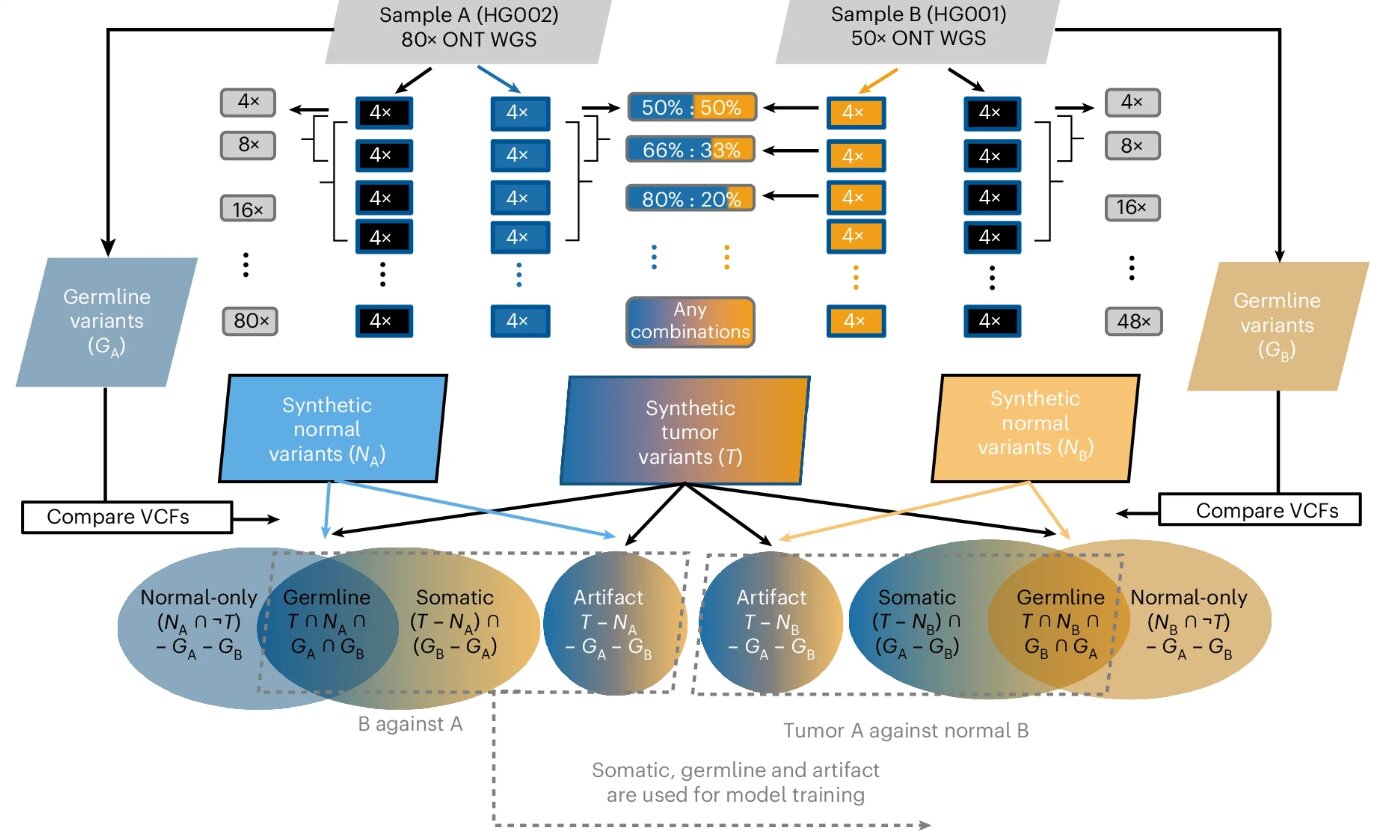
A major barrier for medical AI is access to large, well-labeled cancer datasets. According to HKU, the ClairS team addressed that problem by combining sequencing data from normal human samples to create synthetic tumor-normal training examples.
That approach let the researchers generate large numbers of realistic cancer-like cases for training, HKU said. The synthetic data could vary tumor purity, sequencing depth and mutation levels, giving the model exposure to conditions it may encounter in real cancer genome analysis.
The study was led by Professor Ruibang Luo, assistant director of Learning Experience and Student Enrichment and associate head of the Department of AI and Data Science at HKU’s School of Computing and Data Science. Luo said long-read sequencing is changing cancer genome research, especially in genomic regions that were difficult to analyze, and that ClairS can train strong AI models when real cancer training data is scarce.
Where ClairS has been tested
HKU said ClairS showed high accuracy in detecting small cancer mutations across multiple cell line datasets. The reported testing covered several cancer types and sequencing conditions rather than a single tumor model.
The algorithm has also been integrated into Oxford Nanopore Technologies’ official somatic variant-calling workflow, according to HKU. That placement puts ClairS inside a commercial analysis pipeline used for long-read sequencing data.
ClairS is available as open-source software on GitHub. The Nature Methods paper is titled “ClairS: a deep-learning method for long-read tumor–normal pair somatic small variant calling,” with DOI 10.1038/s41592-026-03152-4.
This story draws on original reporting from Medical Xpress.