
C-section and maternal allergy history tied to child hay fever risk
A case-control study found higher allergic rhinitis odds among children born by C-section and those whose mothers had allergic disease histories.
By Tom Brennan · Health & Medicine Correspondent
3 min read
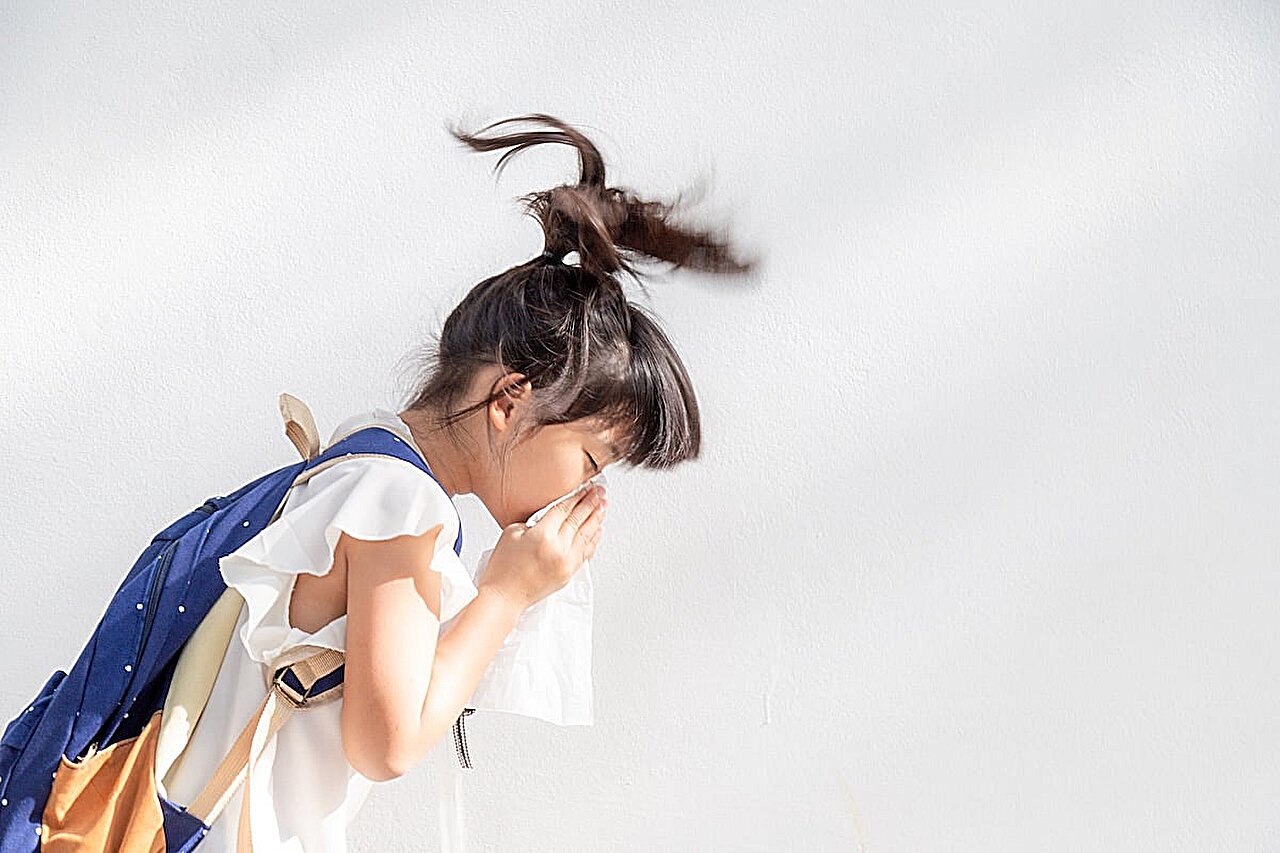
Children may face higher odds of allergic rhinitis if they were delivered by cesarean section or if their mothers had a history of allergic diseases, according to a new case-control study. The findings add to research on how birth factors and family allergy patterns may be associated with childhood airway and nasal allergies.
The study, published online June 20 in the International Journal of Pediatric Otorhinolaryngology, was conducted by Zixin Liu of Xiangtan Medicine & Health Vocational College in China and colleagues. The researchers examined whether cesarean section and maternal history of allergic diseases were linked separately, and together, with allergic rhinitis in children.
Allergic rhinitis is commonly associated with symptoms such as nasal allergy, though the study summary did not list specific symptoms among the children enrolled. The research was designed as a case-control study, meaning it compared children diagnosed with allergic rhinitis with children who did not have a history of the condition.
Study compared children with and without allergic rhinitis
The researchers enrolled 478 children in all. The case group included 239 children diagnosed with allergic rhinitis, while the control group included 239 children without a history of allergic rhinitis, according to the study summary.
Cesarean delivery was more common among children in the allergic rhinitis group. Liu and colleagues reported that 50.7% of children with allergic rhinitis had been delivered by cesarean section, compared with 35.1% of children in the control group.
A maternal history of allergic disease also appeared more often in the allergic rhinitis group. The researchers reported that 36.8% of mothers of children with allergic rhinitis had such a history, compared with 27.6% among mothers of children in the control group.
Combined factors showed stronger association
After analysis, the study authors identified both cesarean section and maternal allergic disease history as independent risk factors for allergic rhinitis in offspring. They reported odds ratios of 1.916 for maternal cesarean section and 1.585 for maternal allergic disease history.
The researchers also found evidence that the two factors interacted. They reported a multiplicative interaction odds ratio of 3.472, and said the combined effect was associated with a 5.619-fold higher risk of allergic rhinitis in offspring.
Because the study was case-control in design, the findings show an association rather than proving that cesarean delivery or maternal allergic disease history causes allergic rhinitis. The study summary did not include details on other possible risk factors or adjustments beyond the reported odds ratios.
Liu and colleagues said the two maternal factors appeared to work together in influencing allergic rhinitis risk in children. They recommended that women of reproductive age with allergic disease histories receive counseling before pregnancy and guidance on delivery methods.
The authors also said clinical practice should strictly control the indications for cesarean section and prioritize vaginal delivery for women with histories of allergic diseases when appropriate. Their recommendation was tied to the observed association between cesarean section, maternal allergic disease history and allergic rhinitis risk in children.
This story draws on original reporting from Medical Xpress.