
Spring break brings Florida’s highest holiday travel crash risk, study finds
A Risk Analysis study found Florida crash deaths and injuries rise more during spring break than during other holiday travel periods.
By Tom Brennan · Health & Medicine Correspondent
3 min read
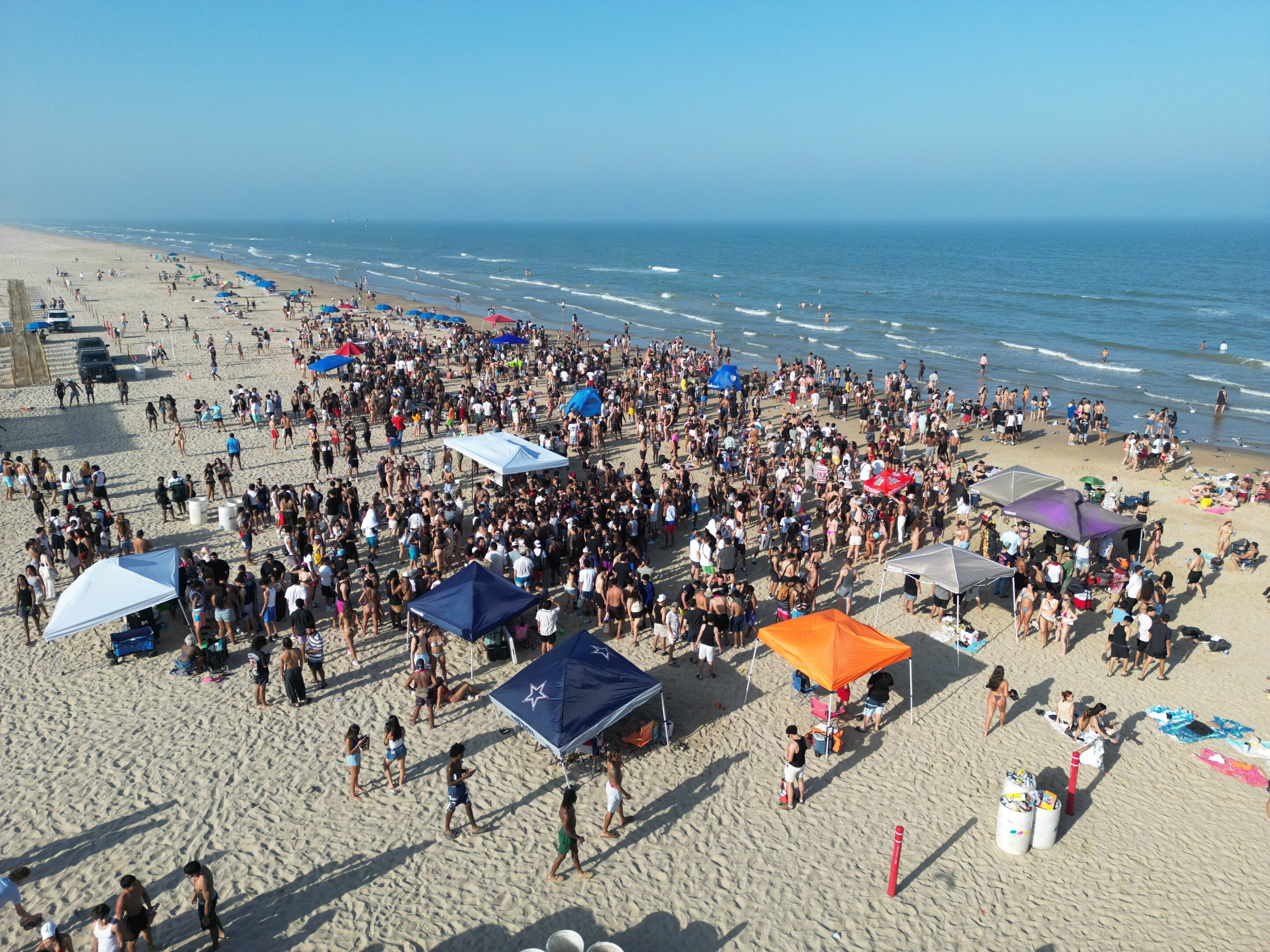
Spring break is the riskiest holiday travel period on Florida roads, according to a study published in Risk Analysis. The finding matters for a state that draws large numbers of visitors and already has traffic fatality rates that the researchers said exceed national averages.
The study was conducted by Michael T. French, professor and chair of the Department of Health Management and Policy at the University of Miami, and Gulcin Gumus, associate professor in the Department of Management Programs at Florida Atlantic University. The Society for Risk Analysis said the researchers reviewed county-level crash records from the Florida Department of Highway Safety and Motor Vehicles.
The analysis covered all 67 Florida counties from 2011 through 2022 and included more than 42,000 observations, according to the Society for Risk Analysis. The researchers compared the spring break period, defined as late February through early April, with the Thanksgiving-to-New Year’s Day stretch and other times of year.
Spring break stood out in the crash data
The study found that spring break brought higher risks for traffic deaths, nonfatal injuries and serious nonfatal injuries than other travel periods. The Thanksgiving-through-New Year’s Day period showed a similar increase in fatalities, but the researchers did not find a significant overall rise in nonfatal injuries during that winter holiday window.
For crashes involving younger drivers, the study found nonfatal injuries were lower during the Thanksgiving-to-New Year’s period. During spring break, however, younger drivers age 25 and under were among the groups with elevated risk, according to the researchers.
The study also found higher risks for out-of-state drivers and nonmotorists, including pedestrians and cyclists. Across those groups, fatal and nonfatal injury rates during spring break were estimated at 10% to 15% above baseline, the Society for Risk Analysis said.
Crashes involving out-of-state drivers showed the largest increase. The study estimated that fatal and nonfatal injury counts in those crashes were as much as 37% higher during spring break.
Alcohol was not the main signal
The researchers did not find a statistically significant spring break increase in alcohol-related crashes compared with other crash types. They said that points to traffic volume and visitors’ unfamiliarity with local roads as possible contributors, rather than intoxication alone.
The higher risks were strongest along Florida’s coast, according to the study. The researchers also found that the risk extended into nearby inland counties through travel corridors that connect with coastal destinations.
French and Gumus said the findings point to policies that go beyond drunk-driving enforcement. The Society for Risk Analysis said the researchers recommended measures such as expanded public transportation options and more road safety enforcement during spring break.
The researchers also cited recent Miami Beach actions as examples of a broader approach. Those measures included DUI checkpoints, a larger police presence and pedestrian protection zones, according to the Society for Risk Analysis.
This story draws on original reporting from Medical Xpress.