
WPP restructure targets £500 million in savings as job cuts loom
WPP’s Elevate28 plan will reorganize the ad group into four units as leaders try to rebuild culture and expand AI training.
By Daniel Okafor · Business Editor
3 min read
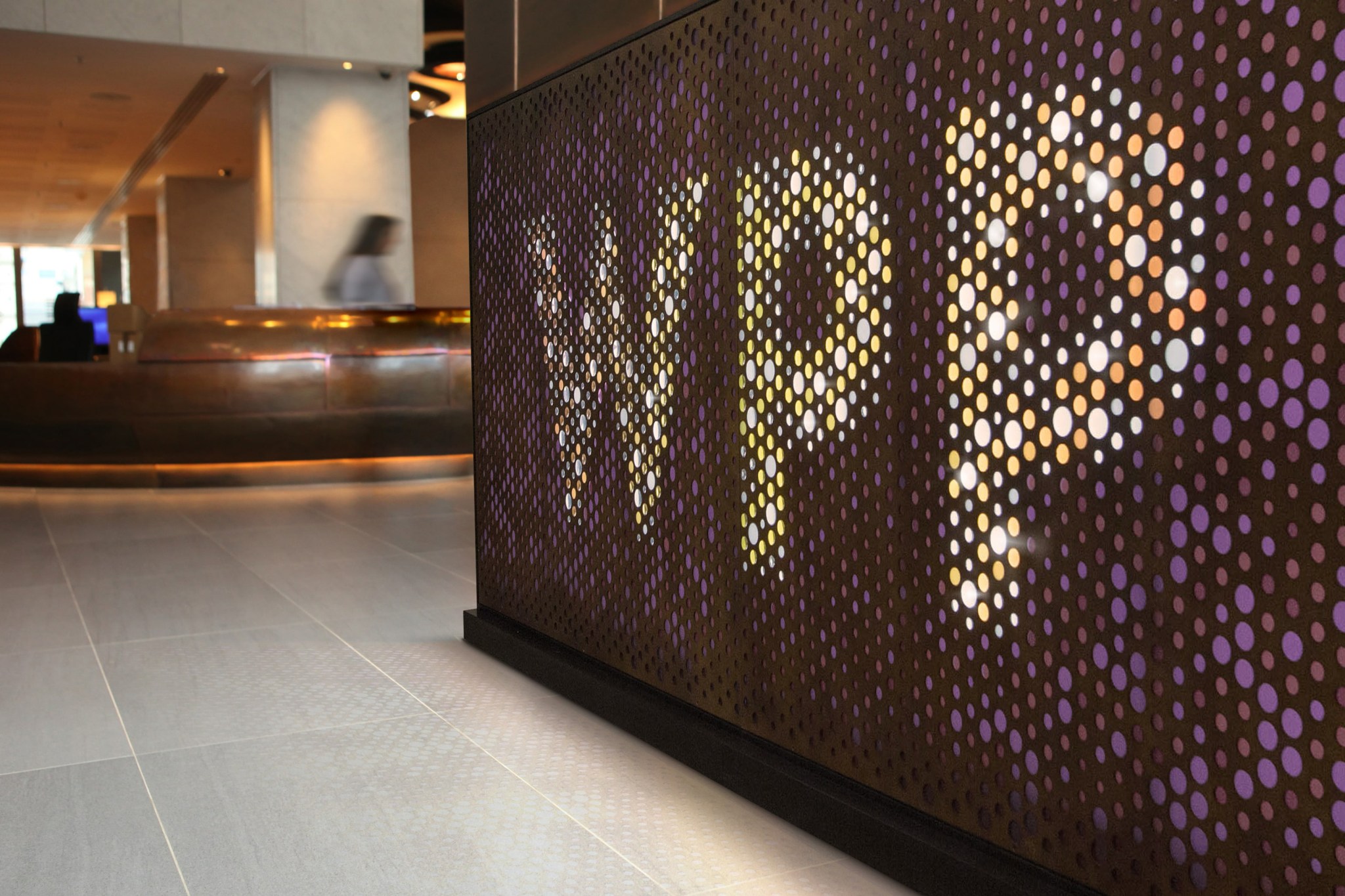
The WPP restructure now under way is aimed at cutting £500 million in costs by 2028, but the advertising group also faces a harder internal test: persuading staff to back another major overhaul. Cindy Rose, who became CEO in October 2025, took charge after profit warnings, falling revenue and the loss of major accounts including Coca-Cola’s North American business and Mars’ snacking and pet care work, according to Fortune.
WPP also fell out of the FTSE 100 two months after Rose’s appointment, ending a nearly three-decade run in the blue-chip index. Her 18-month plan, called Elevate28, would replace WPP’s holding-company model with one business organized around creative, media, production and enterprise solutions.
The restructuring is expected to cost £400 million and bring further job reductions by the end of the year, Fortune reported. WPP’s latest filings show headcount fell from 108,044 in 2024 to 98,655 at the end of 2025.
What is the WPP restructure?
WPP’s Elevate28 plan is an effort to fold a group long run as a collection of separate agencies into a single company with four main operating units. The company says the changes are designed to cut duplication, simplify back-office work and make the business easier to run.
To support the shift, WPP split its senior HR leadership. Mark Taylor joined from the Lego Group in April as global chief people officer, while Marie-Claire Barker moved into the new role of chief people officer for performance and culture.
Barker told Fortune that Taylor is handling the structural side of the transformation, while her role is focused on how staff and managers work through it. She said the conduct of leaders and teams will help determine whether the restructuring succeeds.
Return-to-office policy remains in place
The changes follow unrest over WPP’s return-to-office policy. Under former CEO Mark Read, employees were ordered to work from the office at least four days a week, and an online petition from “concerned WPP employees” seeking to reverse the policy drew more than 20,000 signatures.
Staff cited long commutes and concerns about the effect on disabled and neurodivergent employees, according to Fortune. Barker said the office policy will stay, but WPP is trying to explain more clearly why teams are being asked to work together in person.
Barker said WPP is tracking employee sentiment and that workers who come in daily score higher on satisfaction and engagement. Gallup polling cited by Fortune found only 10% of workers want to work onsite, while real estate firm JLL said more than half of Fortune 100 desk workers are now under fully in-office policies.
AI training is part of the culture push
WPP is also using its WPP Open platform for AI training and client work. Barker told Fortune that courses vary by seniority, including a creative-technology apprenticeship for entry-level employees, generative-AI fundamentals for mid-level staff and an AI and business diploma for executives.
So far, 12,000 employees have used the training and completed a combined 120,000 hours of learning, Barker said. She added that hands-on use has helped reduce fear about AI by showing staff how the tools can support ideas rather than replace them.
Mercer’s Global Talent Trends 2026 report found that executives often focus on AI integration and workforce redesign, while HR leaders tend to focus on employee experience and talent processes. The report warned that such gaps can slow company change.
WPP tries to build one company culture
Barker said WPP’s long history as a loose group of agencies makes the culture work difficult. A former Ogilvy employee, she told Fortune the company is trying to get about 90,000 people to move away from old agency habits and adopt a shared WPP culture.
That plan includes a single set of values across the company, broader internal career options and more training for managers. WPP is also running regular employee surveys and tying the results to client satisfaction data as it seeks to make culture a measurable part of management performance.
This story draws on original reporting from Fortune.