
World Cup jerseys put heat testing beside national symbols
Nike, Adidas and Puma built World Cup kits around player cooling needs and national identity, according to reporting by The Associated Press.
By Sofia Marchetti · World Affairs Correspondent
3 min read
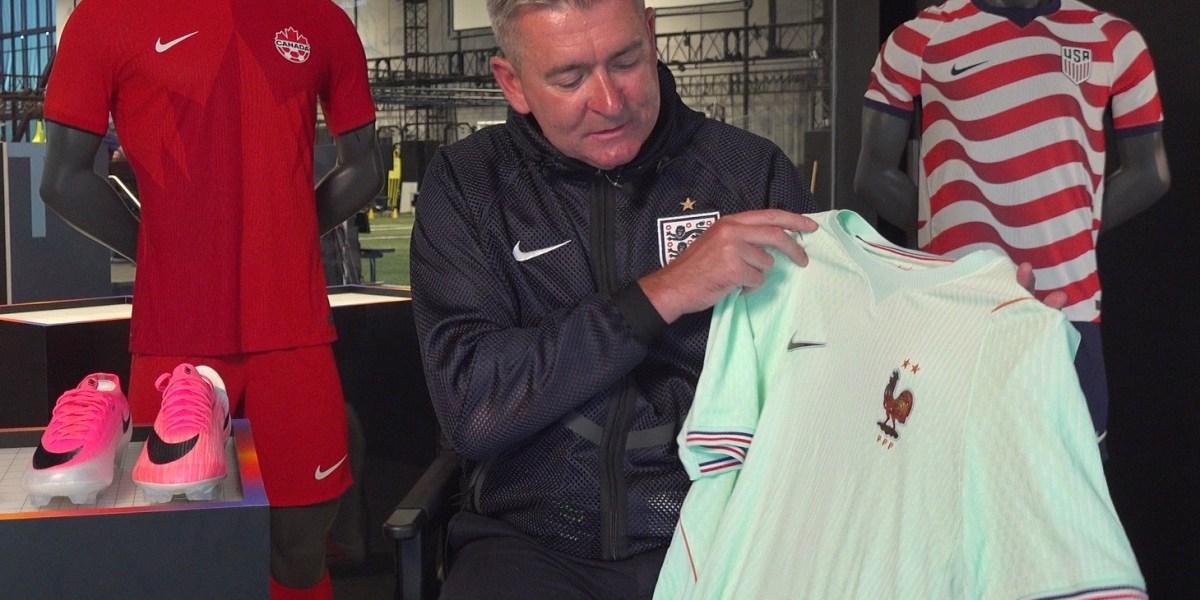
World Cup uniform makers have had to account for heat, rain delays and the heavy symbolism carried by national jerseys. The Associated Press reported that Nike, Adidas and Puma built many of this year’s kits around both player comfort and the images fans expect to see on their teams.
The tournament has included weather disruptions and temperatures near 90 degrees Fahrenheit, or 32 Celsius, in some host cities, according to AP. That has put fabric performance and cooling features high on the list for apparel companies supplying teams.
Nike designed kits for France, Brazil, the United States and Canada, among others, AP reported. Adidas made uniforms for defending champion Argentina, host nation Mexico and Colombia, while Puma supplied Portugal, Morocco and Senegal. AP reported that some other national teams are wearing kits from different manufacturers.
Lab work behind the shirts
Phil McCartney, Nike’s chief innovation, design and product officer, told AP the company worked with players, coaches and football federations to understand how uniforms affect performance. He said Nike also spoke with supporters about what national shirts mean to fans.
McCartney spoke to AP at Nike’s sports research lab near Portland, Oregon. The facility includes a 200-meter track, a small football field, a basketball court and hundreds of motion-capture cameras, according to AP.
AP reported that Nike also uses thermal chambers to study how heat and humidity affect apparel on people and robot mannequins. McCartney said the company studies movement in the kits, along with breathability, moisture control and how the fabric handles sweat.
For this World Cup, Nike developed a new jersey fabric that the company says is more breathable and made entirely from recycled materials, according to AP. McCartney said the knit structure uses mesh in selected areas to increase airflow and help players regulate temperature.
The rollout was not seamless. The Guardian reported earlier this year that shoulder seams on some Nike jerseys, including those worn by France and Uruguay, appeared to bulge during matches. Nike told AP it identified the problem before the World Cup and worked with federations so the kits would appear as intended.
National pride on display
AP reported that designers also built kits around national symbols meant to resonate with fans. McCartney said Nike drew from history, art, music and culture when looking for ways to connect uniforms to each country.
France’s away jersey uses a light green shade tied to the Statue of Liberty, which France gave to the United States in the late 19th century, according to AP. The inner tag includes the word “Liberté” inside an outline of the statue’s crown.
The front of France’s jersey includes a rooster, a symbol associated with the national team and the country, AP reported. It also carries two stars, marking France’s two World Cup titles.
France’s home jersey has a collar, as does Uruguay’s, according to AP. Nike told AP those choices came from the federations: France’s design refers to the country’s fashion history, while Uruguay sought a more traditional football look.
The United States and Canada kits also use familiar national imagery, AP reported. The U.S. home shirt features red and white horizontal stripes intended to recall a waving American flag, while Canada’s jersey displays a large maple leaf.
This story draws on original reporting from Fortune.