
Hormuz clashes put U.S.-Iran ceasefire under fresh strain
Fighting around the Strait of Hormuz is testing a recent ceasefire as Iran and the U.S. contest shipping routes through the Gulf.
By Sofia Marchetti · World Affairs Correspondent
3 min read
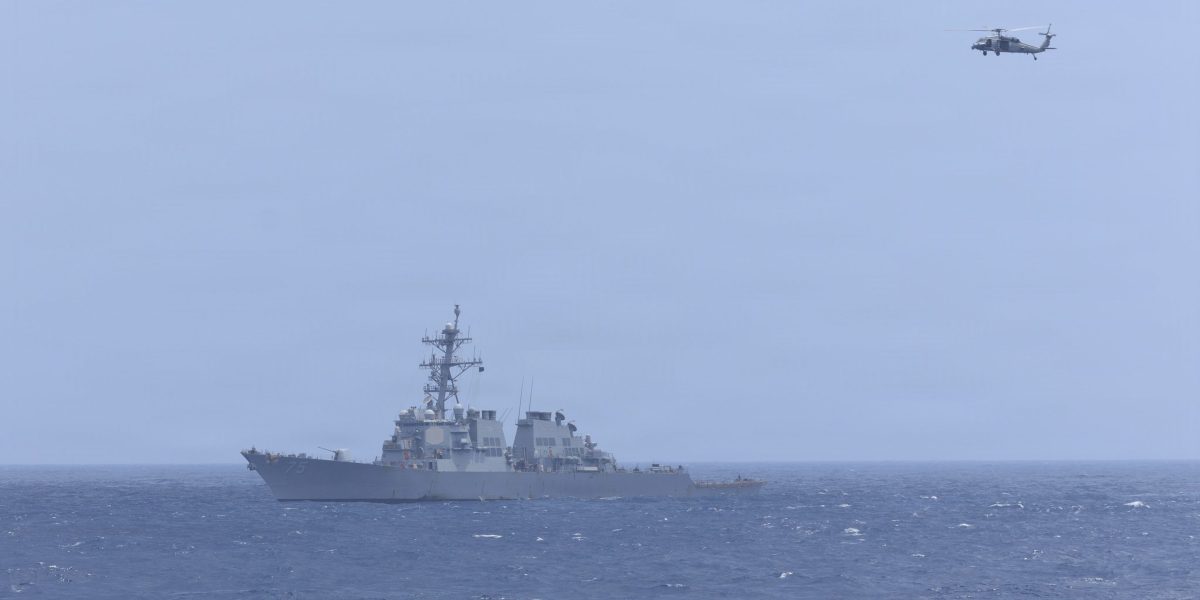
Renewed fighting around the Strait of Hormuz is placing the U.S.-Iran ceasefire under mounting pressure, Fortune reported. The dispute matters because the waterway remains a key route for energy shipments, and both sides are now contesting who can set the rules for vessels moving through it.
Fortune reported that Iran launched new attacks on Kuwait and Bahrain on Sunday and threatened a “complete halt” to peace talks. The strikes followed U.S. airstrikes that Fortune said were carried out after Iran targeted commercial ships with drones.
The confrontation centers on an alternate passage through the strait near Oman’s coast, according to Fortune. The route is protected by the U.S. and bypasses a Tehran-backed channel that Fortune said is intended to reinforce Iranian control over the waterway.
Over the weekend, the Omani route was widened in practice to handle ships traveling both into and out of the Gulf, Fortune reported. That move reduced Iran’s leverage over shipping through Hormuz, according to Fortune’s account.
President Donald Trump has called Iran’s conduct a breach of the ceasefire and warned of severe consequences, Fortune reported. Fortune also reported that Trump has shown reluctance to resume a broader war and has not acted on comparable warnings in the past.
Robert Pape, a University of Chicago political science professor, wrote on X that Iran was putting Washington in what he called an “escalation trap.” Pape said Iran’s pressure on Hormuz leaves the U.S. facing a choice between escalating militarily or accepting less control over the strait.
Fortune reported that the U.S. Navy appeared to be signaling that the Omani route remained usable. Gulf traffic data on Sunday showed a convoy of tankers moving through the strait under escort with transponders switched on, according to Fortune.
Other vessels may be turning off transponders to pass through with less visibility, Fortune reported. Fortune added that even the risk of Iranian strikes could deter enough shipping to disrupt traffic through the strait.
Pape said Iran’s strategy is to keep the waterway largely restricted and again choke off oil flows, according to Fortune. He said that would force the U.S. to draw on inventories and could give Tehran more bargaining power as it seeks to push U.S. forces out of the region.
Shipping companies face their own dilemma, Fortune reported. Firms using the Omani route risk Iranian attacks, while firms using the Tehran-backed route could run into Western sanctions tied to dealings with the Islamic Revolutionary Guard Corps, according to Fortune.
HFI Research wrote on X that many ships lack a workable option other than the alternate route and may try to pass with reduced visibility. HFI said Iran would have to keep escalating if it wants to stop flows through Hormuz altogether.
Francesco Sassi, a University of Oslo professor, wrote on X that Iran’s latest attack on shipping targeted ship-to-ship oil transfers at sea, which Gulf producers have used to bypass Hormuz. Sassi said the conflict had entered a more dangerous phase after consecutive nights of U.S. retaliatory strikes against IRGC targets.
Noam Raydan, a senior fellow at the Washington Institute, wrote Friday that Iran does not intend to restore the old shipping order in the strait. Raydan said Iran would lose its strongest remaining leverage if prewar conditions returned, and she urged policymakers to prepare for Tehran to seek a central role in any new maritime system.
This story draws on original reporting from Fortune.