
World Cup gives brewers a lift as beer sales face long decline
Beer sales rose in U.S. World Cup host cities, but industry groups say broader drinking trends remain weak.
By Daniel Okafor · Business Editor
4 min read
The World Cup has delivered a clear short-term boost for beer sellers in U.S. host cities, filling bars, stadiums and taprooms during match days. The surge matters because brewers are trying to counter a longer slide in beer drinking across several major markets.
Bars in Boston needed emergency beer deliveries on some game days, according to the Associated Press. FIFA organizers said fans bought 290,000 stadium beers across six matches in Philadelphia.
The broader picture is less upbeat for the industry. The Brewers Association, a trade group for craft brewers, says beer consumption in the United States has declined steadily for 10 years. Canada has seen a similar pattern, according to its national statistics agency, and the Brewers of Europe trade association says beer sales have also weakened in the European Union.
Health and cost concerns weigh on beer
Changing attitudes toward alcohol have hurt sales. Gallup found last year that, for the first time in its polling, a majority of Americans — 53% — said having one or two drinks a day was bad for health.
Nonalcoholic beer has grown, but it remains a small piece of the U.S. market. The Beer Institute, a brewers trade group, says it accounts for about 1% of beer sales.
Money worries are also affecting alcohol purchases. Beverage market research company IWSR said U.S. consumption of alcohol, including beer, wine and spirits, fell 5% last year, with affordability concerns partly responsible.
Craig Purser, president and CEO of the National Beer Wholesalers Association, said streaming services and smartphones have reduced time spent socializing over beer. “If you have this behavior where we’re cocooning and we’re not spending time with other folks, that’s going to affect beer consumption,” Purser said.
Host cities see a World Cup bump
The tournament has still given brewers a high-profile opening. The Beer Institute said beer sales at bars, restaurants, stadiums and other venues in U.S. host cities rose 14% during the first four weeks of the World Cup compared with the same period a year earlier. Nationally, sales were up 4%, the group said.
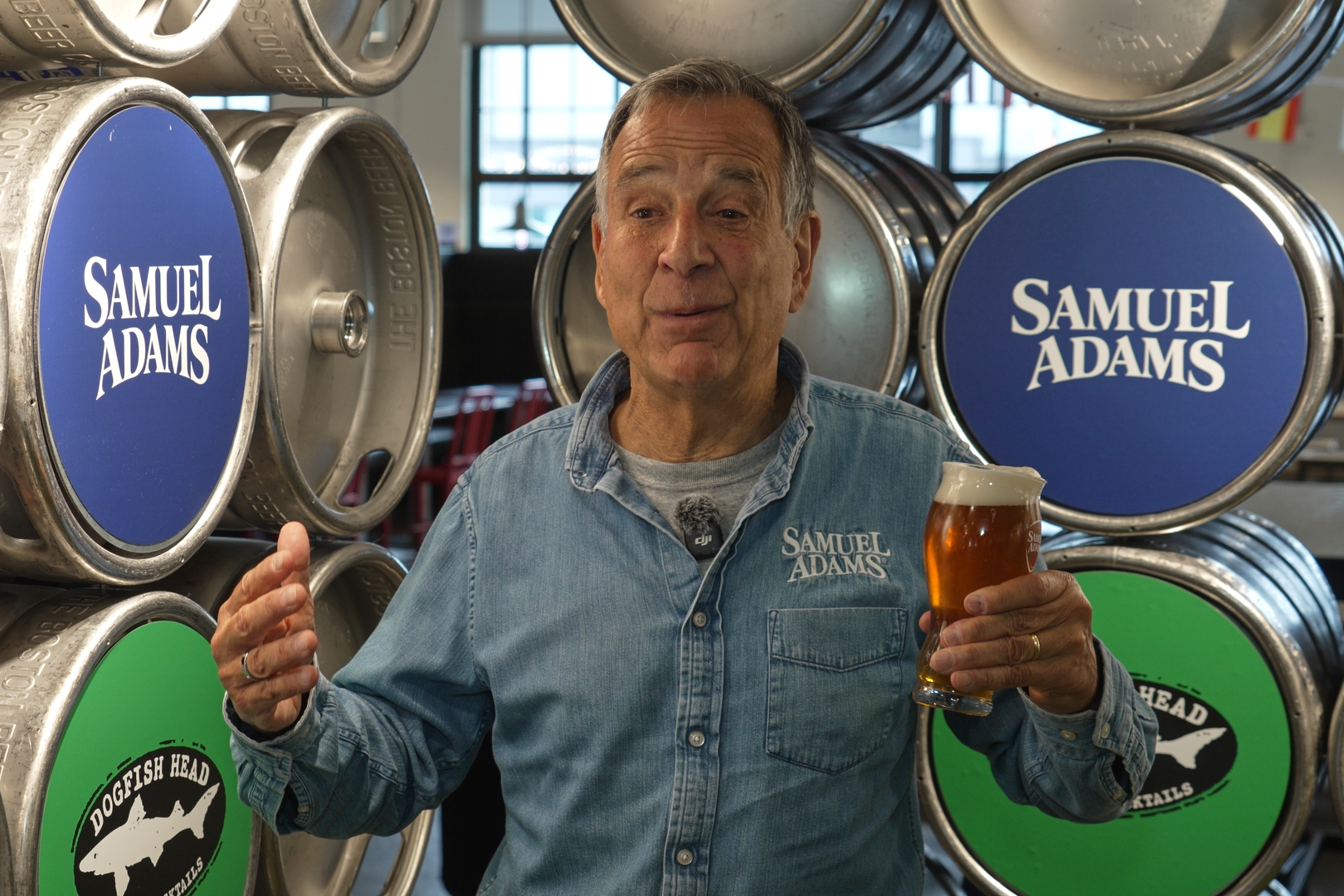
Jim Koch, founder and CEO of Boston Beer Co., which makes Samuel Adams, said the company sent two emergency deliveries to its Sam Adams Boston Taproom on the first day Scotland fans arrived. “At one point, we were pouring them a Sam Adams Boston Lager every 12 seconds. What a wonderful group of people,” Koch said.
Koch said he was also struck by the way fans were socializing in person. “I didn’t see a single soul on their phone,” he said. “They had a beer in their hand and they were talking to each other.”
The stadium drinking marked a sharp change from the World Cup in Qatar four years ago, where the government barred alcoholic beer sales at match venues.
Brewers invested heavily in the tournament. AB InBev, the maker of Budweiser and Michelob Ultra and the World Cup’s official beer sponsor, provided marketing help to bars and hosted 200,000 watch parties in 40 countries. Molson Coors said it planned to spend 60% more than last year on marketing in June and July and introduced a limited-edition soccer ball designed to hold 12 cans of Miller Lite.
Eliminations can cool demand
Some tournament-related demand faded as teams left the competition. Shares of AB InBev and Constellation Brands, which owns the U.S. rights to Corona and Modelo, fell after Mexico and Brazil were eliminated.
Maybell Romero, a Tulane University law professor who has watched matches at bars in Mexico City, said the mood changed after those losses. “The city is collectively depressed,” she said. “Everything is a lot quieter, and people aren’t going out as much.”
Purser said he remains hopeful that events such as the World Cup and the 2028 Summer Olympics in Los Angeles will encourage more people to gather around sports. The NCAA also reversed its long-standing ban on alcohol advertising during March Madness in May, allowing beer, wine, spirits and hard seltzer makers to sponsor the college basketball tournaments beginning next season.
This story draws on original reporting from Fortune.