
Why lotteries feel valuable when demand outstrips supply
Wharton economist Judd Kessler says lotteries often expose excess demand while giving winners a sense of scarce access.
By Sofia Marchetti · World Affairs Correspondent
3 min read
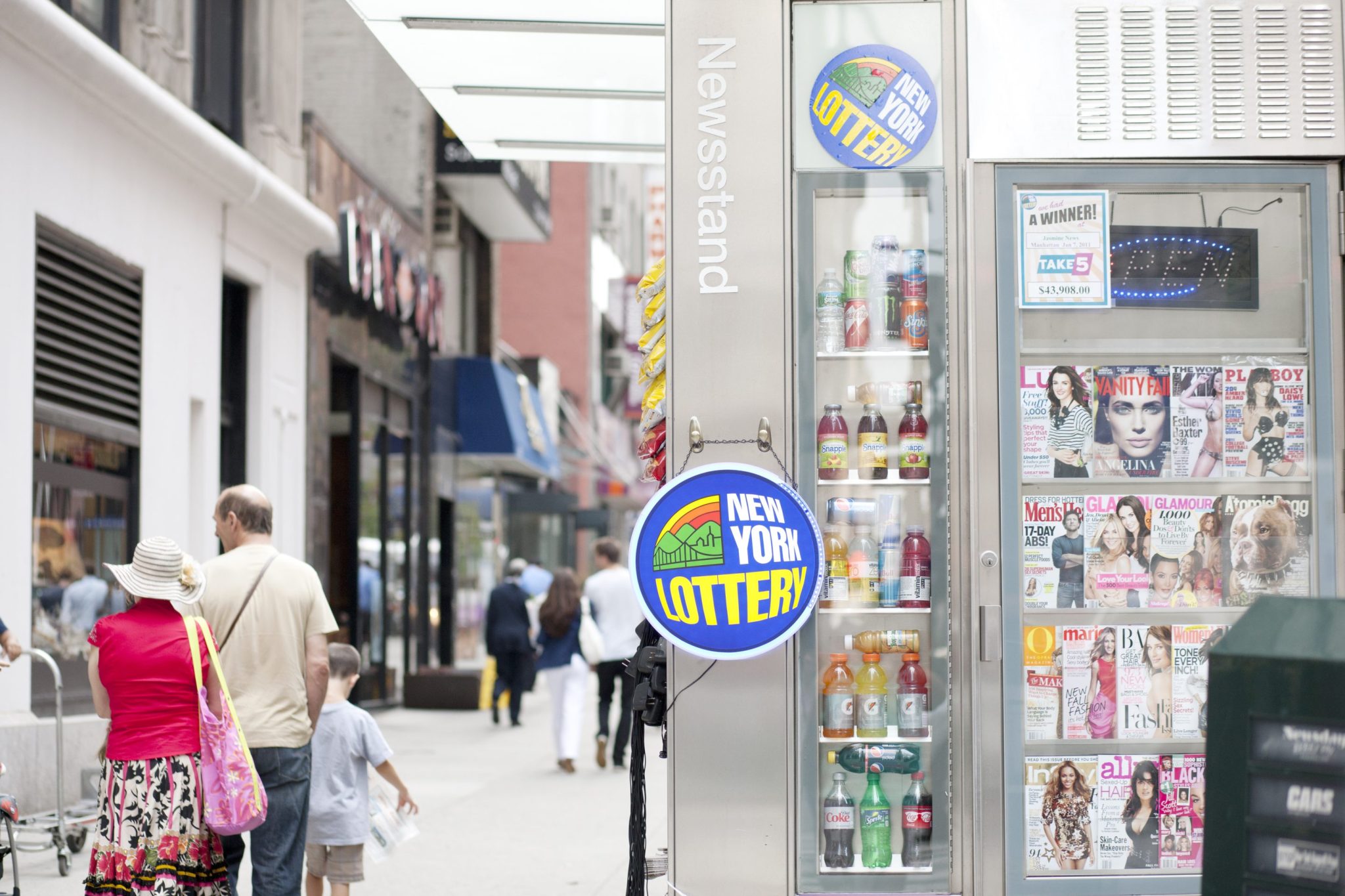
Economist Judd Kessler says why lotteries feel valuable often comes down to scarcity that already exists: more people want something at a given price than sellers can provide. In an interview with Fortune, Kessler said lotteries usually point to excess demand rather than creating demand from nothing.
Kessler, a professor at the University of Pennsylvania’s Wharton School and author of Lucky by Design, described lotteries, long restaurant lines, waiting lists and Ticketmaster queues as “hidden markets.” Fortune reported that these systems allocate limited goods without relying only on higher prices to cut demand.
Why do lotteries feel valuable?
Kessler told Fortune that a lottery can make a prize feel more desirable because winners know other people wanted the same thing and could not get it. A visible queue outside a restaurant can send a similar message: demand itself becomes a signal that the product may be worth wanting.
For businesses, Kessler said, excess demand creates several choices. A seller can increase prices, sell to whoever arrives first or keep a system such as a lottery or waitlist in place. Some companies preserve those systems because scarcity can add excitement and support future demand, he told Fortune.
The value for winners is not limited to paying less. Fortune cited Broadway lottery entrant Ella Hozhei, who lives in New York and regularly enters ticket drawings because her schedule gives her flexibility. Hozhei said the lower price lets her try shows she might otherwise skip, and that winning the lottery for the Stranger Things stage production made her feel selected to attend.
How businesses use lotteries
Lotteries are one way companies handle demand when they do not want to raise prices enough to make the line disappear. In entertainment, that can mean cheaper access to Broadway shows. In finance, Fortune reported, Fidelity said last month it would use a lottery to allocate shares of the anticipated SpaceX IPO to retail investors if requests exceeded its allotment.
Those systems can make access feel fairer than a pure fastest-finger contest, while still preserving the sense that the item is scarce. Kessler’s point, as reported by Fortune, is that the contest often reflects existing pressure in the market: many people already wanted the product at that price.
How governments use lotteries
Governments use lotteries for a different reason, Fortune reported: distributing limited opportunities more fairly, not building excitement for a commercial product. The federal government uses a lottery for a capped number of Diversity Visas each year for applicants from countries with historically low immigration rates.
Public agencies also use lotteries to manage access to crowded places and events. National parks use them for high-demand destinations such as The Wave in Arizona, according to Fortune, while New York City uses lotteries for affordable housing.
This past week, New York City announced a lottery for 500 free tickets to the 2026 USA Track & Field Outdoor & Para National Championships, along with discounted tickets. Mayor Zohran Mamdani said the effort was meant to make the championships more affordable and accessible, according to Fortune.
Fortune reported that Mamdani had backed a similar ticket program earlier this year, offering New Yorkers a chance to buy 1,000 World Cup tickets for $50 after criticizing FIFA’s rising ticket prices. Kessler said government lottery design is guided by equity, efficiency and ease, and told Fortune that properly designed lotteries can work well for those allocations.
This story draws on original reporting from Fortune.