
US faces shrinking options as Iran presses Hormuz control
A collapsed truce has renewed fighting around the Strait of Hormuz, raising oil-price pressure and narrowing Washington’s choices, analysts told Fortune.
By Maya Lindqvist · Senior Technology Correspondent
3 min read
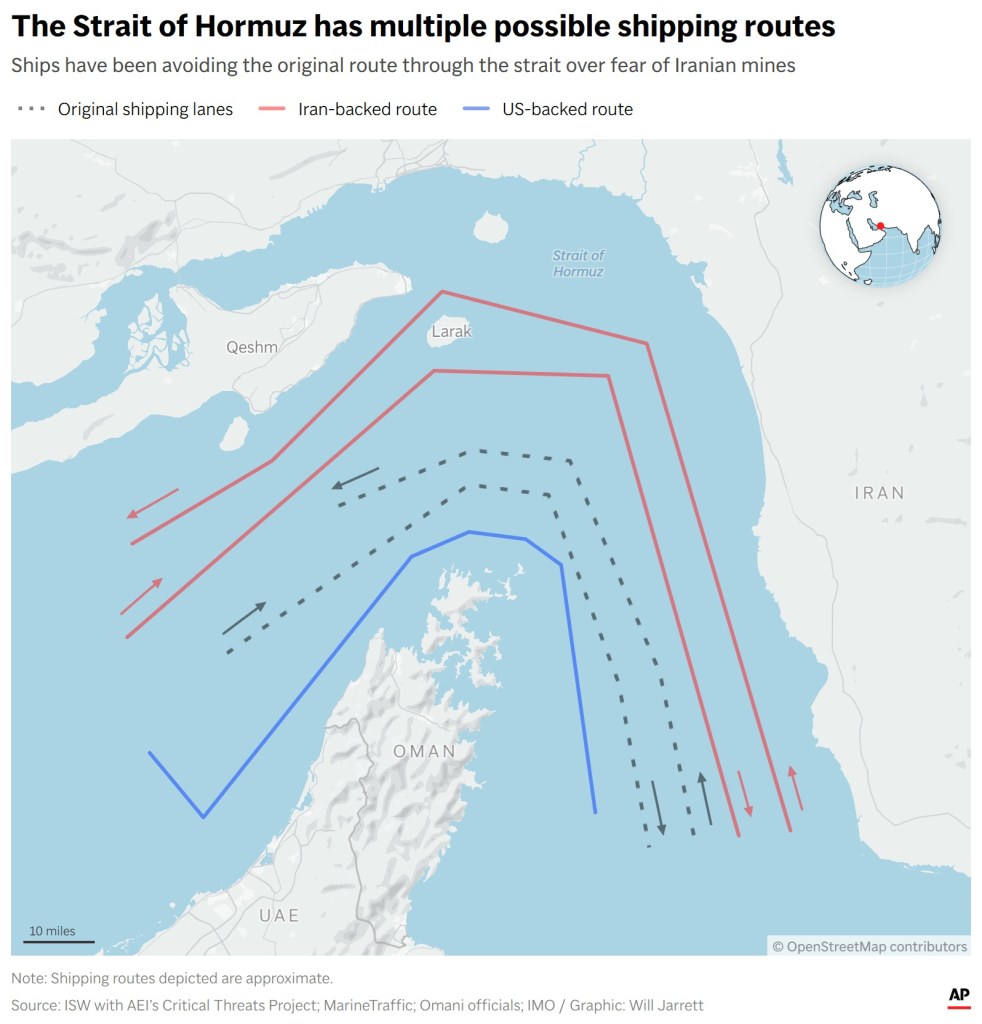
The fighting between the United States and Iran has resumed after a short-lived truce, putting the Strait of Hormuz back at the center of global energy markets. Fortune reported that Iran is again threatening shipping through the waterway while Washington has restored a naval blockade aimed at Iranian oil exports.
The confrontation matters because Hormuz handles nearly 20% of global energy flows, according to Gregory Brew, a senior analyst for Iran and energy at Eurasia Group. Brew told Fortune that the Trump administration has limited options: broaden the war, wait for pressure on Iran to work, or accept some Iranian role in managing passage through the strait.
Oil markets have already reacted. Fortune reported that the global benchmark price fell from $124 a barrel in early May to $68 at the start of July after a 60-day interim peace arrangement, then climbed back above $88 by July 17 as the deal unraveled.
Fuel supplies are also tighter than earlier in the conflict. Fortune reported that the U.S. Strategic Petroleum Reserve is at a 43-year low, while China has helped contain prices by cutting crude imports by nearly 5 million barrels a day and relying on reserves. Dan Pickering, founder of Pickering Energy Partners, told Fortune that the renewed round of fighting begins from a more fragile position because strategic reserves and market flexibility have been reduced.
Truce falls apart
According to Fortune, tanker traffic partially recovered after the June truce, though it did not return to normal. The United States urged ships to use a southern route nearer Oman to avoid payments to Iran, a move Tehran viewed as a direct challenge.
The ceasefire broke down on July 7, Fortune reported, when Iran fired on vessels traveling closer to the Omani shoreline. The United States then resumed attacks on Iran, while Iran struck targets in Gulf states, including U.S. military sites. The United Arab Emirates, Kuwait and Bahrain reported damage to power grids or refineries, and Kuwait said a desalination plant had been hit for the first time.
Fortune reported that President Donald Trump briefly floated a 20% toll on Hormuz traffic before dropping the idea. The U.S. position remains that Iran should not be allowed to charge ships for passage, though Brew said some form of Iranian fee system now appears difficult to avoid. Such tolls would breach international maritime law, Fortune reported.
Pressure at home and abroad
The average U.S. price for regular gasoline has returned to $4 a gallon, according to Fortune. The report said U.S. oil and refined-fuel exports have reached record levels during the war, supporting high refining margins while pump prices remain elevated.
Claire Jungman, director of maritime risk and intelligence at Vortexa, told Fortune that the central issue for oil markets is whether Hormuz can stay open at all. Analysts cited by Fortune said that concern could make Iranian fees less important than restoring predictable traffic, especially with U.S. midterm elections approaching in November.
Gulf producers are also working on alternatives. Fortune reported that the UAE is expanding its West-East pipeline and planning a new Fujairah port, Iraq is building the Basra-Haditha Pipeline, and Saudi Arabia has increased pipeline shipments toward the Red Sea. Fortune noted that Houthi attacks from Yemen could threaten that Saudi route.
David Russell, global head of market strategy at TradeStation, told Fortune that oil has not yet reached a crisis point, but reduced stockpiles leave less room for error. Brew said he expects more escalation before any renewed accommodation, and that any future agreement is likely to be temporary rather than a lasting settlement.
This story draws on original reporting from Fortune.