
Thiel casts tech and climate regulation in Antichrist theory
Peter Thiel’s latest First Things essay frames global safety regulation as part of a theological warning about centralized power.
By Sofia Marchetti · World Affairs Correspondent
4 min read
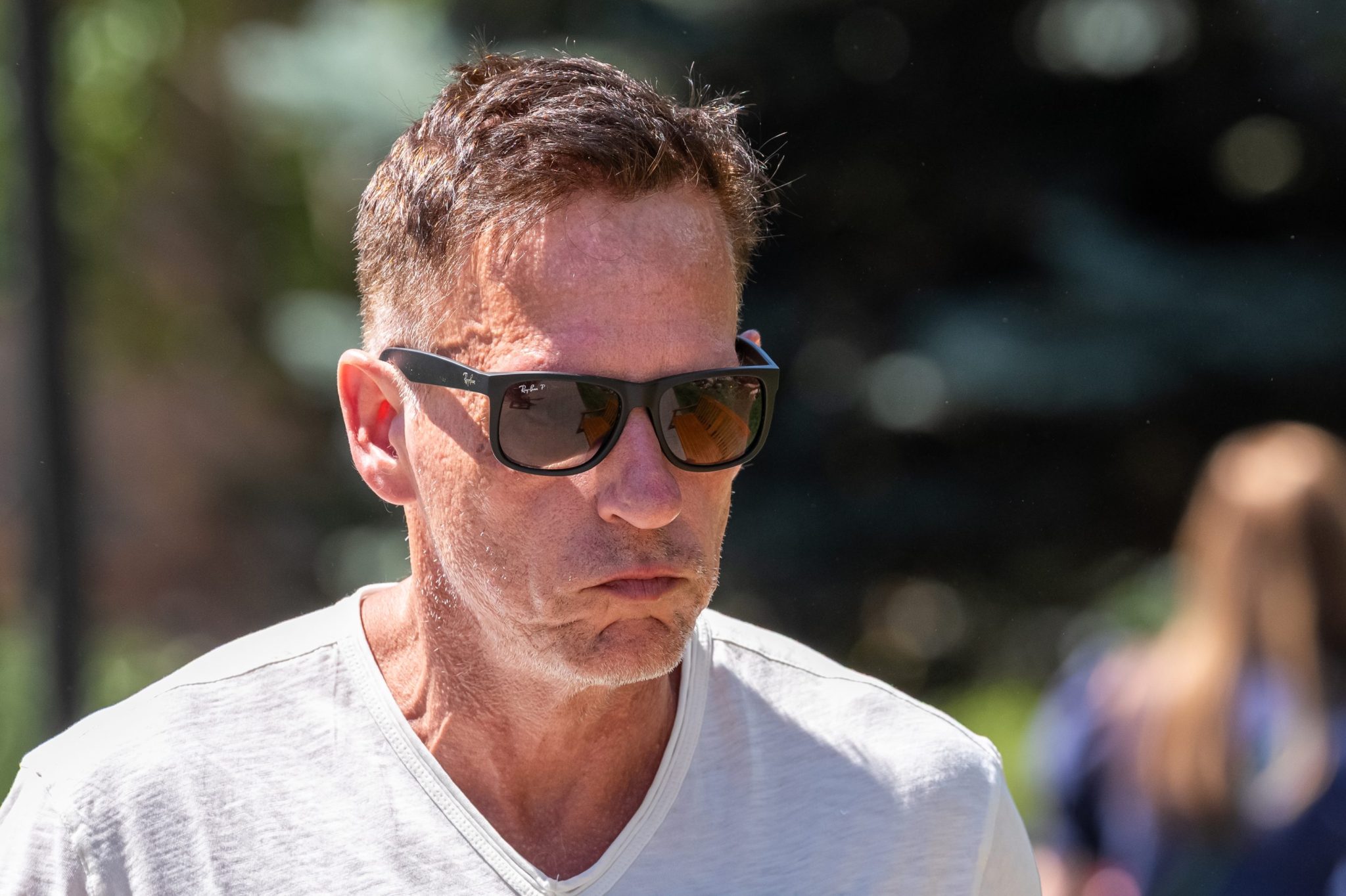
Peter Thiel has moved his theory about “the Antichrist” further into public view, arguing in a new essay that the figure of ultimate evil may appear as a regulator promising peace and safety. Fortune reported that the argument matters because it recasts disputes over AI oversight, climate policy and global institutions in explicitly theological terms.
In a First Things essay co-written with Sam Wolfe, Thiel draws on the Russian philosopher Vladimir Solovyov and Pope Benedict XVI to describe an Antichrist who does not look like an obvious tyrant, according to Fortune. The essay presents the danger as a leader or system that uses the language of ethics, security and international cooperation to gather authority.
Thiel writes in the essay that the Antichrist interests him partly because “nobody else is talking about it,” a silence he says would have alarmed much of Christian history. Fortune described the essay as Thiel’s most developed public statement on the subject.
From lectures to essays
Fortune reported that Thiel has been developing the idea for nearly a year. The sequence included a private four-part lecture series in San Francisco in September 2025, leaked audio reported by The Washington Post the next month, an earlier First Things essay titled “Voyages to the End of the World,” and a later lecture series near the Vatican in March that drew institutional pushback.
The new First Things essay, titled “The Pope and the Antichrist,” builds on Solovyov’s 1900 novella “A Short Story of the Antichrist,” according to Fortune. In that work, the Antichrist is depicted as persuasive and humanitarian rather than openly brutal.
Fortune reported that Thiel and Wolfe identify modern appeals to existential risk — including climate change, artificial intelligence and nuclear war — as possible tools for centralizing power. Their argument says the Antichrist would not necessarily attack Christianity directly, but could fold it into a managed global order.
Regulators as a theological concern
The essay introduces what Fortune described as Thiel’s category of “legionnaires”: people who are not consciously serving evil but who, in his view, help build structures that could enable future domination. Fortune reported that Thiel’s examples include climate activist Greta Thunberg and AI safety researcher Eliezer Yudkowsky.
According to Fortune, the theory points toward institutions and policies Thiel has opposed on political and economic grounds for decades. The publication cited the EU’s AI Act, the Paris Agreement, demands for Palantir to explain surveillance algorithms, and calls for outside audits of AI companies as examples of the regulatory order that Thiel’s framework treats as spiritually dangerous.
Fortune also reported that Thiel and Wolfe discuss Catholic theologian Hans Küng’s “World Ethos” project, including Küng’s call for peace among religions through dialogue. Thiel and Wolfe connect that vision to the biblical phrase “peace and safety” from 1 Thessalonians, according to Fortune.
The argument has also reached current church politics, Fortune reported. Recent reporting cited by the publication says Thiel has applied the framework to Pope Leo XIV, suggesting the pope’s openness to AI regulation could make him an unwitting participant in the same dynamic.
A long-running political project
Fortune placed the essay against Thiel’s career as a technology investor and political financier. Thiel co-founded Palantir, was Facebook’s first outside investor, backed AI companies and funded conservative political candidates including Donald Trump and J.D. Vance, according to the publication.
Fortune argued that the theological frame aligns with Thiel’s long-standing opposition to international institutions and regulatory systems governing technology and climate. The publication also noted that Thiel’s thinking has been shaped by René Girard, his former Stanford mentor, and by Christian intellectual traditions that treat technocratic consensus with suspicion.
The result, Fortune reported, is a theory that turns policy fights over AI and climate into moral and religious conflicts. In that frame, regulators and safety advocates are not just wrong about governance; they are cast as helping prepare the way for a centralized power Thiel identifies with the Antichrist.
This story draws on original reporting from Fortune.