
US Iran talks over Hormuz advance as ship traffic falls
Regional officials say Qatar and Pakistan are pushing Washington and Tehran back toward talks as Hormuz shipping hits a three-week low.
By Sofia Marchetti · World Affairs Correspondent
4 min read
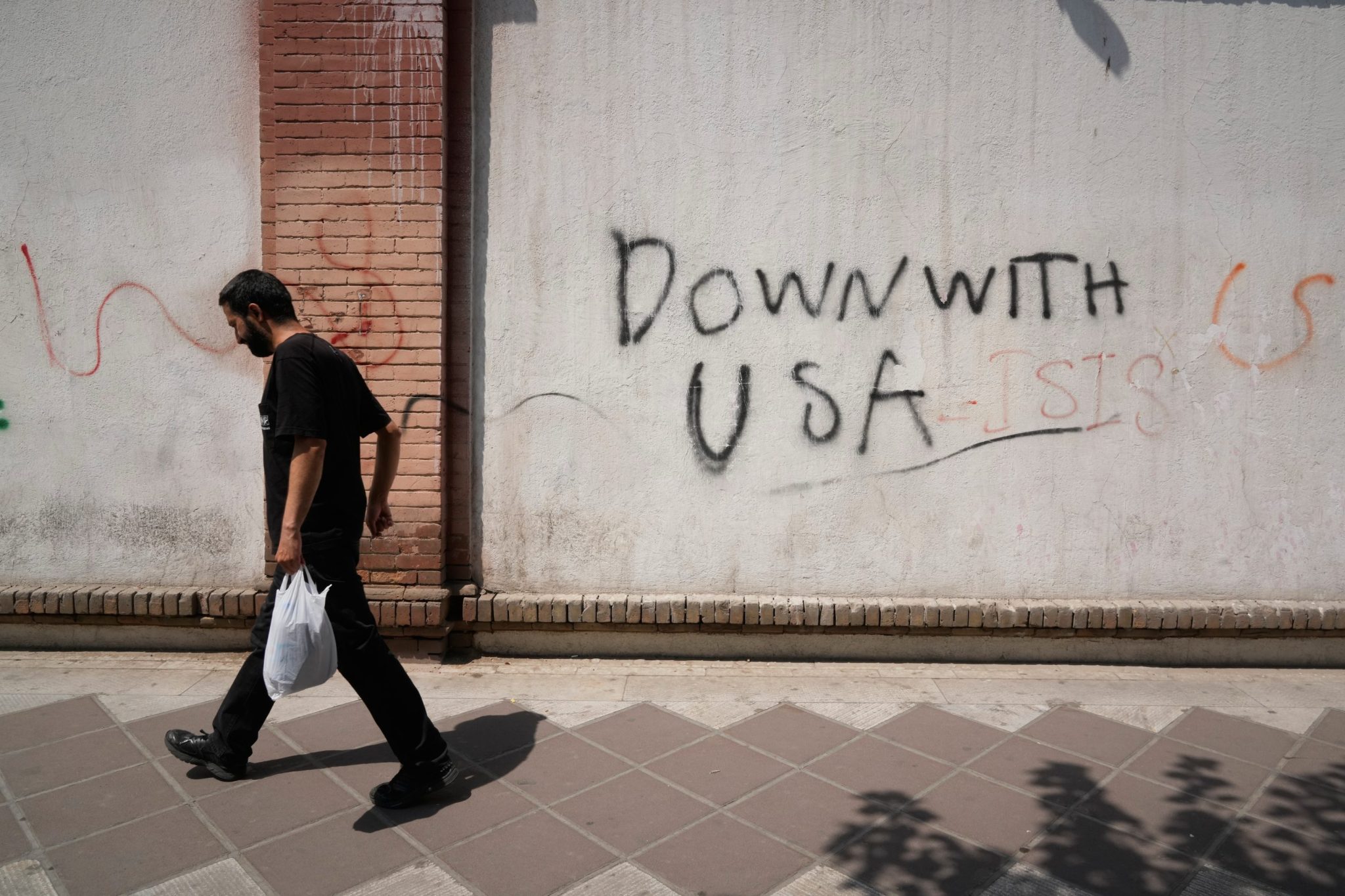
Mediation on US Iran talks Hormuz has advanced after Washington and Tehran stopped direct attacks for three days, regional officials told The Associated Press. The pause matters for oil markets because commercial traffic through the Strait of Hormuz has dropped to a three-week low, according to a maritime body overseen by the U.S. Navy.
Two regional officials, speaking anonymously to discuss closed-door diplomacy, said Qatar and Pakistan were leading efforts to bring the United States and Iran back to an interim ceasefire arrangement. That deal had broken down after a sharp exchange of strikes between the two sides.
The pause has not ended violence across the region. Saudi Arabia said it intercepted drones launched by Iran-backed militias in Iraq toward its oil facilities, while Yemen’s Iran-backed Houthis said they had attacked Saudi oil sites in a separate but related conflict. It was not clear whether the two accounts referred to the same incident.
Are US and Iran talks resuming over Hormuz?
Regional officials told the AP that mediators have made progress toward restoring negotiations, though Iran said direct talks with the United States are not underway. Iranian Foreign Ministry spokesperson Esmail Baghaei said Monday that mediators could pass messages from Washington to Tehran.
Baghaei said Iran and Oman held talks Friday and Saturday about ship traffic through the Strait of Hormuz. He said the goal was for the two coastal states to build arrangements for safe passage while respecting sovereignty and Iran’s security interests, and he stressed that the waterway remains closed.
The Strait of Hormuz is a narrow passage between Iran and Oman that is central to global oil shipments. Fighting around the strait can quickly affect energy supplies because tankers use it to move crude and other petroleum products from the Gulf to world markets.
Iran has said the interim U.S. deal allows it to oversee shipping in the waterway and possibly charge fees, according to the AP. Tehran has also objected to U.S. support for an alternative route near Oman; before the war, the strait was open without fees.
No direct strikes reported for three days
The United States halted attacks after striking Iranian coastal areas and infrastructure during a nearly two-week escalation that began with Iranian fire on ships trying to transit Hormuz, according to the AP. Mike Waltz, the U.S. ambassador to the United Nations, told Fox News that President Donald Trump was giving diplomacy “a little bit of room.”
Waltz rejected concerns that U.S. interceptor supplies were running low, though experts cited by the AP have questioned how long both the United States and Iran could sustain attacks. Iran stopped its strikes after the U.S. pause, Tehran’s army spokesperson told Iranian state television Sunday.
Iran had recently struck countries in the region that host U.S. forces, killing at least three service members at a base in Jordan and one in Iraq, according to the AP. Separate drone attacks were also reported against a Kurdish Iranian dissident group in Iraq, and Jordan said it shot down two drones without identifying where they came from. No casualties or damage were reported in those incidents.
What is happening to shipping traffic?
The U.S. Navy-overseen maritime body said Sunday that commercial traffic in the Strait of Hormuz had fallen to its lowest level in three weeks and that no new attacks had been confirmed in the previous 72 hours. It said traffic through the Bab al-Mandeb strait, another key route to the Red Sea, remained steady.
Concerns over Bab al-Mandeb have also grown after the Houthis threatened a blockade of Saudi shipping there and fired on at least one Saudi tanker, setting it alight, according to the AP. Gasoline prices have risen again as the fighting has put pressure on energy supplies.
The U.S. military said Saturday that its recently reimposed naval blockade against Iran remained in place. It said a dozen commercial ships had been redirected, two disabled and two boarded.
Israeli Prime Minister Benjamin Netanyahu said he planned to meet Trump in Washington on Tuesday and said he fully backed Trump’s efforts, according to the AP. Separately, Baghaei criticized Ukrainian President Volodymyr Zelenskyy after Zelenskyy said Ukraine had struck vessels in the Caspian Sea used in military cargo shipments involving Iran; Iranian Foreign Minister Abbas Araghchi said an Iranian sailor was killed.
This story draws on original reporting from Fortune.