
Unilever uses World Cup deal to push U.S. personal care brands
Unilever’s U.S. personal care chief told Fortune the sponsorship is aimed at making legacy brands feel culturally current.
By Sofia Marchetti · World Affairs Correspondent
3 min read
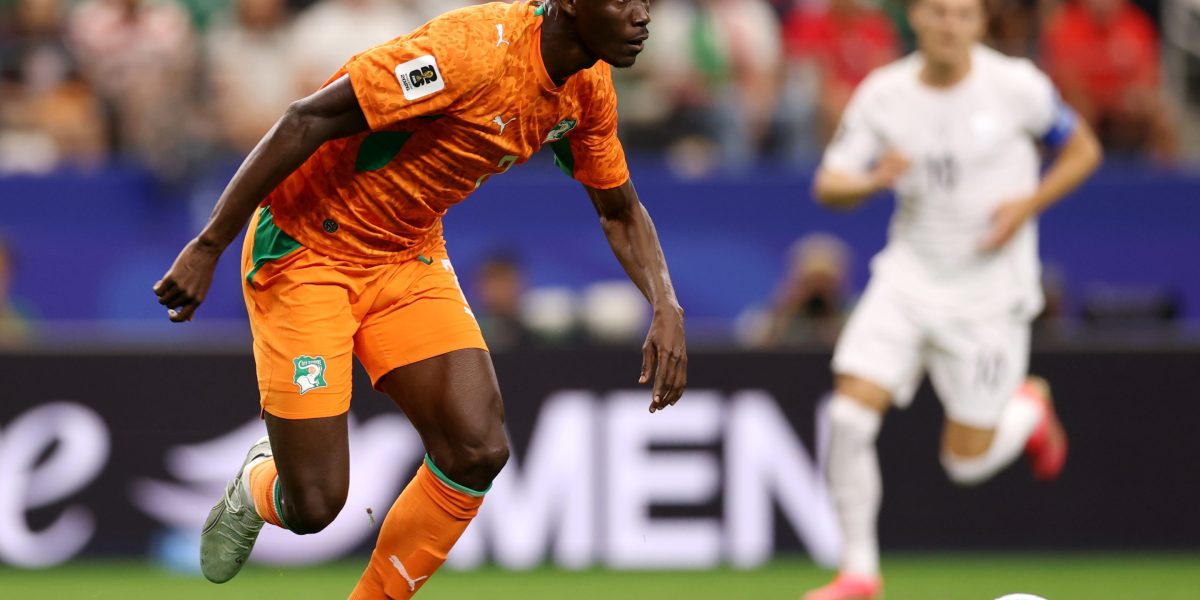
Unilever is tying its personal care brands to the 2026 World Cup in its largest sports partnership to date, using soccer’s global audience to strengthen its position in the U.S. market. Herrish Patel, president of Unilever USA and CEO of Personal Care North America, told Fortune the company sees the tournament as a way to build “desire at scale.”
The deal makes Unilever the World Cup’s “official personal care sponsor,” according to Fortune. Patel said the sponsorship fits a broader push to win attention across social media, online retail and store shelves, rather than treating the tournament as a one-off advertising buy.
The marketing stakes around the event are high. Fortune has reported that FIFA is expected to generate about $8.9 billion in revenue from the 2026 World Cup, with roughly one-third coming from official partners, sponsors and supporters.
Major brands including Adidas, Coca-Cola, Visa, Qatar Airways, Lenovo, Hyundai-Kia, Aramco, AB InBev, Bank of America and Verizon are also part of the tournament’s sponsorship economy, according to Fortune. The spending around those deals does not include the additional money companies put behind their own campaigns during the event.
Legacy brands seek cultural relevance
Patel told Fortune he believes established brands retain more public trust than many institutions, but he said consumers still expect those brands to show up in ways that feel current. For Unilever, that means linking products such as Dove to cultural moments where consumers are already paying attention.
He pointed to Coachella as a recent example, according to Fortune. After a TikTok about body odor in the festival crowd went viral, Unilever flew a plane over the event carrying the Dove deodorant message, “SMELLS LIKE YOU NEED US – DOVE DEO.” Dove later moved up 36 places in Instagram’s global beauty ranking, Fortune reported.
For the World Cup, Unilever plans ticket giveaways, limited-edition products, local fan events and product-tier activations, according to Fortune. Patel told Fortune the goal is to connect the company’s brands with major cultural moments and said sports and brands can offer a sense of unity when society feels polarized.
Creators and AI are part of the plan
Unilever is also building its World Cup campaign around creators and artificial intelligence. Patel told Fortune that creativity remains the top currency in marketing, while AI can help tailor creative work to audience groups more quickly.
The company works with nearly 6,500 creators, according to Fortune. During the World Cup, Unilever plans invite-only “House of Fresh” hubs for creators and influencers in Mexico City, New York and Miami.
Patel told Fortune Unilever will begin with paid media but will judge part of the campaign by how much unpaid attention it earns. He said content spreads when it connects with culture.
Other sponsors are also looking for gains from the tournament’s audience. Fortune noted that Nike’s “Rip the Script” campaign has drawn 79 million views, while IG Group research found World Cup sponsors have outperformed the S&P 500 during the tournament window.
This story draws on original reporting from Fortune.