
Trump backs Saudi nuclear pact that may allow uranium enrichment
The planned 30-year agreement would involve U.S. firms and could draw scrutiny in Congress over nuclear proliferation concerns.
By Daniel Okafor · Business Editor
3 min read
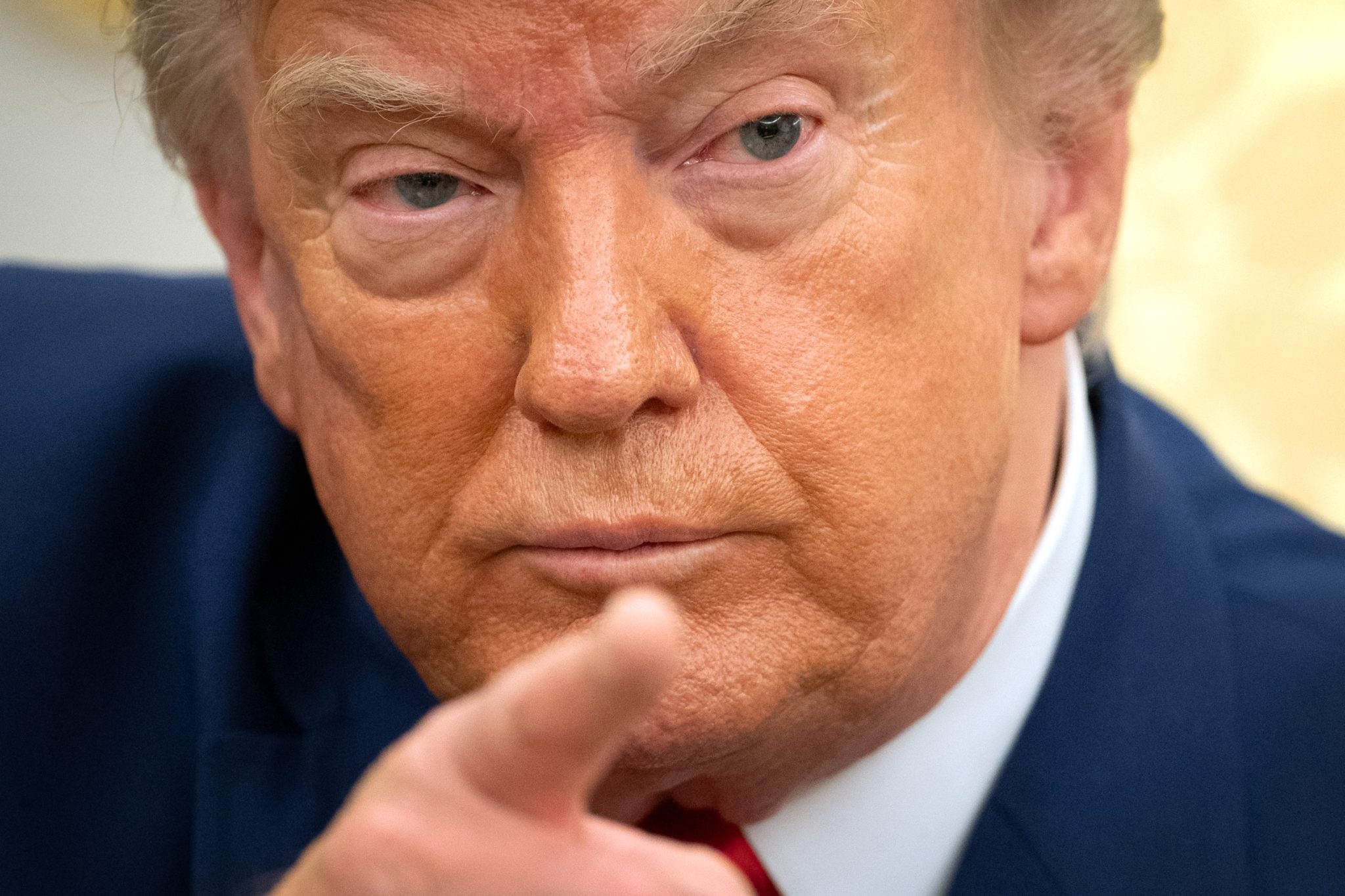
President Donald Trump has approved a nuclear cooperation agreement with Saudi Arabia that could give the kingdom a route to enrich uranium for a civilian energy program, the Associated Press reported, citing two people familiar with the decision. The plan is sensitive because the United States and Israel are at war with Iran partly over Tehran’s nuclear capabilities.
The people, who were not authorized to discuss the decision publicly, told AP the agreement could be announced as soon as Wednesday. The Wall Street Journal first reported the decision, according to AP.
AP reported that the deal is expected to run for 30 years and include a role for American companies in developing Saudi Arabia’s nuclear power sector. Under the expected terms, Saudi Arabia could build a uranium enrichment site after a joint U.S.-Saudi study, the people told AP.
The agreement is expected to go to Congress for review, AP reported. Lawmakers may question whether helping Saudi Arabia pursue enrichment would add to nuclear competition in the Middle East, according to AP.
Saudi Arabia belongs to the International Atomic Energy Agency, the Vienna-based body that supports peaceful nuclear programs and inspects countries for signs of secret weapons work, AP reported. One person familiar with the matter told AP the agreement is not expected to include the IAEA’s Additional Protocol, a measure that would allow broader monitoring and verification.
Scrutiny over enrichment
The timing adds to the political risk around the deal. AP reported that the expected announcement comes during the war against Iran launched by the U.S. and Israel in part to destroy Tehran’s ability to build a nuclear weapon. Iran has said its enrichment program is for peaceful purposes, according to AP.
The White House and Saudi officials in Riyadh did not immediately respond to AP requests for comment. The U.S. Department of Energy also did not immediately respond late Tuesday, AP reported.
Trump and former President Joe Biden both sought nuclear cooperation arrangements with Saudi Arabia that would share U.S. technology, according to AP. Energy Secretary Chris Wright traveled to Saudi Arabia last year before Trump visited the kingdom and discussed the development of commercial nuclear power with his Saudi counterpart, AP reported.
Nonproliferation experts have warned that operating centrifuges in Saudi Arabia could create a path toward a weapons program, AP reported. Crown Prince Mohammed bin Salman, Saudi Arabia’s effective ruler, has suggested the kingdom could pursue a bomb if Iran obtains one, according to AP.
AP reported that enrichment alone does not produce a nuclear weapon; a country would also need other capabilities, including the use of synchronized high explosives. Still, enrichment can support weaponization, which is a central concern in Western objections to Iran’s program, according to AP.
Saudi Arabia has also strengthened security ties with Pakistan, AP reported. After Israel attacked Qatar in a strike aimed at Hamas officials, Saudi Arabia and nuclear-armed Pakistan signed a mutual defense pact; Pakistan’s defense minister later said his country’s nuclear program “will be made available” to Saudi Arabia if needed, according to AP.
The United Arab Emirates, Saudi Arabia’s neighbor, signed a U.S. “123 agreement” for its Barakah nuclear plant with South Korean assistance, AP reported. The UAE did not seek uranium enrichment, a model nonproliferation experts have described as the preferred standard for countries pursuing nuclear energy, according to AP.
This story draws on original reporting from Fortune.