
Trump orders 50% tariffs on most Canadian goods
The tariffs are set to take effect in 30 days, with key exemptions but new pressure on trade covered by the USMCA.
By Sofia Marchetti · World Affairs Correspondent
3 min read
President Donald Trump on Monday ordered 50% tariffs on most goods from Canada, a step the White House tied to disputes over autos, alcohol and dairy. The move matters because it could raise costs for U.S. consumers and deepen a trade fight with one of the country’s largest trading partners.
A Trump administration official, who spoke to reporters on condition of anonymity, said the president signed three proclamations using Section 338 of the 1930 Trade Act. The official said Canada had to be held accountable because it was among the few countries, besides China, that retaliated against Trump’s earlier tariffs.
The White House said in a fact sheet that the import taxes will start in 30 days. That timetable leaves room for talks, and Trump has previously announced tariff increases that were later delayed or reduced during negotiations.
The new tariffs would spare energy products, potash, fish and critical minerals, according to the White House. They would apply to some goods that had been shielded from tariffs under the United States-Mexico-Canada Agreement, the trade pact signed in 2020. The U.S. did not renew that agreement, setting off another negotiation process that could extend to 2036.
The Canadian federal government did not immediately issue a response. Ontario Premier Doug Ford urged retaliation if the plan goes ahead, writing on social media: “If these tariffs proceed, Canada should respond tariff for tariff, dollar for dollar.”
Scott Lincicome, vice president of general economics at the libertarian Cato Institute, said the action threatens more than Canada and creates “massive uncertainty” for the world economy. “We crossed the Rubicon,” Lincicome said. “The invocation of 338 is the nuclear option for Trump tariffs.”
The order also carries political risk for Trump before the November midterm elections. His April “Liberation Day” tariffs last year triggered a sharp market selloff amid fears of inflation and recession, and he later pulled back rates for a period of talks.
The Supreme Court ruled in February that Trump lacked authority to impose tariffs by declaring an economic emergency. After that decision, the administration turned to other legal tools to raise import taxes, including the 1930 trade law used in Monday’s action.
Trump has argued that tariffs will push manufacturing back to the United States. The economic record cited in the announcement offers little evidence that such a shift has occurred, while tariffs can be passed through to buyers as higher prices.
The administration official said Trump also asked aides to study additional tariffs on Canada over wildfire smoke that affected U.S. air quality. Trump had previously raised that idea in social media posts.
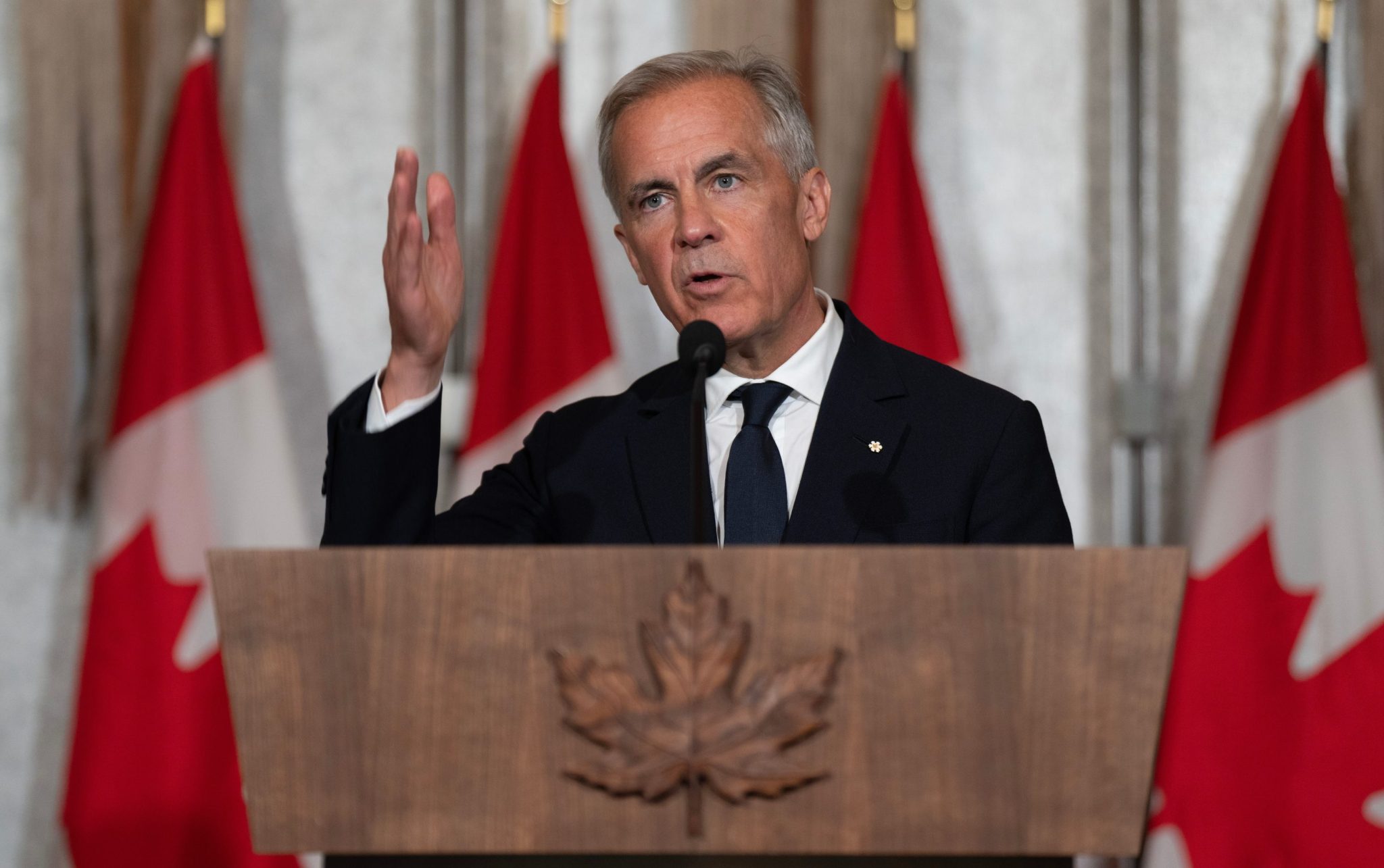
Trump and Canadian Prime Minister Mark Carney attended the World Cup final together Sunday, but the administration official said the meeting was not a working session on trade. Carney has sought broader trade ties for Canada and has openly challenged Trump’s pressure campaign.
Trump’s proclamations accuse Canada of treating U.S. autos, alcohol and cheese unfairly compared with products from other countries. The autos order cites Canada’s 25% tariff, in place since April 2025, on U.S. motor vehicles that do not qualify for preferential treatment under the USMCA.
The White House also said nearly all Canadian provinces and territories stopped buying and selling American alcoholic beverages last year. That action followed Trump’s tariffs and his repeated taunts about making Canada the 51st state.
Dairy has been a long-running complaint for Trump. In the proclamation, he said Canada gives European dairy products better treatment than U.S. cheese.
The relationship between Trump and Carney has been tense. At the World Economic Forum in Davos in January, Carney criticized powerful countries for using economic pressure against smaller nations without naming Trump. Trump later responded: “Canada lives because of the United States.”
This story draws on original reporting from Fortune.