
Trump pledges Lebanon support and moves to restore direct flights
The White House meeting came as Washington backs a test plan for Israeli withdrawal and a stronger Lebanese army presence in the south.
By Daniel Okafor · Business Editor
4 min read
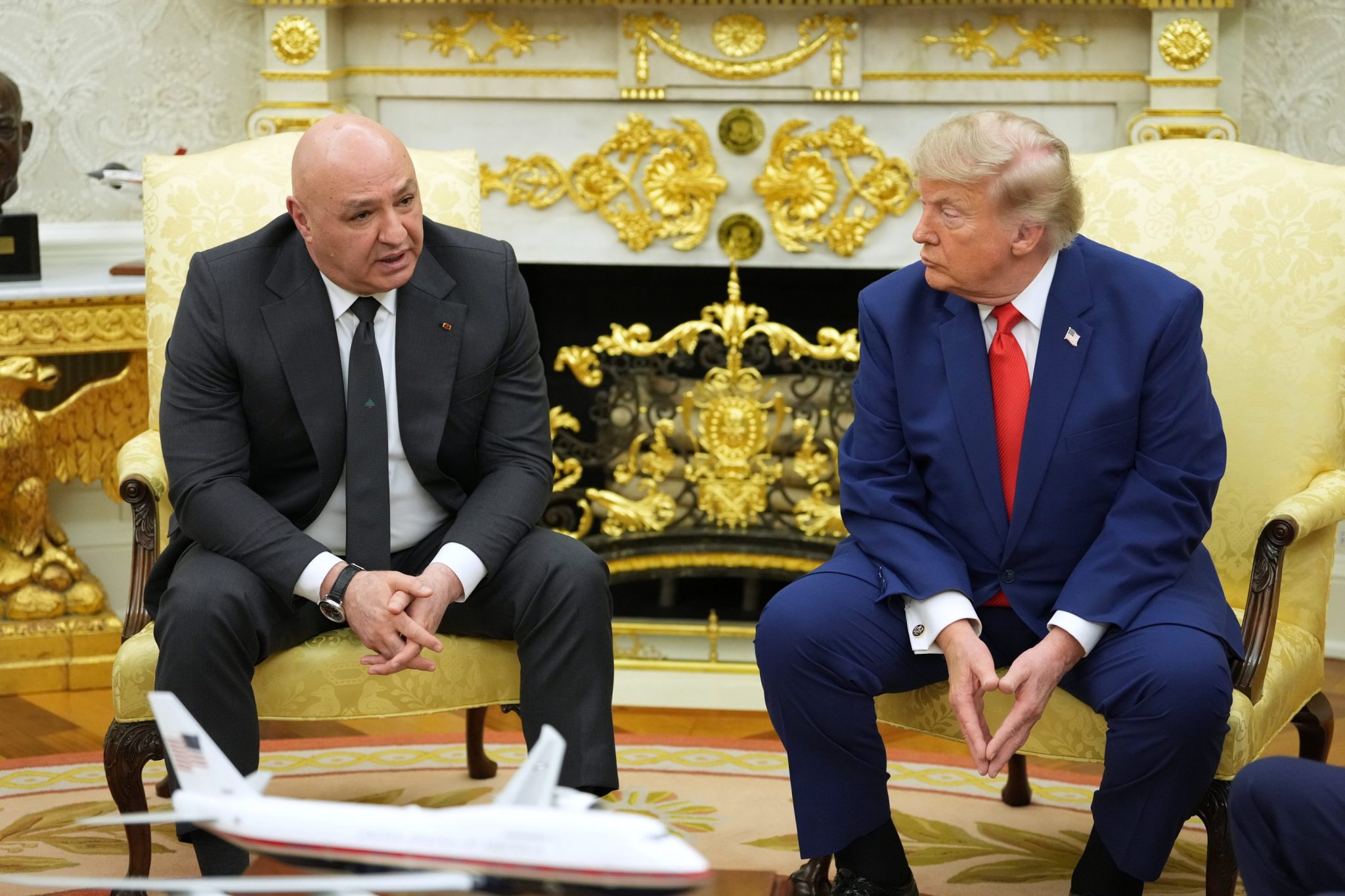
President Donald Trump said Tuesday that the United States would help Lebanon and later directed his administration to permit U.S. airlines to fly there directly, ending a suspension that has lasted more than four decades. The announcement came as Lebanese President Joseph Aoun sought U.S. backing for a fragile plan meant to calm the border after months of fighting involving Israel and Hezbollah.
Aoun’s visit to the White House was the first by a Lebanese president since 2009. Trump told Aoun that Lebanon had been mistreated and said Washington would give the country substantial help, though he did not spell out what that would include.
Hours after the meeting, Trump said on social media that he was instructing his administration to let all U.S. carriers fly directly to Lebanon so Americans could visit. Direct U.S.-Lebanon flights were halted in 1985 under President Ronald Reagan after the hijacking of TWA Flight 847.
The broader talks focused on Lebanon’s push for Israel to withdraw troops from areas of southern Lebanon and for the Lebanese military to gain authority in places where Hezbollah has long held influence. Trump said Israeli forces were in the process of redeploying, but he did not give details.
Aoun praised Trump’s approach as a peace effort and called it part of Trump’s legacy. Trump joked in response and complimented Aoun, saying the Lebanese leader knew how to appeal to him.
Test zones begin under U.S.-backed framework
Lebanon and Israel announced a framework agreement on June 26 that calls for Israeli withdrawal and Hezbollah’s disarmament, beginning with limited pilot areas. The agreement also outlines steps toward a possible peace deal between two countries that have no formal diplomatic ties and have remained in a technical state of war since Israel’s founding.
The U.S. State Department said Monday that work had started in three villages in one pilot area. Two of those villages, Froun and Srifa, were not under Israeli military control and already had Lebanese army forces present, while Israeli forces had previously been in part of Zawtar al-Gharbieh.
The Israeli military said it would alter its force posture in one pilot area so the Lebanese Armed Forces could carry out their role, without naming the location. The Lebanese army said it began deploying in Zawtar al-Gharbieh on Tuesday.
Conflicting accounts quickly emerged. A Lebanese military official said the army was not certain whether Israeli troops had been inside Zawtar al-Gharbieh before Tuesday, while an Israeli military official said Israeli forces had not been there for some time and had not withdrawn from it. Both officials spoke anonymously under military rules.
The Lebanese military said Israeli troops fired near an area where Lebanese soldiers were deploying. The Israeli military said Lebanese forces entered an area outside the pilot zone and that Israeli troops fired warning shots into the air. Lebanon’s army disputed that account and said its troops were inside the agreed zone.
Hezbollah issue remains central
Trump also referred to what he called Lebanon’s Hezbollah problem and suggested he could speak with the group if Aoun wanted. He again raised the idea of Syria acting against Hezbollah, though he did not commit to it.
Secretary of State Marco Rubio told Aoun on Sunday that Washington would support the framework agreement and its full implementation. Rubio said Lebanon could not be fully at peace until the Hezbollah issue was resolved and argued that the Lebanese government must become the sole armed authority in the country.
Lebanese skeptics fear a confrontation with Hezbollah could trigger civil conflict. Lebanese officials have argued that Israeli withdrawal and financial support for the country’s strained army are needed for a lasting security arrangement.
Israeli officials have said they plan to keep troops long term in a security zone in southern Lebanon. Hezbollah has rejected the U.S.-brokered direct talks and has backed U.S. discussions with Iran, its main ally, as the route to ending the fighting.
Lebanon’s government, which took office in early 2025 on a reform platform, has pledged to disarm non-state groups including Hezbollah. Lebanese leaders have blamed Hezbollah for drawing the country into another war with Israel after the group fired rockets toward northern Israel in March, while also condemning Israel’s ground invasion and air campaign, which they say has killed more than 4,000 people and displaced 1.2 million.
This story draws on original reporting from Fortune.