
Trump Iran attack plan raises risk of wider regional war
The Wall Street Journal says Trump ordered new Iran strikes, while CBS reports energy sites are under consideration.
By Hana Yoshida · Markets Reporter
3 min read
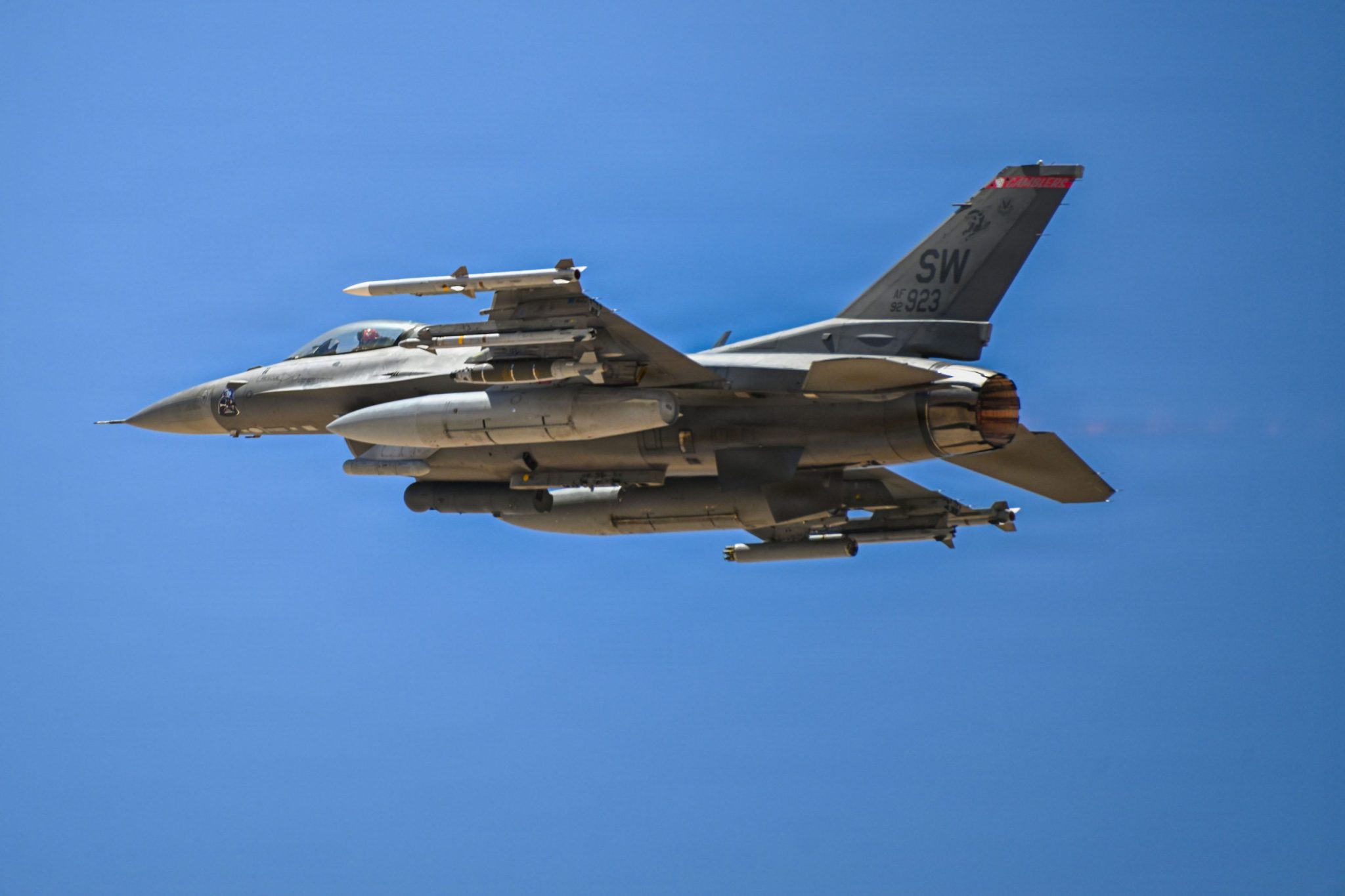
The Trump Iran attack plan now under review could move quickly: The Wall Street Journal reported Friday that President Donald Trump has directed the US military to launch new strikes on Iran as early as this weekend. The newspaper, citing unnamed US officials, said the aim is to pressure Tehran into surrendering.
The report followed Trump’s public doubts about further talks with Iran and his renewed threats of force after an attack on a US base in Jordan. Speaking during a Cabinet meeting Friday, Trump said the US would hit Iran “very hard” and predicted Iranian leaders would eventually say they could not withstand the pressure.
What is the Trump Iran attack plan?
The Wall Street Journal reported that the planned operation would be a new US military assault intended to force a change in Iran’s position. CBS, in a separate report, said US officials are weighing attacks on energy infrastructure, including oil refineries and power plants.
That option would represent a sharp escalation in the conflict. Advocacy groups say deliberate attacks on civilian targets could be considered war crimes, and energy facilities can be central to civilian life as well as military logistics.
White House Press Secretary Karoline Leavitt did not directly confirm or deny reports of an imminent attack. In a statement, she said Iran would “continue to pay” until it comes to negotiations in a way Trump considers meaningful.
Oil markets reacted after the CBS report. West Texas Intermediate crude climbed above $86 a barrel in post-settlement trading Friday afternoon, according to the report.
How did the conflict get here?
The war began Feb. 28 with large airstrikes by the US and Israel, according to the report. Iran then moved to effectively close the Strait of Hormuz, a key route for shipments of oil, natural gas and fertilizer.
Iran’s military has been outmatched by US forces, but Tehran’s drone and missile attacks on Persian Gulf neighbors have disrupted business and daily life across the region, according to the report. This week, Egypt was pulled further into the conflict when drones hit two liquefied natural gas ships at the port of Damietta.
The conflict has also strained US military supplies, especially air defense interceptors used to protect bases from incoming attacks. Trump has often threatened broader military action during the war and then changed his position later, according to the report.
What does it mean for talks and oil prices?
Trump told reporters earlier Friday at Camp David that he was losing confidence in Iran, saying Iranian officials lie and misrepresent their position. Iranian leaders have made similar accusations against Washington, saying the US has failed to honor commitments and cannot be trusted.
Each new round of fighting has pushed oil prices higher, according to the report, and gasoline costs have added to voter frustration over food, housing and other expenses. With congressional control at stake in November’s midterm elections, polls cited in the report show voters widely disapprove of Trump’s handling of the war and the economy.
This story draws on original reporting from Fortune.