
Towns use zoning and moratoriums to slow data center boom
Harvard researcher Rachel Mural says U.S. communities are pushing back on data centers over water use, noise, pollution and power costs.
By Hana Yoshida · Markets Reporter
3 min read
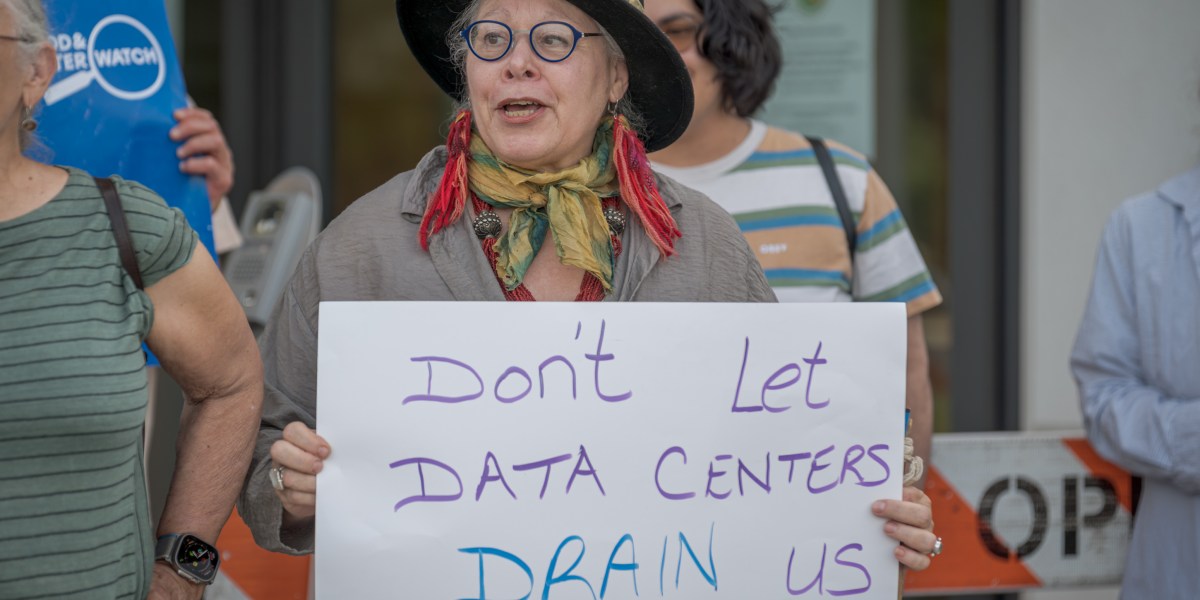
Local governments across the U.S. are using moratoriums, zoning fights and ballot measures to slow data center projects, according to Harvard Kennedy School researcher Rachel Mural. The pushback matters because artificial intelligence demand is driving a wave of proposed facilities that can strain local water, power and land-use systems.
Mural, a senior research associate in environment and natural resources and science, technology, and public policy, wrote in The Conversation that the conflict pits tech companies’ build-out plans against communities seeking more control over development. She said the disputes involve local needs, state and federal politics, and the influence of large technology firms.
AI demand is driving proposals
Technology companies argue that data centers support online communications, shopping, banking and digital services, Mural wrote. They also say the facilities can bring jobs, growth, better connectivity and economic development to host communities.
The pressure to build has increased as companies prepare for greater demand from artificial intelligence. Mural cited Cleanview data showing more than 1,000 pending data center proposals across the United States.
Federal policy is also encouraging development, according to Mural. She wrote that the Trump administration has treated data center capacity as a strategic priority, described it as a measure of U.S. strength and indicated that some federal rules affecting the industry may be loosened.
Communities cite local costs
Mural said residents and local officials often see the drawbacks before they see the promised benefits. She pointed to concerns about air pollution, noise, water consumption for cooling and the power infrastructure needed to run the facilities.
Electricity prices have continued to rise faster than inflation, and Mural wrote that data center-related power investments are one factor in that pressure. She said those costs can fall on families even when they do not directly benefit from a project.
Some local governments are responding with temporary pauses. Mural said cities and counties without detailed data center rules are using short-term moratoriums to consider limits on locations, electricity use, water conservation and noise controls.
In Merrillville, Indiana, town council president Rick Bella said a one-year moratorium would let officials assess “real-world impacts” and learn from a nearby project before deciding what fits the town, according to Mural. Merrillville is about 40 miles southeast of Chicago.
Other communities are trying to block projects by cutting off key services. Mural cited the Ypsilanti Community Utilities Authority near Detroit, which in April 2026 approved a one-year halt on water and sewer actions for data centers, a step that could affect a project involving the University of Michigan and Los Alamos National Laboratory.
State and local officials clash
Voters are also getting involved. Mural wrote that communities in Ohio, Wisconsin, Maryland, Nevada and California have placed data center issues on local ballots, including questions involving construction bans, tax incentives and zoning rules.
The fights have also exposed divisions between state and local officials. In Hood County, Texas, officials rejected a proposed six-month moratorium after a state senator asked the Texas attorney general to intervene, Mural wrote.
West Virginia passed a 2025 law limiting local authority over data centers and microgrids, according to Mural. A comparable proposal in New Hampshire failed in May 2026.
Developers have turned to courts in some disputes. Mural wrote that companies sued Saline Township, Michigan, and Chatham County, North Carolina, seeking to overturn local zoning decisions so data center projects could proceed.
Public resistance has had political consequences. Mural cited Sunbury, Ohio, where officials considered a moratorium after protests over a proposed data center, and Festus, Missouri, where voters in April 2026 removed several City Council members who had supported a data center despite local opposition.
Mural wrote that there is no single answer to whether a community should host a data center. Her conclusion was that residents are asking for slower decisions, more transparency and a direct role in shaping how AI infrastructure is built where they live.
This story draws on original reporting from Fortune.