
Tom Lee says AI-led stock pullback is likely to rebound
Fundstrat’s Tom Lee says leverage has intensified the selloff, but he sees the AI trade recovering later this year.
By Sofia Marchetti · World Affairs Correspondent
3 min read
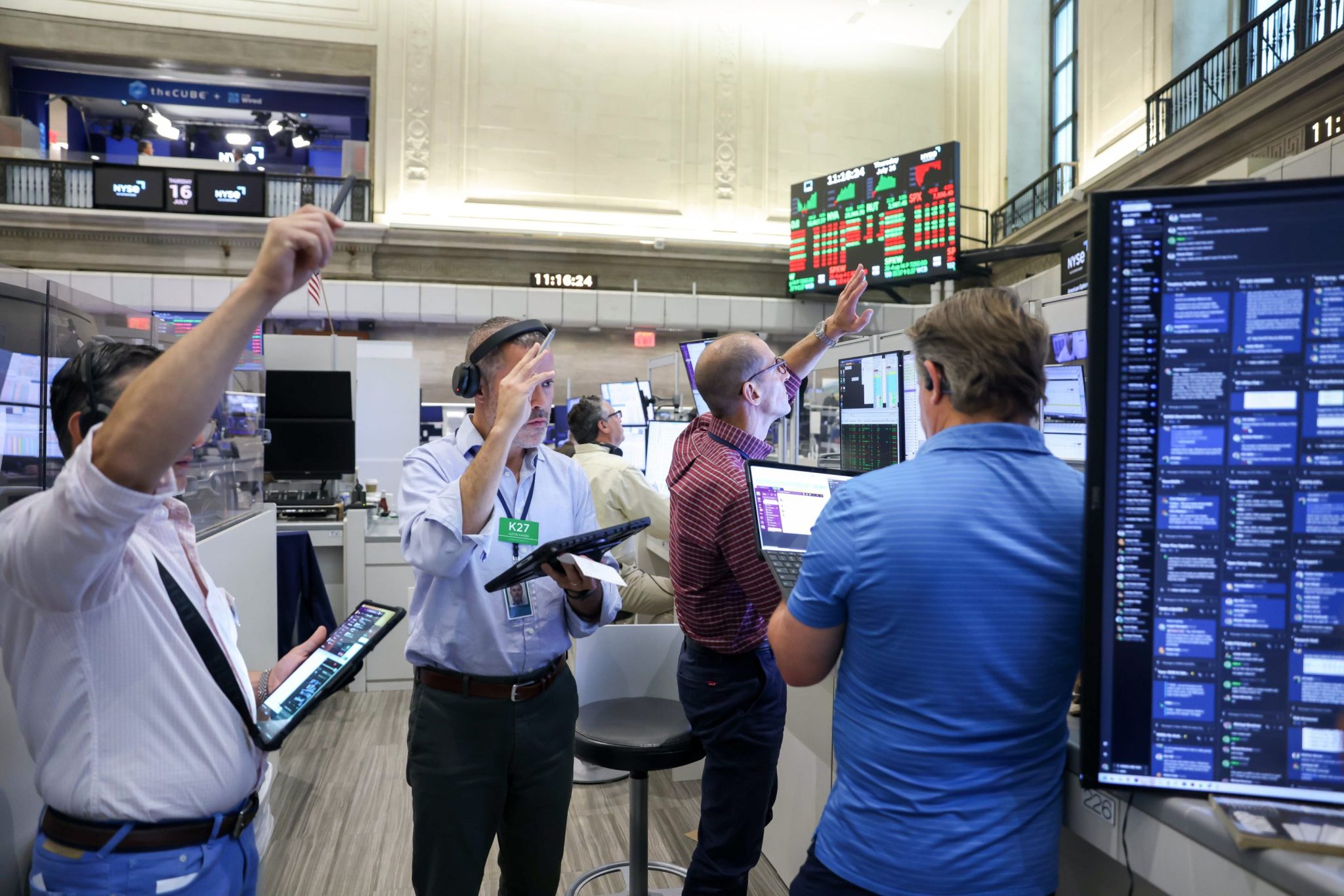
AI-linked stocks have sold off as investors reassess a trade that had carried major indexes higher, but Fundstrat Global Advisors co-founder Tom Lee says the retreat is likely to give way to a rebound. Fortune reported that chip shares have led the decline, leaving the S&P 500 down 1.6% for the week and the Nasdaq lower by 2.9%.
Lee told CNBC on Friday that the companies under pressure remain central to U.S. ambitions in artificial intelligence and still have several years of growth ahead. He said the latest pullback may help reduce speculative excess before AI companies begin reporting earnings.
“I would still stick with those,” Lee said on CNBC. “I think those names are going to bounce later this year. So I don’t think that the trade is over.”
The latest pressure followed the release of a Chinese AI model that raised fresh questions about the scale of spending planned by large cloud and technology companies, Fortune reported. Investors have been focused on whether so-called hyperscalers can justify hundreds of billions of dollars in data center and AI infrastructure outlays.
Lee said leverage has made the market more volatile. He described zero-day options and leveraged funds as “push-button liquidity for everybody,” according to CNBC.
Lee estimated that margin debt has risen 54% from a year earlier, which he said would rank as the sixth-largest increase in 60 years. In the five larger episodes, he said, stocks also went through a period of consolidation.
South Korea has shown how leverage can amplify a market reversal, according to Lee. Fortune reported that enthusiasm around chipmakers SK Hynix and Samsung helped fuel heavy stock trading and demand for leveraged exchange-traded funds tied to the country’s AI-related winners.
The rally has since reversed. Fortune reported that the Kospi has dropped 27% from a record high reached last month, putting the index in bear market territory.
Lee said 1.2 million brokerage accounts in South Korea faced margin calls, equal to as much as 10% of the country’s accounts. Forced selling to meet those calls helped drive a sharp correction, he said.
The stress has affected global markets because investors have treated major AI names as market bellwethers, Fortune reported. SK Hynix comments last month about slowing its AI memory business triggered the Kospi’s fifth-worst daily drop and weighed on indexes overseas, according to the report.
Lee said the U.S. selloff has been much milder by comparison, with the S&P 500 about 2% below its recent high and the Nasdaq down 6%. He told CNBC the pullback looked healthier because losses were concentrated in parts of the market rather than spread evenly across stocks.
Debt investors have also shown more caution toward the AI buildout. Apollo Global chief economist Torsten Slok wrote Wednesday that investor orders for hyperscaler bonds have fallen sharply relative to the amount of debt being issued.
Slok said the cover ratio for hyperscaler bonds dropped from nearly five times in February 2026 to below two times in July. He warned that investors may require wider spreads to absorb more issuance, while the overall investment-grade bond cover ratio fell by about half a point over the same period.
JPMorgan strategists wrote Tuesday that the widening in hyperscaler debt reflects investors trying to price a faster pace of issuance. Fortune reported that tech companies have also turned to non-dollar debt markets as the dollar bond market absorbs heavy supply, while AI-related borrowing competes with Treasury issuance tied to a federal deficit on track to reach $2 trillion this fiscal year.
This story draws on original reporting from Fortune.