
U.S. troop deaths raise risk of wider Iran war as Hormuz fighting grows
Iran’s attack on a U.S. base in Jordan has intensified pressure on Trump as strikes, shipping disruption and oil-market worries mount.
By Daniel Okafor · Business Editor
3 min read
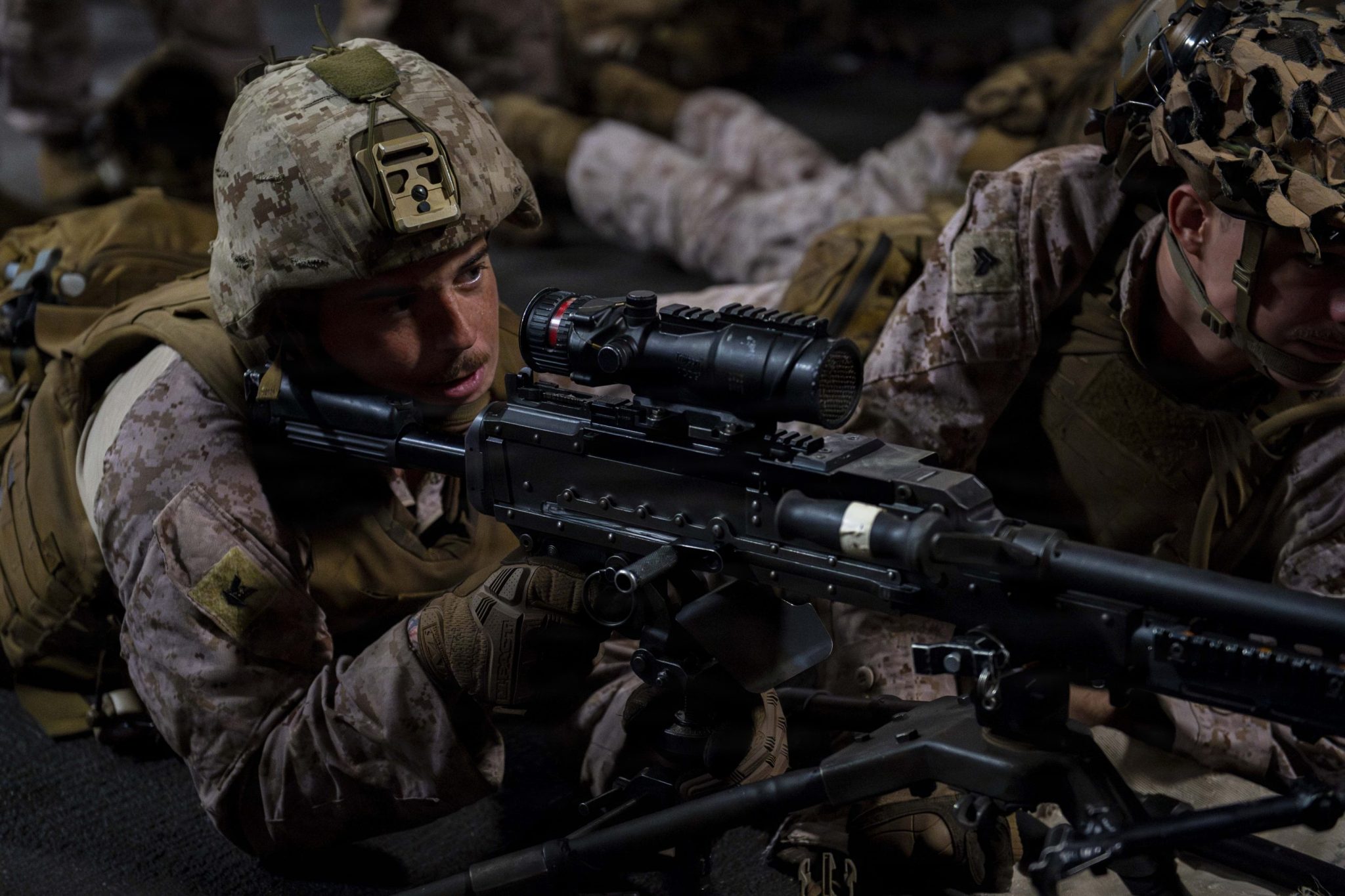
The deaths of U.S. service members in an Iranian attack on a base in Jordan have raised the risk that the United States could return to broader war with Tehran. The casualties matter because President Donald Trump previously told aides that killing American troops could prompt him to end a ceasefire and resume full-scale fighting, according to the Wall Street Journal.
The latest escalation follows a week of widening clashes across the Persian Gulf region. Fortune reported that the U.S. military has restored a naval blockade and carried out several days of strikes on Iran, with attacks focused first on coastal areas near the Strait of Hormuz and later expanded to infrastructure such as railways that could move weapons.
Iran, meanwhile, has attacked commercial vessels and targets in neighboring countries while aiming at U.S. military assets, according to Fortune. Tehran has also hit energy facilities and water desalination plants, widening the pressure beyond military sites.
The fighting remains below the scale seen at the start of the war, Fortune reported. But the U.S. deaths have put the conflict near a threshold Trump had privately identified before the now-collapsed memorandum of understanding between Washington and Tehran.
Asked whether the United States would return to all-out war, the White House responded only with a Central Command statement announcing the casualties, according to Fortune.
Strait of Hormuz disruption strains oil markets
Oil prices have risen as the fighting has intensified, Fortune reported, increasing concern that a wider war would send another shock through global markets. The report said consuming countries have reduced oil stockpiles to their lowest level in decades, leaving limited room to absorb another prolonged closure of the Strait of Hormuz.
The United States had set up an alternative passage through the narrow waterway to avoid an Iranian-controlled corridor, but renewed fighting has effectively closed that option, according to Fortune. MarineTraffic reported that on Friday it detected no crossings on the U.S.-backed route and no movements by the shadow fleet, while Iran’s route recorded seven transits.
Fortune reported that U.S. and Israeli bombardment has not toppled Iran’s government or fully reopened the strait. Iran’s economy has been badly damaged and its conventional forces have been weakened, but the Islamic Republic still has enough military capacity to deter commercial shipping and continue attacks, according to the report.
Ceasefire prospects fade
Prospects for a new round of negotiations have dimmed. Fortune reported that some officials had previously appeared open to talks despite public defiance from Tehran after U.S. strikes.
The blockade has also sharpened divisions inside Iran, according to reports cited by Fortune. Pragmatists privately acknowledged that the earlier blockade had crushed the economy, while the renewed blockade reportedly deepened a split with hard-liners who favor more aggressive fighting.
On Saturday, Iran’s supreme leader warned of “unforgettable lessons” if U.S. attacks continue and described Trump’s signature as “worthless and invalid,” according to Fortune. The United States blames Iran for breaching the ceasefire by refusing to reopen the strait and attacking ships outside Tehran’s approved corridor.
Ali Vaez, Iran Project Director at the International Crisis Group, wrote in a New York Times opinion article that the immediate fight is over control of the Strait of Hormuz but that the stakes are broader. He warned that the collapse of even a limited understanding could erase the last restraint between periodic clashes and a long war.
Gregory Brew, senior analyst for Iran and energy at Eurasia Group, told Fortune that there is no military solution for reopening the strait because Iran will not surrender its main leverage. Brew said some form of Iranian fee for passage appears likely and predicted the Trump administration would escalate first, see that fail, and eventually seek a deal.
This story draws on original reporting from Fortune.