
Desalination plants hit as U.S.-Iran strikes widen in Gulf
Kuwait reported damage to water and oil facilities as the U.S. and Iran traded new strikes tied to the fight over the Strait of Hormuz.
By Daniel Okafor · Business Editor
4 min read
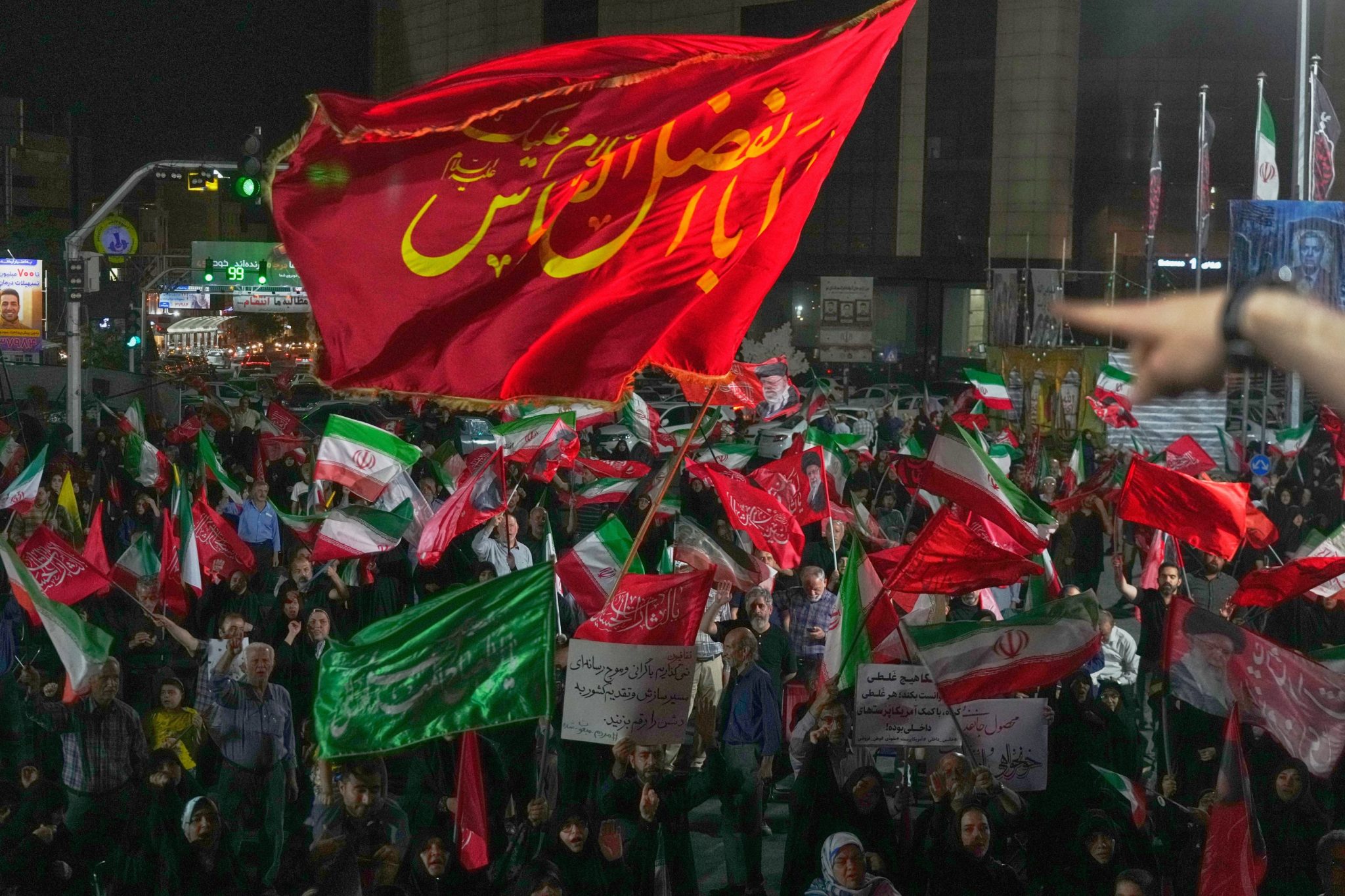
The United States and Iran traded new attacks on infrastructure and military targets Saturday as fighting over the Strait of Hormuz spread across the Gulf. The strikes raised fresh concerns for Kuwait, where desalination supplies most drinking water.
U.S. Central Command said early Saturday that a seventh consecutive night of American strikes hit Iranian surveillance sites, military logistics infrastructure, underground weapons storage and maritime capabilities. Kuwait authorities and the Kuwait Petroleum Corporation said Iran struck a desalination plant and an oil facility, though they did not identify the sites.
Kuwaiti officials said the oil facility attack injured several people. They said the desalination plant caught fire and several power generation units were forced offline.
The desalination strike was the second attack on such a facility in Kuwait in two days, according to authorities cited in the report. Kuwait relies on desalination for 90% of its drinking water, making the plants central to civilian life in the desert state.
The Kuwait Fire Force said several firefighters and a worker were injured while responding to two other fires caused by Iranian strikes. Kuwait briefly closed its airspace Saturday morning because of missile threats, and Kuwait Airways said it was rescheduling most flights to and from the capital.
Air defenses active across the region
Several Middle Eastern governments reported Iranian attacks or missile alerts Saturday. Iraq said it shot down attack drones over Irbil, while Jordan’s state-run Petra news agency said Jordanian air defenses intercepted Iranian missiles.
Authorities in Bahrain and Saudi Arabia reported air sirens, with Bahrain hearing them several times during the day and Saudi Arabia in the morning. The Islamic Revolutionary Guard Corps warned Saturday that countries hosting U.S. forces should be ready for a “corresponding response,” according to Iranian state television.
Iranian officials said recent U.S. strikes have killed dozens and wounded hundreds in Iran. U.S. officials said 13 additional American service members, 10 Army soldiers and three Navy sailors, had been injured since Monday; they gave no further details. Since the war began, 14 U.S. service members have been killed and 427 wounded, according to U.S. officials cited in the report.
Iranian infrastructure also struck
Iranian state television said U.S. airstrikes hit an electricity and desalination plant in Hormozgan province, near Bonji on Iran’s coast along the Strait of Hormuz. Iran’s state-run news agency said overnight attacks damaged two tunnels and a bridge, disrupting a main highway toward Bandar Abbas, a port city near the strait’s narrowest point.
Iran also reported strikes on Qeshm Island inside the strait. A day earlier, Iranian state media said U.S. attacks hit highways and railway bridges in what appeared to be an effort to cut Bandar Abbas off from routes toward central Iran and Tehran.
Iran’s Energy Ministry acknowledged attacks on power infrastructure for the first time Friday when it urged residents in southern provinces facing extreme heat to use less electricity. The ministry did not say what facilities were hit.
Iranian authorities said at least 50 people have been killed and more than 500 wounded in U.S. strikes over the past three weeks, including eight people killed Friday in a bridge strike.
Hormuz remains the focus
The wider war began Feb. 28, after earlier U.S. talks with Iran over its nuclear program. An interim ceasefire has collapsed, and the conflict has increasingly centered on control of the Strait of Hormuz.
Iran effectively closed the strait to shipping after the war began, according to the report, and has said the waterway should be under its sole control with vessels paying fees to Tehran. The strait has long been treated internationally as a global waterway and in peacetime carried about a fifth of traded oil and natural gas.
MarineTraffic.com said crossings through the strait fell to a three-week low of eight vessels on Thursday. Oil rose above $86 a barrel Friday, near a one-month high, as traffic through the waterway declined.
President Donald Trump said Thursday that the war was going well. “We are likewise winning big in Iran, and you will see the fruits of that labor very, very shortly,” he said.
This story draws on original reporting from Fortune.