
Students shift majors as AI job worries grow
Goldman Sachs says enrollment is falling in AI-exposed majors and rising in fields such as health care and engineering.
By Sofia Marchetti · World Affairs Correspondent
3 min read
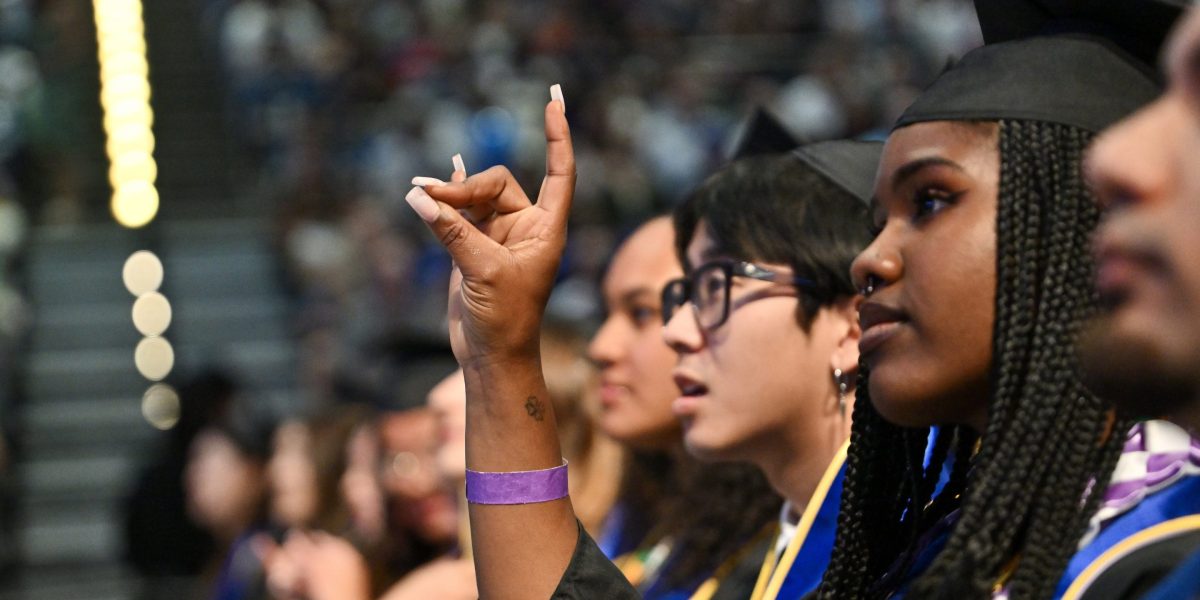
College students are changing course as artificial intelligence reshapes expectations for entry-level work, according to a new Goldman Sachs analysis. The shift matters for employers and universities because students appear to be reacting to labor-market risk before graduation.
Goldman Sachs said Monday that enrollment in computer science and computer programming majors each dropped by more than 10% in the 2025-26 academic year. The firm said health care and engineering programs rose by about 3% on average over the same period.
Goldman economists described the change as the first statistically significant sign in enrollment data that students are adjusting academic choices in response to AI-related job risk. The firm said it did not find the same pattern before the 2024-25 academic year.
How Goldman measured AI exposure
Goldman built a risk index by connecting more than 180 college majors to the jobs recent graduates actually entered, using American Community Survey data from 2022 through 2024. The firm then applied AI automation risk scores across more than 300 occupations to estimate which majors feed into more exposed work.
The analysis ranked management and quantitative methods, computer science, and statistics and decision sciences among the majors with the highest displacement risk. Goldman said pharmacy, nursing and education-related fields were among the lower-risk areas.
Majors that often lead into professional and business services also carried elevated risk in Goldman’s analysis. The firm cited consulting, finance and legal work as examples of fields where graduates may face more exposure to AI-driven automation.
Goldman economist Pierfrancesco Mei wrote that academic research has long found links between students’ choice of major and labor demand. He said students tend to move toward fields connected to stronger job and wage growth, though such changes have typically taken several years because students need time to observe outcomes and because switching majors can be difficult.
Mei said the current response may be happening faster because AI disruption is receiving so much attention. Goldman also said the latest pattern may be quicker than past adjustments tied to technological change.
Surveys show students are worried
Goldman cited a Gallup and Lumina Foundation survey that found about 42% of bachelor’s degree students had reconsidered their major because of AI. The same survey found roughly half were weighing AI’s labor-market effects in their academic decisions.
A separate April survey cited in the report found about 70% of college students saw AI as a threat to their job prospects. Goldman said its enrollment figures suggest those concerns are starting to show up in actual course-of-study decisions.
The firm also pointed to broader pressure on younger workers. Goldman estimated that AI is cutting about 11,000 U.S. jobs a month and said Gen Z is taking a disproportionate share of the hit.
Fortune reported in May that AI was contributing to an “experience gap” by reducing some entry-level jobs and internships that have traditionally helped new graduates build credentials. Goldman’s findings suggest some students are trying to avoid that squeeze by choosing fields with lower measured AI exposure.
Goldman said health care and engineering have both attracted more students and offer stronger job growth with lower AI exposure. The firm also noted limits: nursing programs face capacity constraints, and engineering programs can take four to five years before new students enter the workforce.
Goldman’s report drew on its earlier research into earlier technological shifts, including personal computing, the internet and offshoring. The firm said younger workers have often adjusted more readily than older workers, while people already in high-risk jobs may have less room to retrain.
This story draws on original reporting from Fortune.