
Android 17 rolls out to Pixel phones with floating app windows
Google is releasing Android 17 for compatible Pixel phones, adding multitasking tools, screen-recording features and June Pixel Drop updates.
By James Whitfield · Staff Writer
3 min read
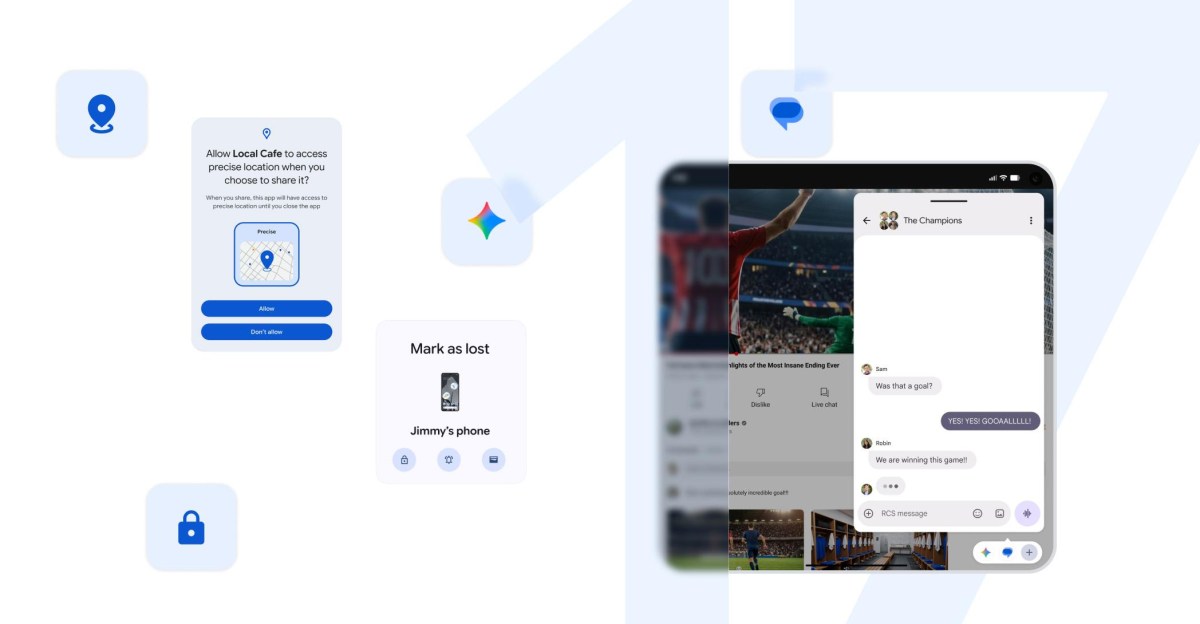
Google has started rolling out Android 17 to compatible Pixel phones, bringing its latest mobile operating system to the company’s own devices first. The release matters for Pixel owners because it also arrives with a June Pixel Drop that adds several features reserved for Google’s phones.
Google said Android 17 will reach devices from other manufacturers during 2026. The Verge reported that the update follows Android 17’s official debut last month and that some features shown at Google’s pre-I/O Android Show are not part of this first release.
Floating windows become part of Android
Google’s main interface change in Android 17 is Bubbles, a system for opening apps in floating windows after a long press. The Verge noted that similar windowing tools have appeared in some Android versions from phone makers, but Android 17 makes the idea part of the operating system itself.
Google is giving Bubbles more room to work on larger devices. On foldables and tablets, Android 17 includes a bubble bar at the bottom of the display, which Google says is meant to make switching among floating app windows easier.
The update also adds Screen Reactions, a feature for recording selfie video while capturing the screen. Google is aiming the tool at people making reaction-style clips for social platforms, according to The Verge.
Foldables, games and safety tools
Google is adding more controls for foldable phones in Android 17. The Verge reported that supported foldables can show touch-based gaming controls on the lower half of the display while the game remains on the upper half.
Android 17 also brings native controller remapping to Android phones, according to The Verge. Google’s update includes expanded parental controls and security features as well, though The Verge did not list every change in those categories.
Pixel Drop adds AI and calling features
The June Pixel Drop includes several Pixel-only additions, many of them expansions of tools Google had already introduced. Google is adding the Gemini Omni model to the Gemini app for creating video from text prompts, while Lyria 3 will offer text-to-music creation, according to The Verge.
Google’s Quick Share support for Apple AirDrop is expanding to the Pixel 8A and Pixel 9A, The Verge reported. Voice Translate for phone calls is coming to the Pixel 10A.
Take a Message, a calling feature, will now work on every Pixel model from the Pixel 6 onward, according to The Verge. India remains an exception, where the feature is still limited to the Pixel 10 series.
Google Photos is also expanding conversational editing to the UK, Germany, France, Spain and Italy, The Verge reported. Magic Cue suggestions will appear in additional messaging apps, though Google did not identify which apps are included.
Some announced features are still waiting
Several Android 17 features announced during Google’s Android Show are not arriving with today’s rollout, according to The Verge. Google said its Gemini Intelligence features are planned for “select advanced devices” later this summer.
Those later AI tools are expected to include Rambler transcription, AI-generated widgets and broader Task Automation, The Verge reported. Google has not confirmed release timing for other announced features, including redesigned emoji and the Pause Point wellbeing tool.
This story draws on original reporting from The Verge.