
Study links student loan relief hopes to higher delinquency risk
An NBER paper found borrowers expecting federal student loan forgiveness cut payments, spent more and were more likely to fall behind.
By Sofia Marchetti · World Affairs Correspondent
3 min read
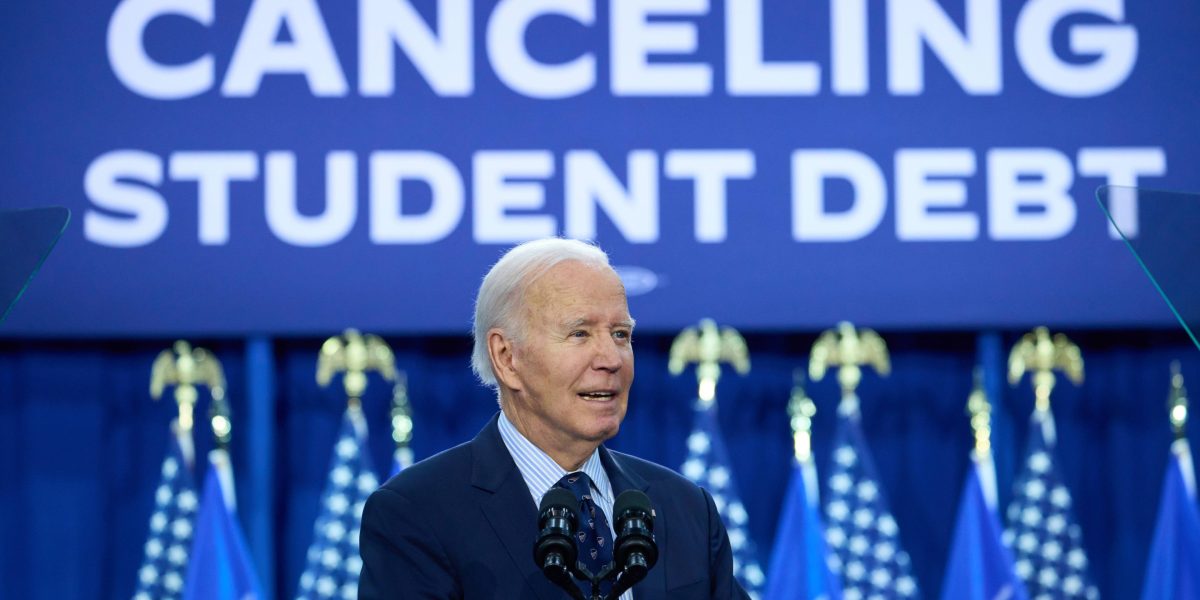
A new National Bureau of Economic Research working paper links shifting federal student loan policy signals to worse outcomes for borrowers who expected debt cancellation. The study found those borrowers were 7.5 percentage points more likely to be at least 90 days behind on their loans by May 2025.
The findings matter for households that made spending and repayment choices while federal loan rules kept changing. According to the paper by Dmitri Koustas, Michael Weber and Constantine Yannelis, borrowers who anticipated forgiveness reduced loan payments, increased spending and were less prepared when bills returned.
President Joe Biden said in August 2022 that the federal student loan payment pause would be extended one “final” time, Fortune reported. The pause was later extended again, and payments ultimately resumed in October 2023.
Biden also announced an executive order in August 2022 that would have canceled $10,000 in debt for most eligible borrowers and $20,000 for Pell Grant recipients, according to Fortune. The Supreme Court blocked that plan in June 2023.
Borrowers changed payments and spending
The NBER paper connected survey responses about borrowers’ expectations with credit bureau records and consumption data, according to Fortune. Researchers tracked beliefs about forgiveness from 2022 through mid-2025.
Borrowers who were more optimistic about loan cancellation cut their monthly student loan payments by $40 and increased non-durable spending by $100 a month, the study found. Fortune reported that some borrowers also moved into longer repayment terms to keep payments lower while waiting for relief.
Yannelis, an economist at the University of Cambridge and a co-author of the paper, told Fortune that borrowers who planned around relief that did not arrive could make financial choices that later hurt them. He said some people who expected forgiveness failed to plan for resumed payments and ended up delinquent.
The study also found that more optimistic borrowers spent more on durable goods, including cars and, in some cases, homes, according to Fortune. Researchers estimated that welfare losses from wrong expectations could reach as much as 43% of the original loan balance in the most extreme cases, or about $21,500 for a borrower with $50,000 in debt.
Payment restart added pressure
Fortune reported that the payment pause had been extended seven times before regular billing resumed. Borrowers who expected more extensions were among those least ready when repayment requirements returned and the Trump administration later maintained collections policy for defaulted loans, according to the report.
The return to repayment was also marked by servicing problems, including errors and miscalculated bills, Fortune reported. The study’s findings add a household finance angle to the broader debate over student debt cancellation, which has often focused on fairness and federal cost.
Yannelis told Fortune that clearer fiscal guidance from politicians would help consumers make better plans. He also said the erosion of trust around student loans could carry over to other public finance issues, including Social Security, where future benefit rules remain a concern for many households.
This story draws on original reporting from Fortune.