
Strait of Hormuz ship traffic plunges amid renewed security risks
Vessel movements through the key oil route have dropped sharply as U.S.-Iran tensions and regional maritime threats disrupt trade.
By Sofia Marchetti · World Affairs Correspondent
3 min read
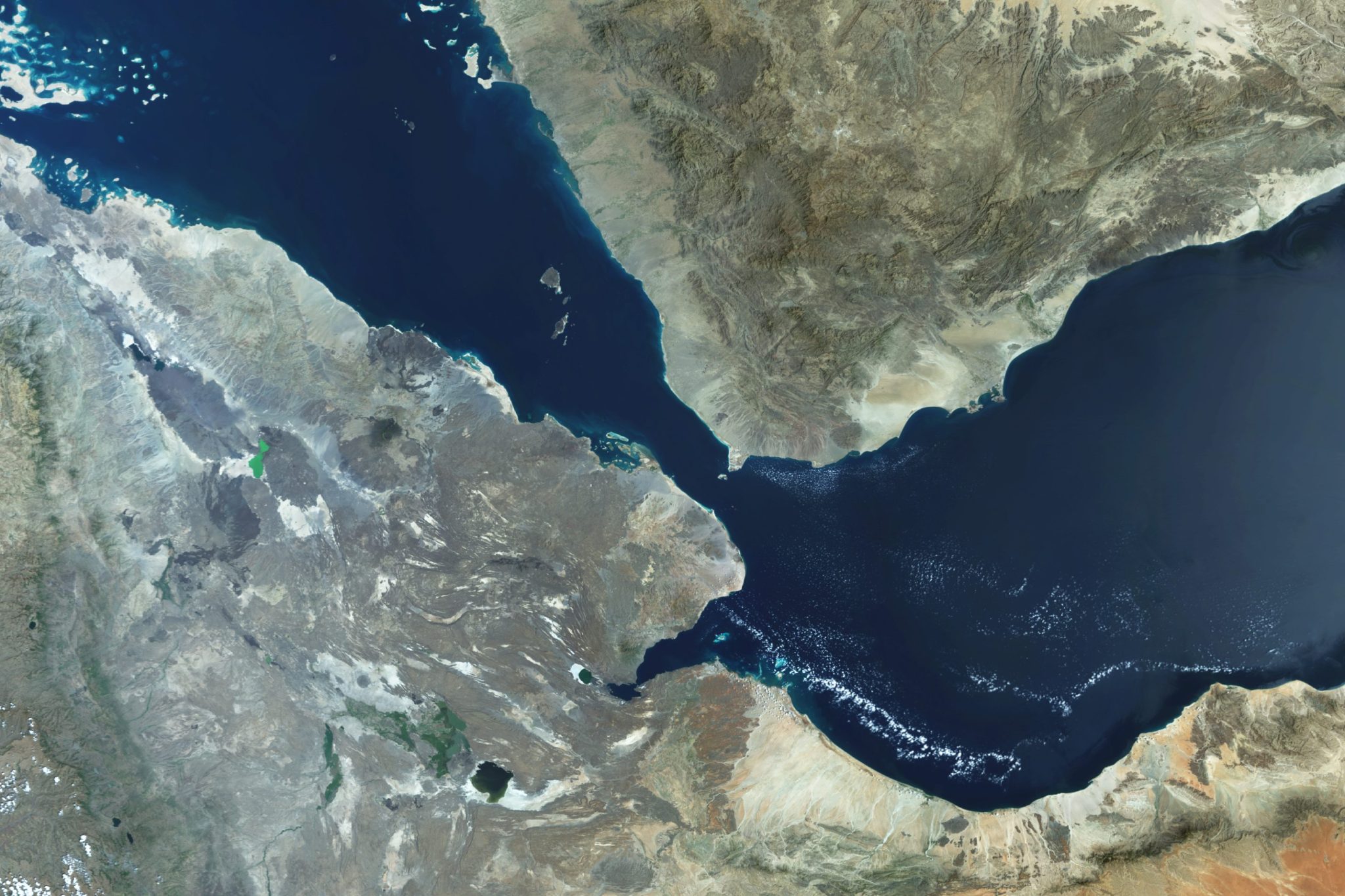
Ship movements through the Strait of Hormuz have slowed sharply after renewed U.S.-Iran fighting and fresh threats to vessels in the region. The disruption matters because the narrow waterway is one of the world’s most important routes for oil and gas shipments.
Maritime intelligence firm Kpler said transits through the strait fell to eight vessels on July 16, down from 15 a day earlier and the lowest level in three weeks. Lloyd’s List Intelligence said total crossings for July 14-20 were 66.2% lower than in the prior seven-day period.
Fortune reported that recent Iranian attacks on ships, along with the return of a U.S. blockade targeting Iran-linked shipping, led many vessels to stop or turn back. Before the conflict began on Feb. 28, an average of 138 ships a day passed through the strait, according to the Joint Maritime Information Center.
Dimitris Maniatis, chief executive of Athens-based maritime risk management company Marisks, described the change during a Lloyd’s List Intelligence briefing last week. “With the recent events, everything has changed,” Maniatis said. “We’ve gone back to the worst-case scenario. Nobody is willing to move.”
Jakob Larsen, chief security officer at shipping association BIMCO, said the standard traffic separation route through the middle of the Strait of Hormuz remains too dangerous because of the mine threat, according to Fortune. The route has been a central issue as the U.S. and Iran disagree over how shipping should restart under a June 17 memorandum of understanding.
Fortune reported that Iran had promised to ensure normal transit under that agreement, but the document did not identify which lanes ships should use. That gap has left shippers facing uncertainty even as governments discuss how to restore movement through the passage.
Risks have also widened beyond Hormuz. Reuters reported that the Houthis, the Iran-backed Yemeni group, said on July 20 that they were imposing a maritime blockade on Saudi Arabia in response to what the group called the kingdom’s siege of Yemen’s capital, Sana’a.
Fortune reported that a full shutdown of the Bab el-Mandeb Strait, the southern entrance to the Red Sea, would stop Saudi oil exports to Asia and could cut global oil supply by 7%. Bloomberg reported that Saudi Arabia had redirected oil flows to the Red Sea port of Yanbu after the war began, with exports from there reaching a record 4.19 million barrels a day last month.
Oxford Economics said in a research note last week that a toll system for ships using the Strait of Hormuz would cost less than continued disruption and could help regular trade restart. The firm estimated that Iran and Oman could collect $6.8 billion a year by charging oil tankers to pass through the strait.
The conflict is also drawing political pressure in the U.S. The Economist cited polling by The Washington Post and Ipsos showing that the Iran war is less popular with Americans than the Vietnam War was.
This story draws on original reporting from Fortune.